Geriatric Care
Definition Y
-
Aging
- The gradual deterioration of a mature organism resulting from time-dependent, irreversible changes in structure that are intrinsic to the particular species, and that eventually lead to decreased ability to cope with the stresses of the environment thereby increasing the probability of death.
- (Stedman’s Med Dictionary 2000)
- Is a process that converts healthy adults into frail ones with diminished reserves in most physiologic systems and exponentially increasing vulnerability to most diseases and to death.
- (W. Hazzard, Principles of Geriatric Medicine & Gerontology 2003)
- The gradual deterioration of a mature organism resulting from time-dependent, irreversible changes in structure that are intrinsic to the particular species, and that eventually lead to decreased ability to cope with the stresses of the environment thereby increasing the probability of death.
-
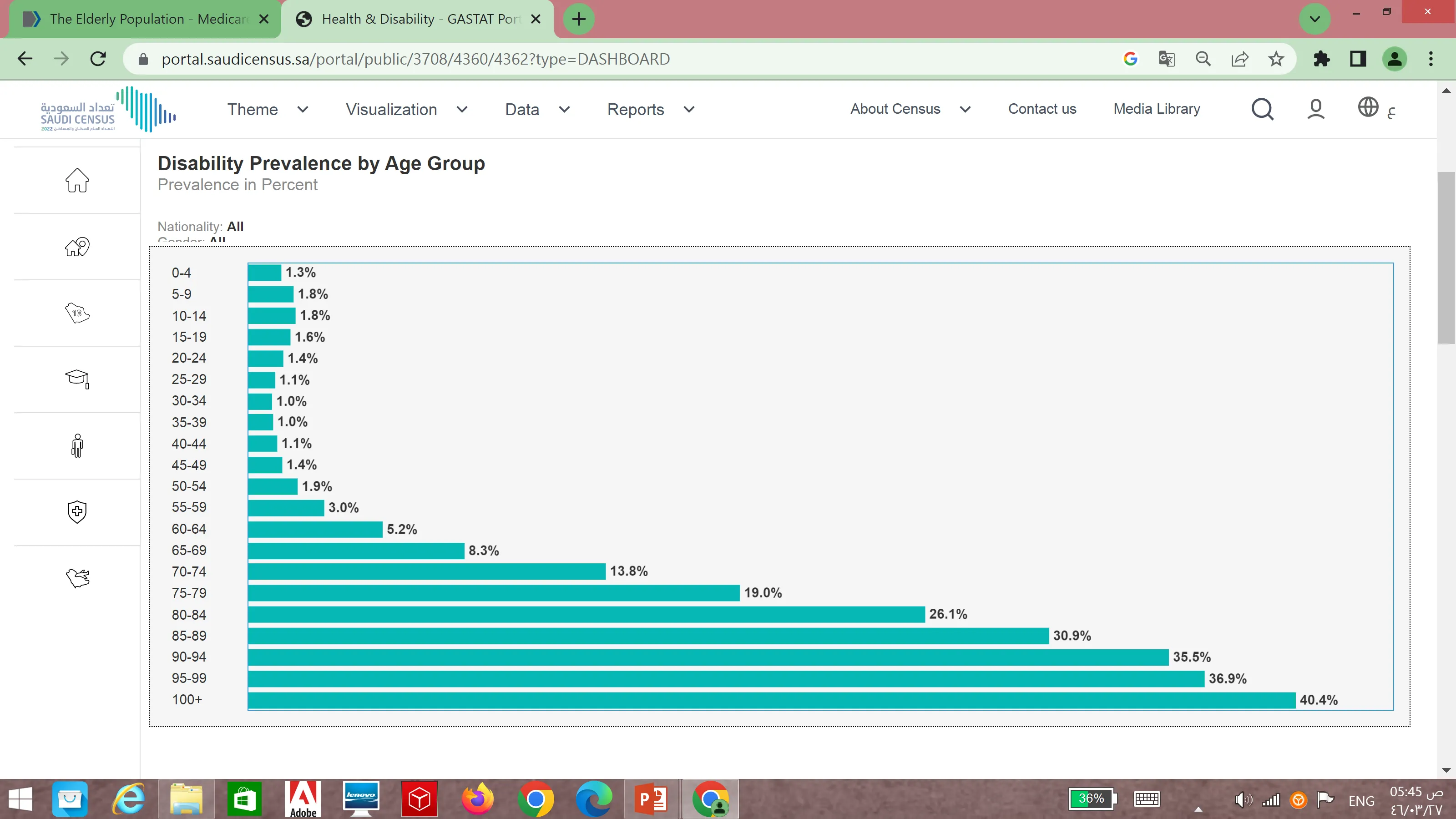
Elderly
- WHO
- UN
- Saudi Arabia
Geriatric Care
Some Facts About Aging
- Chronologic age is not an accurate predictor of physical condition or behavior.
- Poor health in later life is not inevitable.
- The rate of physiologic decline can be modified.
- A lot of the illnesses and disabilities associated with aging is related to modifiable lifestyle factors that are present in middle age.
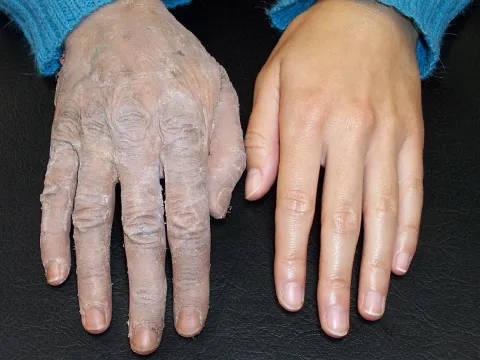
Physiological Changes Among Elderly Y
Cardiovascular
- Valves calcium deposits
- Pacemaker cell loss (SA node) Fibrous tissue/fat deposits
- Baroreceptors
- Arteries thicken/stiffen Ventricular cardiomyocytes hypertrophy
Respiratory
- Vital capacity reduced, FEV reduced
- Chest wall compliance reduced
- Reduced alveolar elasticity and reduced number of functional alveoli
- Cilia activity reduced
- Glandular cells reduced
- Lung macrophages less effective
- Cough less forceful
Renal
- Renal mass and size reduced
- Average Creatinine clearance is reduced 10ml/decade
- Renal tubular cells reduced, thickened tubular walls
- Thirst is blunted
- ↓ serum renin and aldosterone (30-50%)
- Increased prostaglandins
- Reduction of urine acidification and impairment in excreting
Hematological
- Maintains adequate function with aging
- Overall, cell counts and parameters in the peripheral blood are not significantly different from in young adult life
- EPO response to anemia in older subjects is similar to that of younger subjects
- Functional reserves are reduced with age due to a decreased bone marrow mass and an increase in fat
- Total circulating white cells counts do not change with age in healthy older people, but the function of several cell types is reduced
Gastrointestinal
- Gastric cells reduced
- Increased post prandial gastric pH
- Less effective mastication
- Decreased food clearance
- Muscle tone reduced, peristalsis reduced
- Hepatic size reduced, blood flow reduced
Endocrine
- Glucose homeostasis
- Reproductive function
- Calcium metabolism
- Adrenal function
- Thyroid function
Geriatric Care
Genitourinary
- Urinary incontinence
- Urinary tract infection
- Erectile dysfunction
- Dyspareunia
- Decrease in detrusor muscle contractility
- Decrease in maximum bladder capacity
- Decrease ability to withhold voiding
- An increase in postvoid residual
Musculoskeletal
- Loss of muscle is greater and faster from the legs than from the arms
- Activity may decrease rate of decline
- The loss of muscle contributes to age-related changes in body composition, and distribution for water soluble drugs
- Decrease bone density
- Increase liability to fracture
Common Medical Problems Among Elderly
- Arthritis
- Hypertensive Disease
- Heart Disease
- Hearing Impairments
- Musculoskeletal impairments
- Chronic kidney disease
- Diabetes
- Visual Impairments
- Cancer
- Depression
- Sleep disorder
- Neurological problems
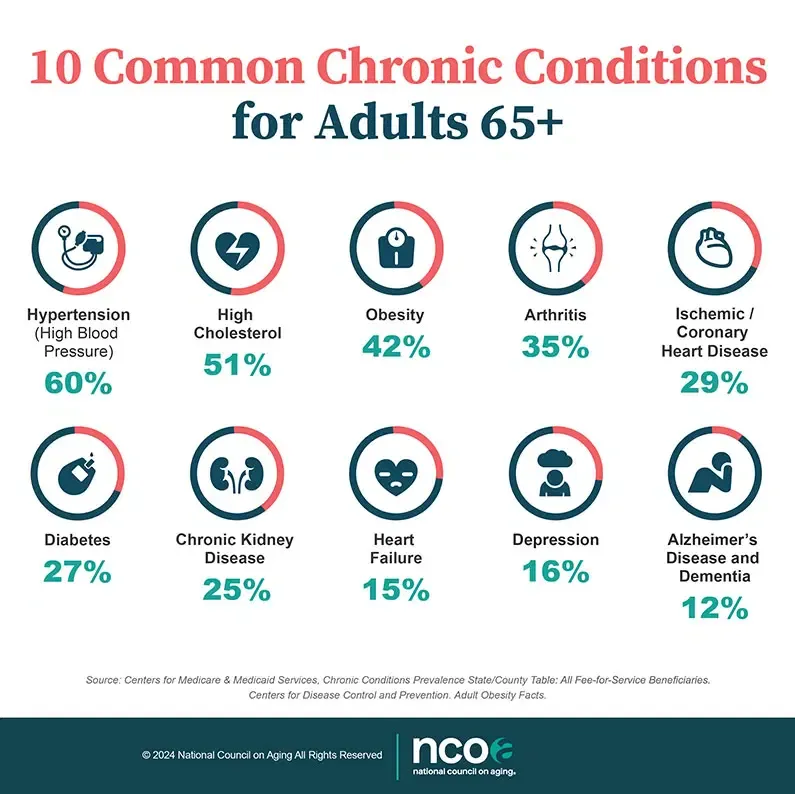
10 Common Chronic Conditions for Adults 65+
- Hypertension (High Blood Pressure) - 60%
- High Cholesterol - 51%
- Obesity - 42%
- Arthritis - 35%
- Ischemic / Coronary Heart Disease - 29%
- Diabetes - 27%
- Chronic Kidney Disease - 25%
- Heart Failure - 15%
- Depression - 16%
- Alzheimer’s Disease and Dementia - 12%
Geriatric Care
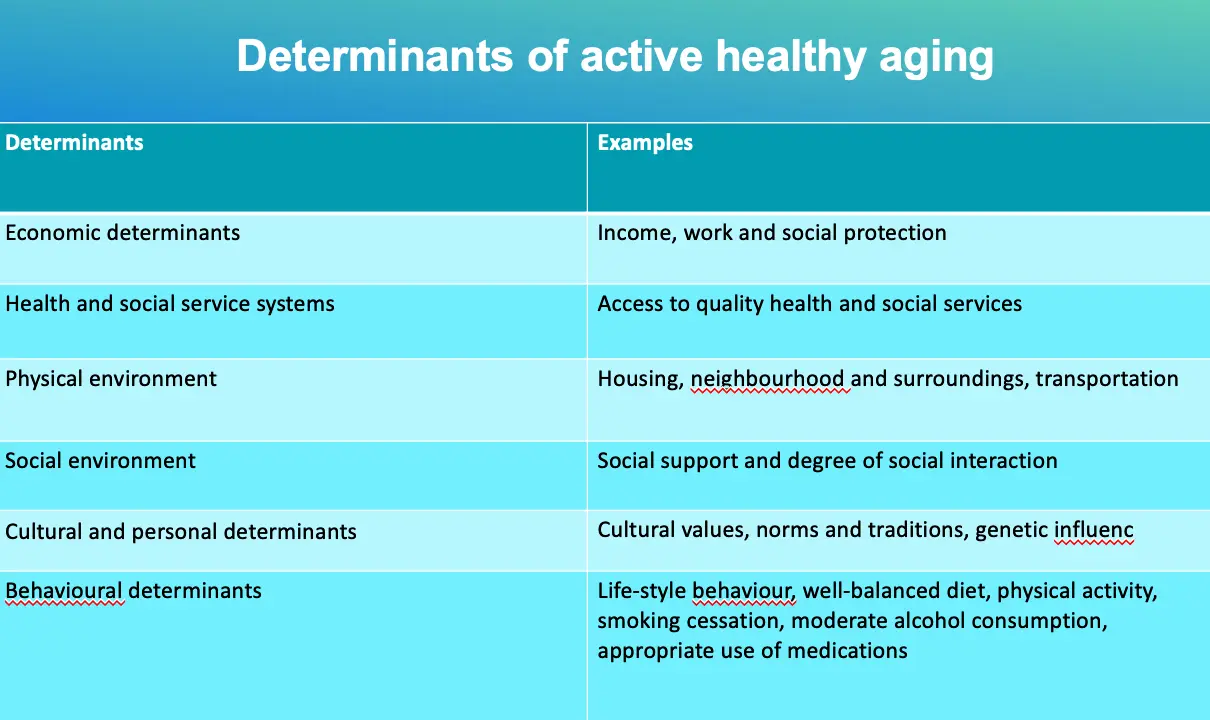
Determinants of Active Healthy Aging
-
Examples
- Income, work and social protection
- Access to quality health and social services
- Housing, neighbourhood and surroundings, transportation
- Social support and degree of social interaction
- Cultural values, norms and traditions, genetic influence
- Life-style behaviour, well-balanced diet, physical activity, smoking cessation, moderate alcohol consumption, appropriate use of medications
-
Determinants
- Economic determinants
- Health and social service systems
- Physical environment
- Social environment
- Cultural and personal determinants
- Behavioural determinants
Immunization Z
- COVID-19
- Seasonal Flu (Influenza)
- Pneumonia (pneumococcal) every 3yrs
- Tetanus, diphtheria, pertussis (Tdap or Td)
- Shingles (Zoster)
- Others
Domains Where the Health Sector Can Promote Good Health Y
- Better prescription and adherence to medical plans for older patients
- Personalized health management, starting with a Falls Prevention Initiative
- Prevention and early diagnosis of frailty and functional decline, both physical and cognitive, in older people
- Replicating and tutoring integrated care for chronic diseases, including remote monitoring at regional level
- Development of interoperable independent living solutions, including guidelines for business models
- Social Innovation for age-friendly buildings, cities and environment