Optics
Refractive Errors
Dr. Waleed AlRashed
Optics
Reflection vs Refraction
Reflection
- The pathway of light described as straight-line rays
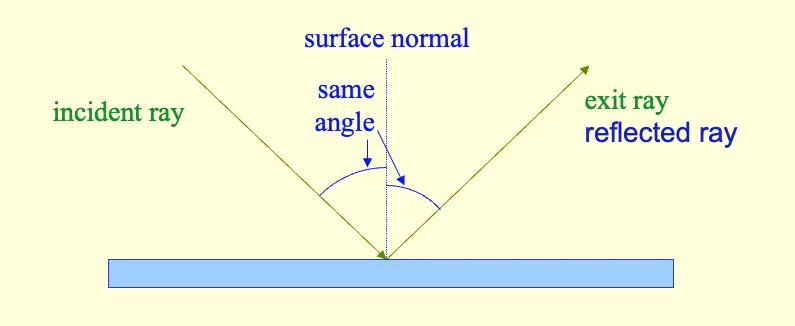
- Reflection off a flat surface follows a simple rule:
- Angle in (incidence) equals angle out (reflection)
- Angles measured from surface normal (perpendicular)
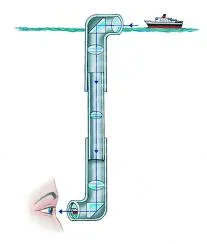
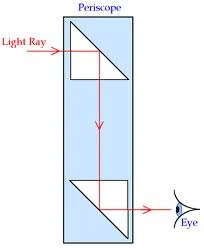
Usage of Flat Mirrors
- Regular mirrors
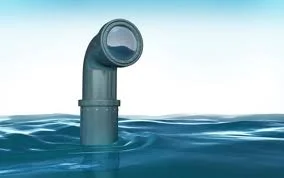
- Periscope
Convex Mirrors
-
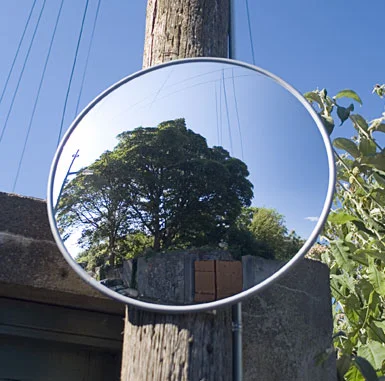
Curves outward
-
Reduces images
-
Virtual images
-
Use: Rear view mirrors, store security…
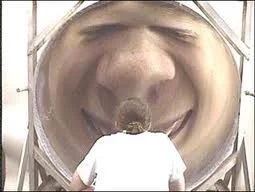
CAUTION! Objects are closer than they appear!
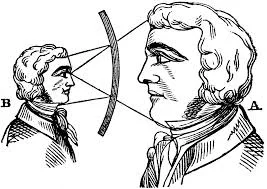
Usage of Concave Mirrors
Refraction
- Light also goes through some transparent media
- Glass, water, eyeball vitreous jell, lens, air
- The light slowing factor is called the index of refraction
- Glass has n = 1.52, meaning that light travels about 1.5 times slower in glass than in vacuum
- Water has n = 1.33
- Air has n = 1.00028
- Vacuum is n = 1.00000 (speed of light at full capacity)
Refraction at a Plane Surface
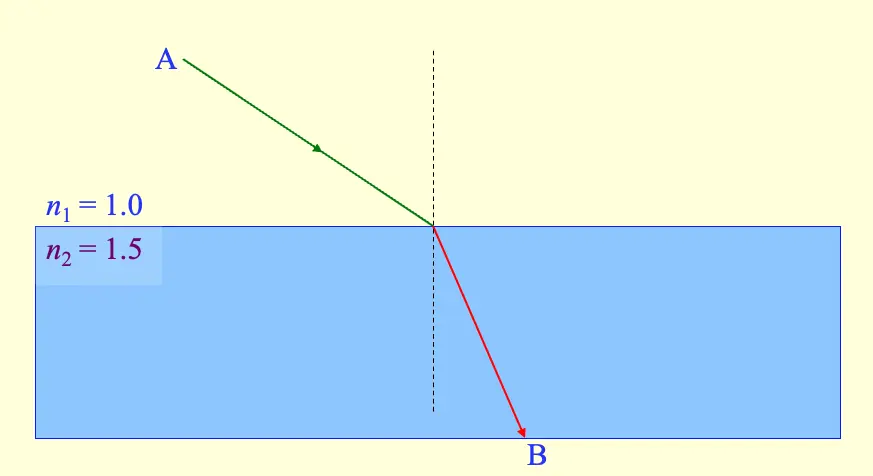
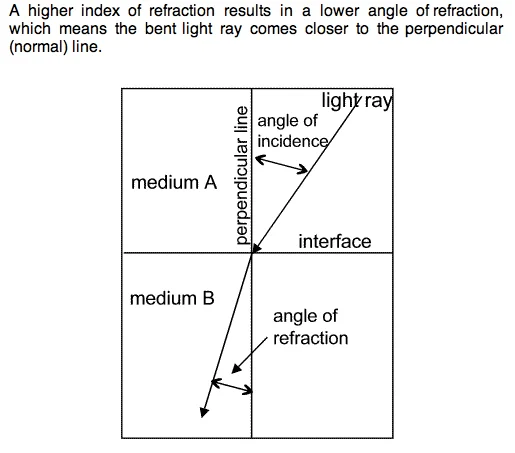
- Light bends at interface between refractive indices
- Bends more the larger the difference in refractive index
Convex Lenses
- Thicker in the center than edges.
- Lens that converges (brings together) light rays.
- Forms real images
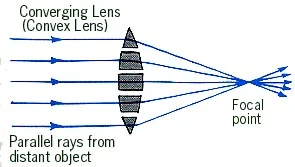
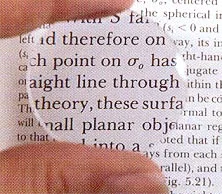
The Magnifier
Concave Lenses
- Lenses that are thicker at the edges and thinner in the center.
- Diverges light rays
- All images are erect and reduced.
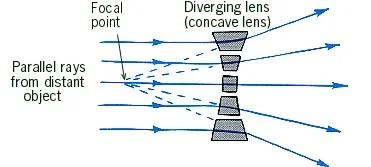
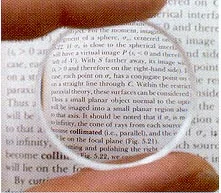
The De-Magnifier
The Refraction of the Eye
-
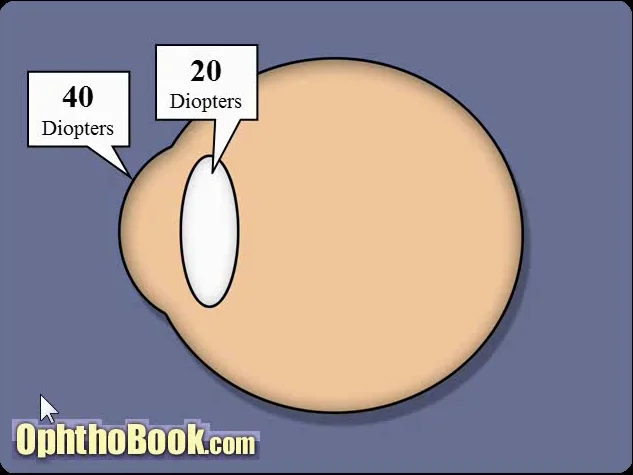
Anterior corneal surface produces most of the eye’s refracting power ≈ 40 Diopter. 65%
-
Aqueous, lens + vitreous provide the remaining ≈ 20 Diopter. 35%
Ophthalmology Diagram
- 40 Diopters
- 20 Diopters
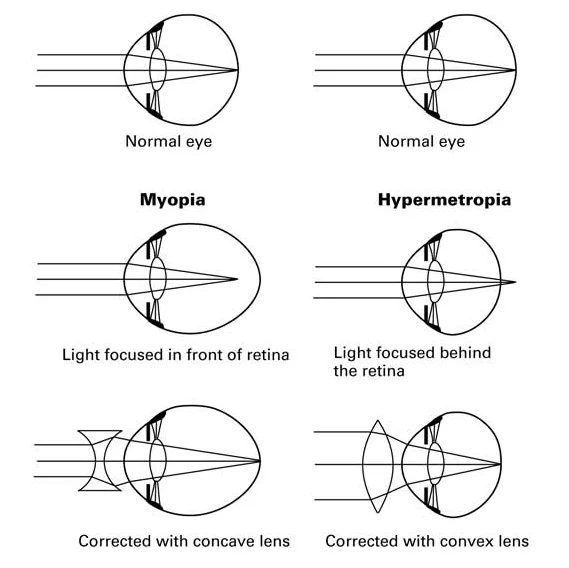
Eye Conditions and Corrections
Clinical Features
- Myopic patients usually have problems seeing at distance.
- The vision at near is normal.
Visual Acuity (V.A.)
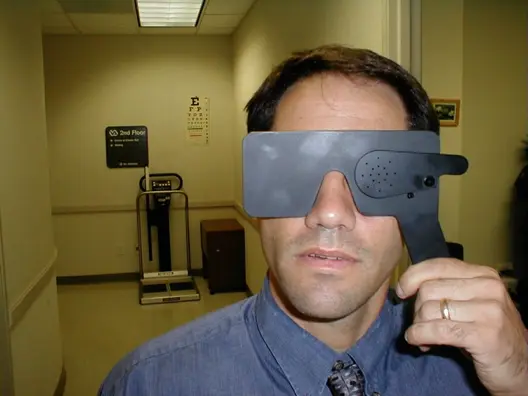
- V.A. improves with pinhole in patients with refractive errors.
- Myopes squeeze their eyes to see clearly.
ACCOMMODATION
- Flexible mechanism by which the eye can change its ref. power.
- Contracture of ciliary muscle relaxation of the zonules more biconvex state of the lens.
- Loss or reduction in this mechanism result in Presbyopia
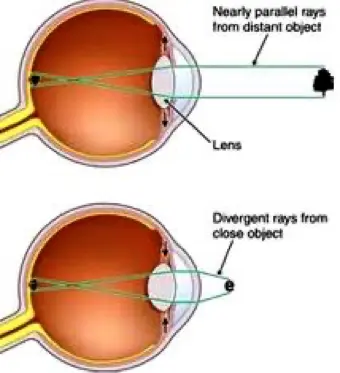
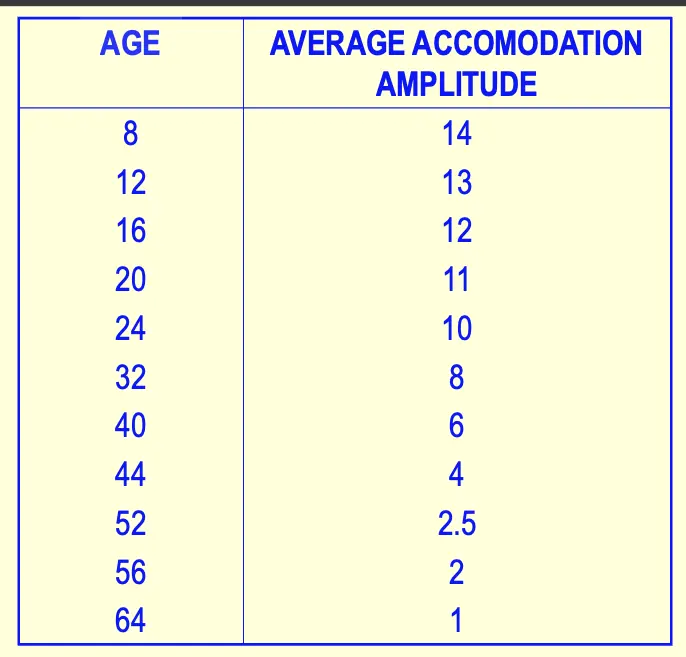
A 50 y- old man started to have difficulty in reading. VA 20 /20 for distance.
PRESBYOPIA.
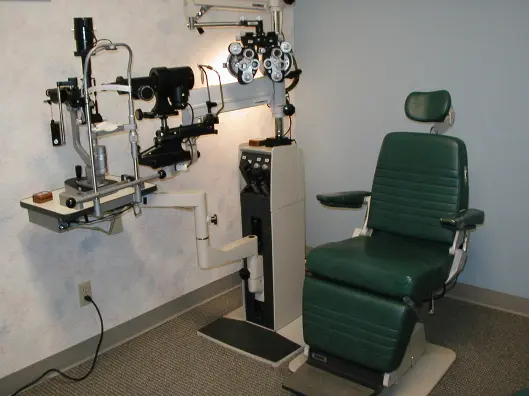
Slit lamp
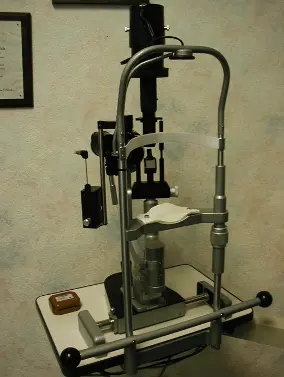
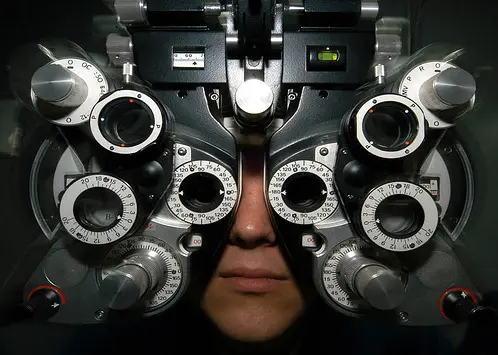
Phoropter
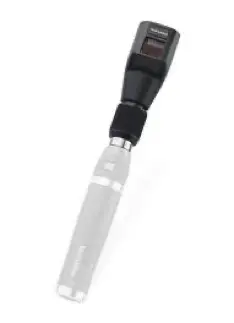
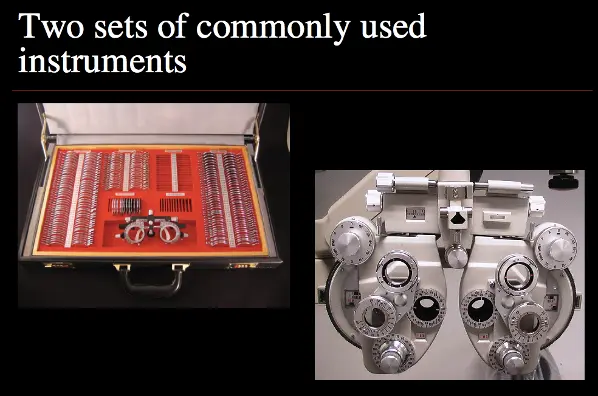
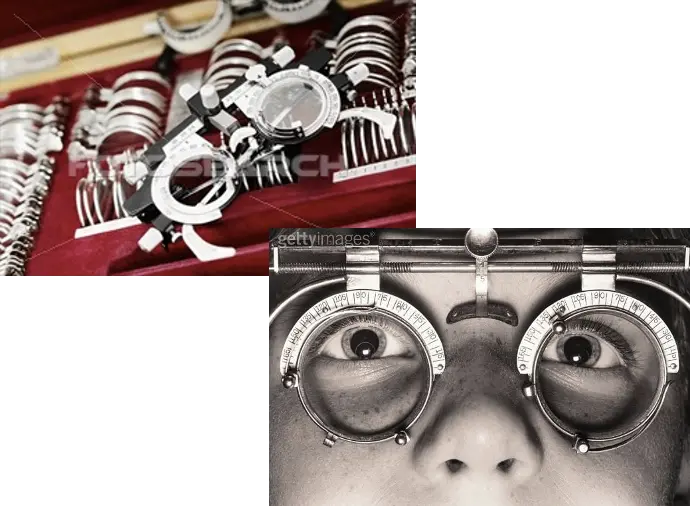
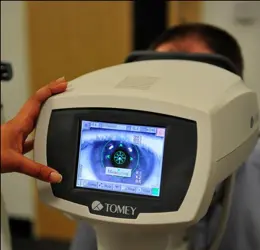

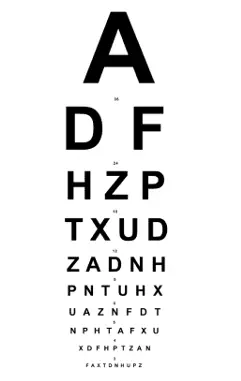
The visual acuity test measures the smallest letters that patient can read on a standardized chart at a distance of 20 feet or 6 meters.
- Snellen chart :
- 20/ 20
- 20/ 40
- 20/100
- V.A which improve with pinhole refractive error
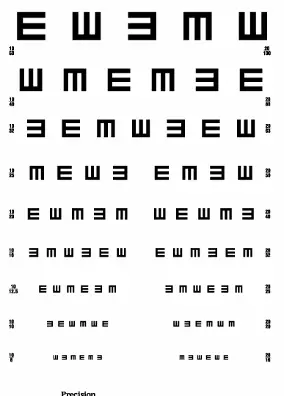
Tumbling E Chart Optotype
Snellen Chart Optotype
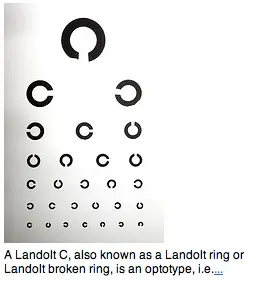
Landolt ring Chart Optotype
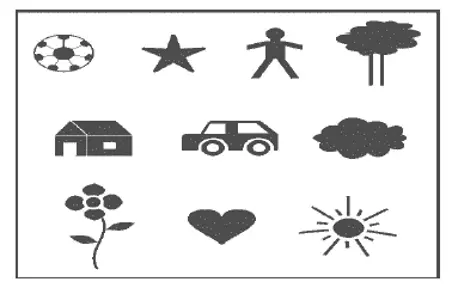
Picture Chart Optotype
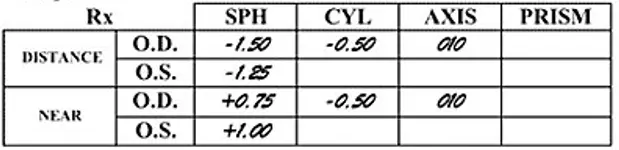
Spectacle prescription
-
VA (visual acuity)
-
OD (oculus dexter):right eye
-
OS (oculus sinister):left eye
-
OU (oculus uterque):both eyes
-
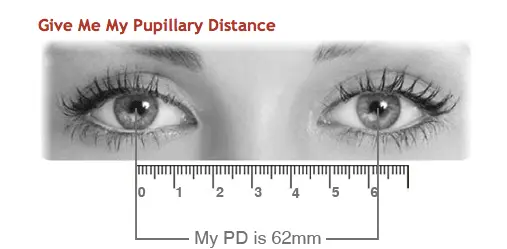
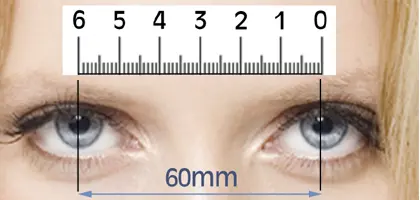
IPD=PD(inter-pupillary distance =pupillary distance)
Glass or spectacle prescription