Intraosseous access
Dr Abdulaziz Alrabiah, MD
Overview
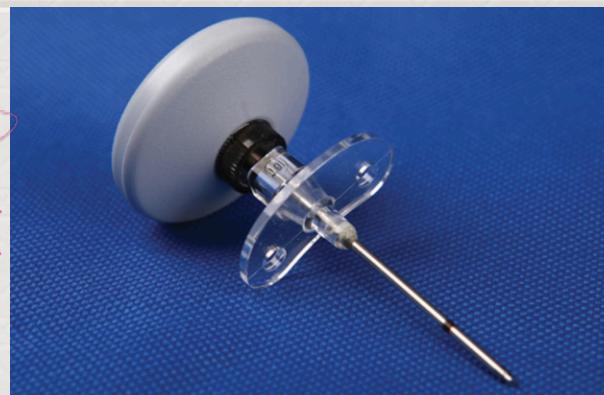
- can be done using manual or drill-inserted devices
- into medullary space
- useful when vascular access is difficult to obtained
Devices
-
Manual
-
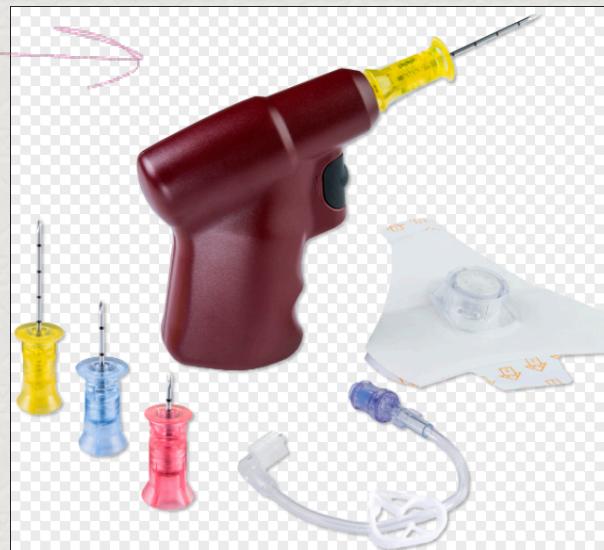
drill device (i.e. EZ IO)
* gun
- Can go clockwise
- or anticlockwise
- until puncture
- bone marrow
Indications
-
Failure to gain intravenous access in a trauma, burns, shock or resuscitation setting
- take blood
- give fluid or blood
- or antibiotic
-
A temporising measure to allow stabilisation and facilitation of definitive, long-term intravenous access
- easy access
- target bone marrow
- done for all age
- temporary measure
contraindications
- Use on side of definite fractured bones (compartment syndrome risk)
- Use on limbs with possible proximal fractures
- Sites of previous attempts → if fair go to another site
- Overlying site infection
- Osteogenesis imperfecta
- Osteopetrosis (fracture risk) . burn
sites of insertion
-
Proximal humerus-
- one cm above the surgical neck is the insertion site
-
proximal Tibia most Common
- 2 finger breadths below the patella and 1-2cm medial to the tibial tuberosity in adults
-
Distal tibia
- 3cm above medial malleolus
-
Femoral
- anterolateral surface, 3cm above lateral condyle
-
iliac crest
-
sternum
Method of insertion
• https://www.youtube.com/watch?v=UXVDx26N9Zk
Complications
- pain of infusion (use 2% lidocaine)
- Osteomyelitis (rare)
- Fracture
- Necrosis of epiphyseal plate
- Extravasation
- Compartment syndrome
- Failure
- Injury to others
Advantages
- quick
- cheap
- multiple sites
- less training required
- less infection risk
- less pain at insertion
- any medication and fluid can be given
- blood sample for lab test
Lab analysis
- IO samples show a good correlation with venous samples for:
- Hemoglobin / hematocrit
- Chloride
- Glucose
- Urea
- Creatinine
- Albumin
IO samples poorly correlate with venous samples for:
- WBCs
- Platelets
- Serum
- Sodium
- Potassium
- Calcium