Instrumental Delivery
Overview

Author Information
By dr. Mona Ahmed
LEARNING OUTCOMES
When you have completed this tutorial you will be able to:
- decide when an instrumental delivery is needed
- decide which instrument is appropriate
- appreciate the techniques required for vacuum and forceps delivery
- recognise the complications associated with instrumental delivery
- know when to abandon the procedure.
KEY LEARNING POINTS
- OVD should be classified according to the position and station of the presenting part.
- Clinical assessment and confirmation that the safety criteria have been met are prerequisites for OVD.
- Vacuum or forceps may be suitable depending on the clinical circumstances and operator’s preference.
- OVDs with a higher chance of failure should be conducted in an operating theatre.
- Contingency planning is an essential part of any OVD.
- Anticipation and early management of maternal and neonatal complications is essential.
- Caesarean
Obstetric Instruments
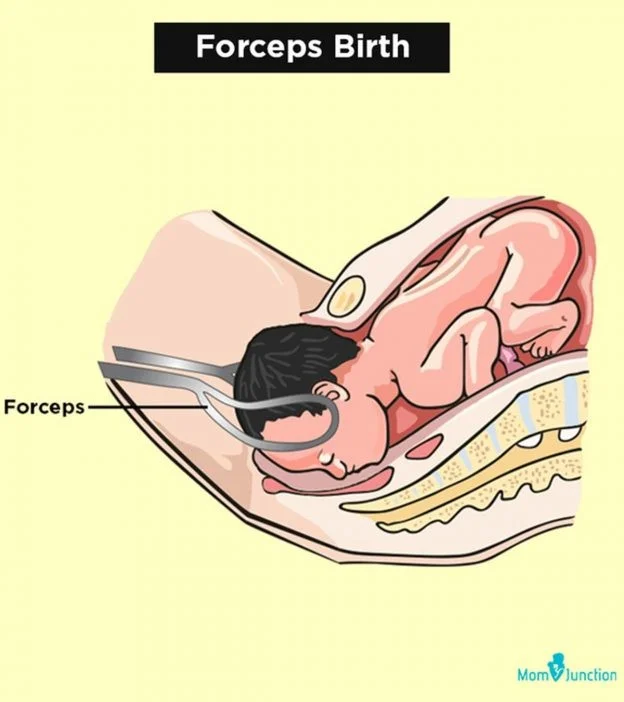
- Obstetric forceps.

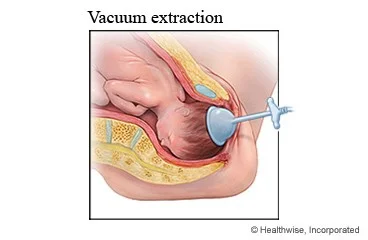
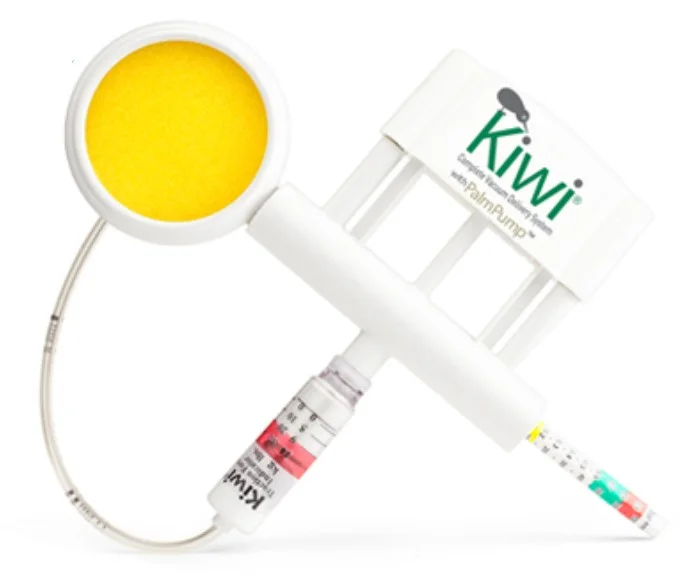
- Obstetric vacuum.
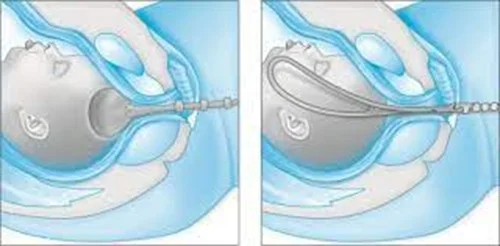
Choice of Instruments
-
Conditions where ventouse would be
- Urgent low lift-out delivery.
- Rotational delivery.
- Operator or maternal preference.
-
Conditions where forceps would be preferred to ventouse
- Poor maternal effort.
- Operator or maternal preference.
- Large caput.
- Gestation of less than 34 weeks (at 34–36 weeks of gestation, ventouse is relatively contraindicated).
- After-coming head of the breech
1. Obstetric Forceps
Definition:
- An instrument to offer traction and/or rotation of the Fetal head when the mother’s expulsive efforts are not sufficient to accomplish a safe delivery of the fetus
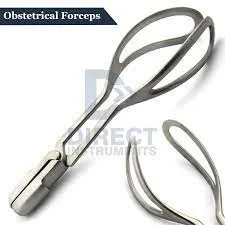

Types of Obstetric Forceps:
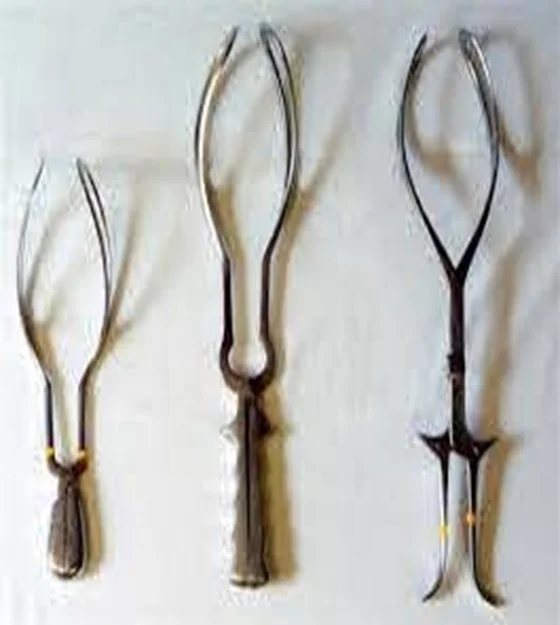
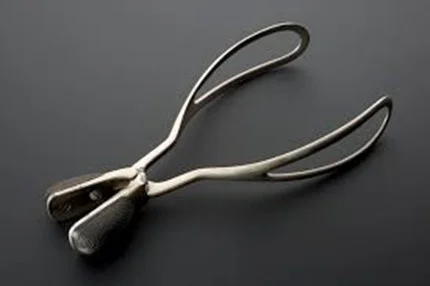
- Short curved or Wrigley’s forceps
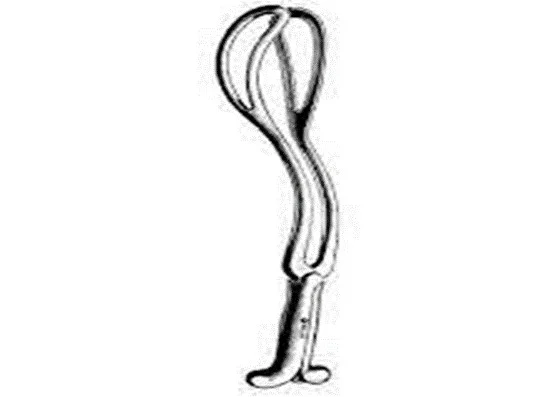
- Long curved or Simpsons forceps
- For traction only in breech vaginal delivery
- Long straight or Kiellands forceps
- For rotation and traction when the head is above 0 station.
- Piper forceps: for the after-coming head in a vaginal breech baby
Indications for Forceps Delivery
1. Maternal:
- Dangers for the mother (e.g., prophylactic forceps in heart diseases):
- Toxaemia of pregnancy (pre-eclampsia & eclampsia).
- Weakness in the abdominal wall (e.g., hernias).
- Maternal distress.
2. Fetal:
- Prophylactic forceps (Dangers for the fetus) as in the case of Cord prolapse.
- Abnormal presentations & position:
- Occipito-posterior, deep transverse arrest, face presentation & after-coming head.
- Fetal distress.
3. Prolonged 2nd Stage of Labor:
- 2 hrs in multipara or 3 hrs in primigravidae.
- Can be used in C-section to pick the head up
Pre-requests for Forceps Delivery:
- Cephalic presentation (Piper forceps for after-coming head)
- Head is engaged.
- A fully dilated cervix.
- Ruptured membranes.
- Empty bladder & rectum.
- Adequate Anaesthesia.
- Adequate pelvis.
- Episiotomy.
- Make sure you lock the device before using it.
- Experienced operator
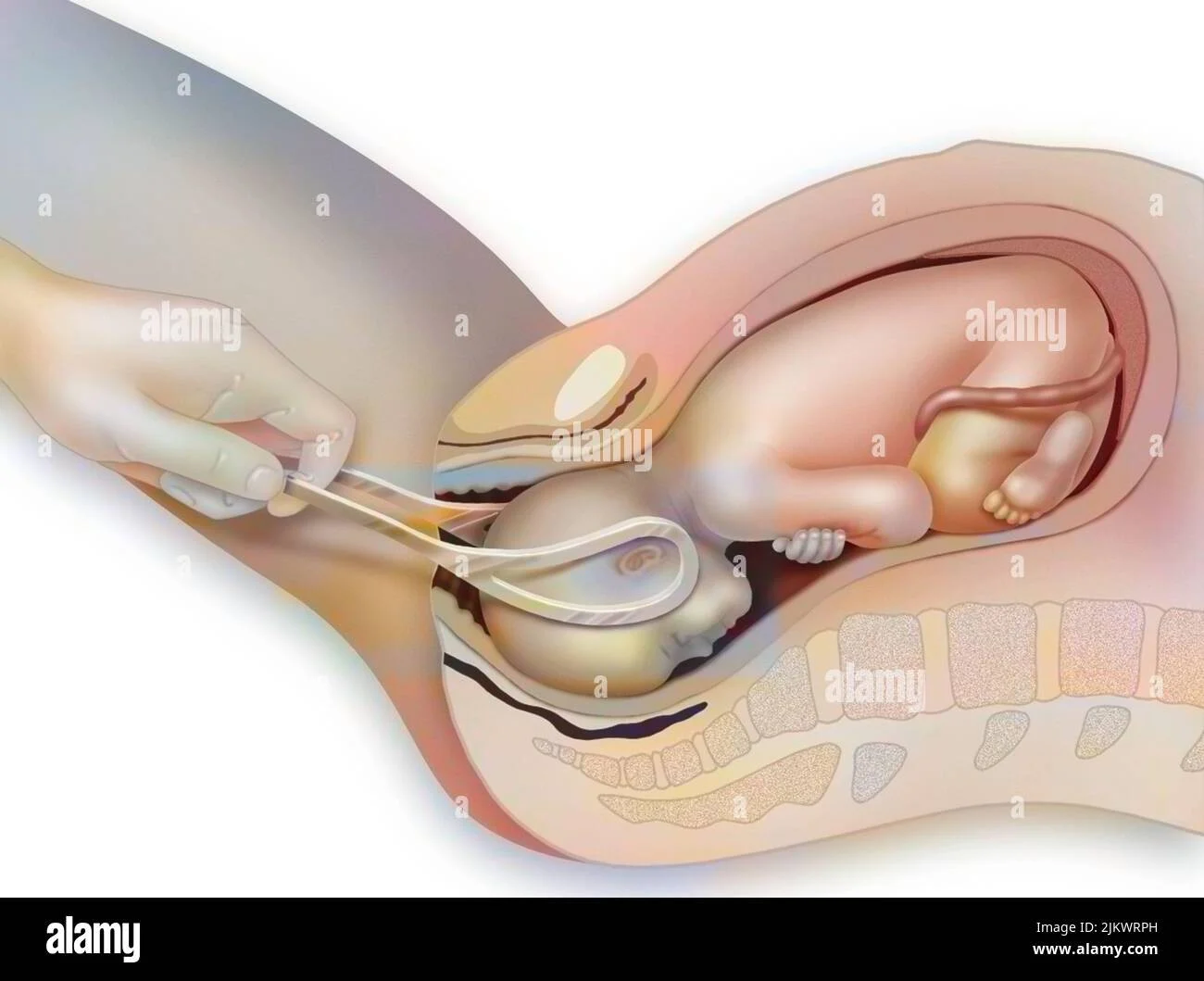
Complications of Forceps Delivery
A. Maternal:
- Traumatic lesions of the lower uterine segment, cervix, vagina & perineum.
- Sepsis.
- Obstetric shock.
- Bone injuries: Separation of the symphysis.
- Dislocation of the Sacro-iliac joint.
- Fracture of the coccyx or its dislocation.
- Post-partum haemorrhage (traumatic or atonic).
- Vesico-vaginal fistula & stress incontinence.
B. Fetal:
- Soft tissue compression
- Cranial injury due to incorrectly placed forceps
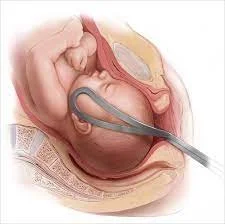

Contraindication:
- History of cephalo-pelvic disproportion
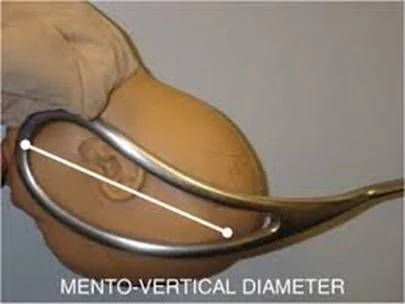
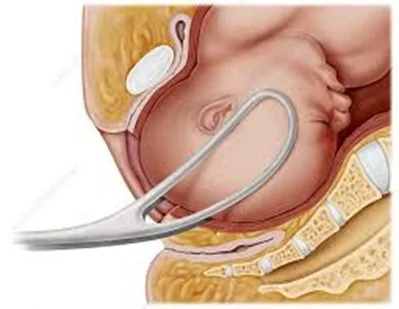
The Vacuum Extractor or Ventouse
Definition:
- A cup-like instrument held against the fetal head to aid delivery under suction.
Types:
- Metal cup ventouse
- Plastic cup ventouse
Write the type of the ventouse in the exam.
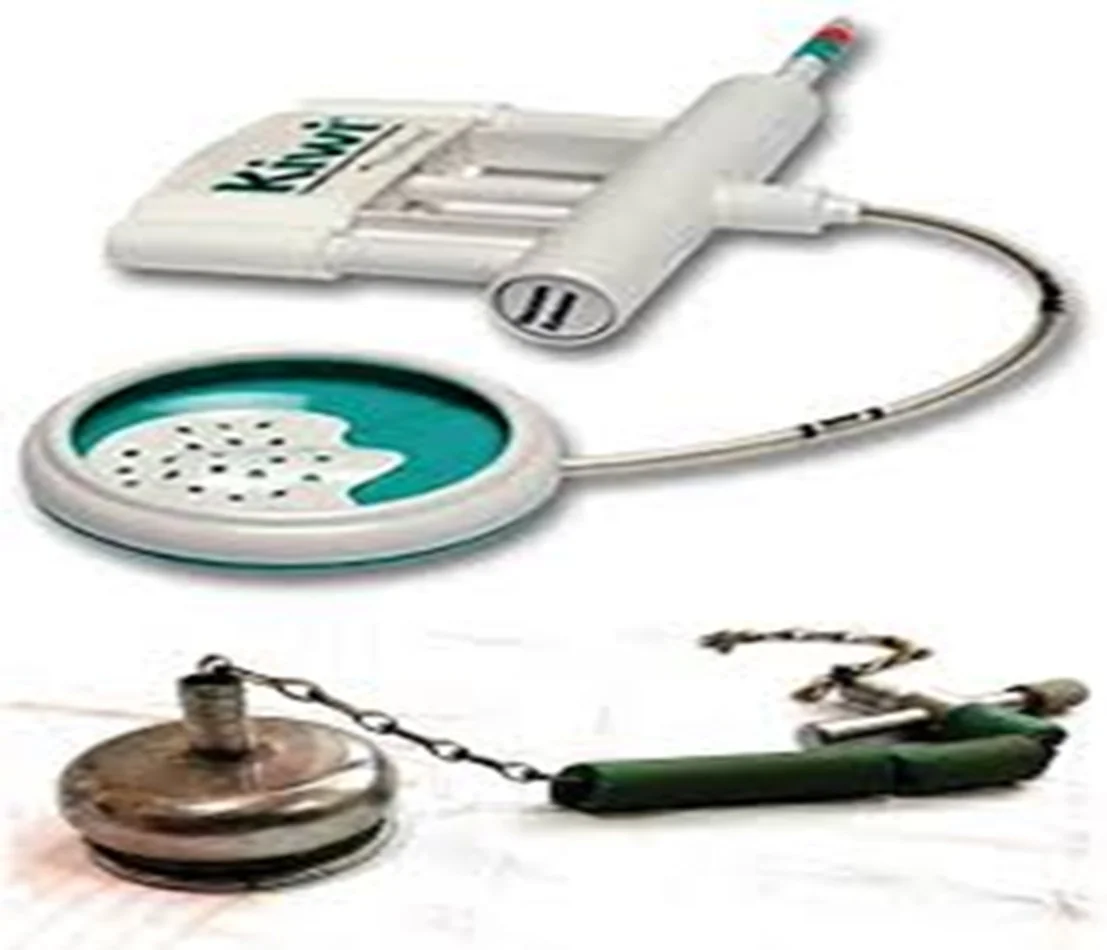
Prerequisites for Vacuum Extraction:
- Clinically adequate pelvic dimensions
- Experienced operator
- Cervix fully dilated
- Engaged Fetal head
- Gestational age greater than 34 weeks
Fetal head direction not important.
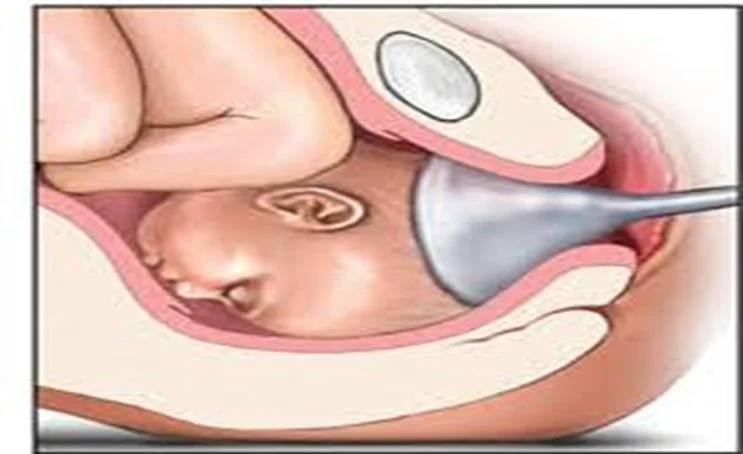
Indications for Vacuum Extraction:
All the indications of forceps delivery EXCEPT:
- Face presentation
- After-coming head in breech.
- It can be utilized to remove the head out of a lower uterine segment C-section.
Contraindications for Vacuum Extraction:
- Face, breech & transverse presentation of the after-coming head.
- Premature babies.
- Moderate or severe cephalo-pelvic disproportion
- Fetal & maternal distress that requires immediate delivery
- After three failures immediately C/S
Complications:
- Increase the risk of cervical incompetence.
- Vaginal laceration.
- Fetal skull injuries: Cephalohematoma, Intracranial haemorrhage, scalp lacerations, necrosis & alopecia.
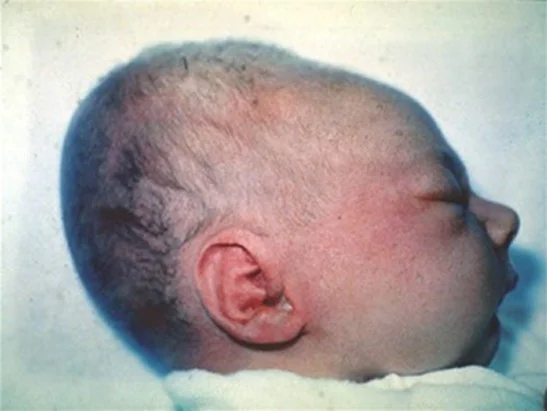 #CC vid