ACS; A simple way to an updated diagnosis & management
By
Dr Nada Abdelrahman
Associate Professor of medicine
AlMaarefa University

Lina Serhan
Learning outcome
By the end of this session, it is expected that the students will be able to

- ☐ Diagnose different types of ACS
- ☐ Outline the steps in the management of different types of ACS
- ☐ Interpret and able to manage differ ACS clinical scenarios
ESSENCE

CAD is third leading cause of mortality worldwide and is associated with 17.8 million deaths annually.

Delay in seeking medical attention is common, and more often reported in women, older adults, and those with high chronic disease burden

The management of ACS has evolved over recent years, with the development of new drugs and procedures such as percutaneous coronary intervention (PCI). we All slent Cue the problem in stenosis
ECG revision 1
A 57-year-old man presents to the Emergency Department with a 15-minute history of severe central chest pain radiating to his left arm. ECG shows T-wave inversion in leads I, V5 and V6. Which coronary artery is most likely to be affected?
Lateral left
Lt. Circullex
Quick Recap
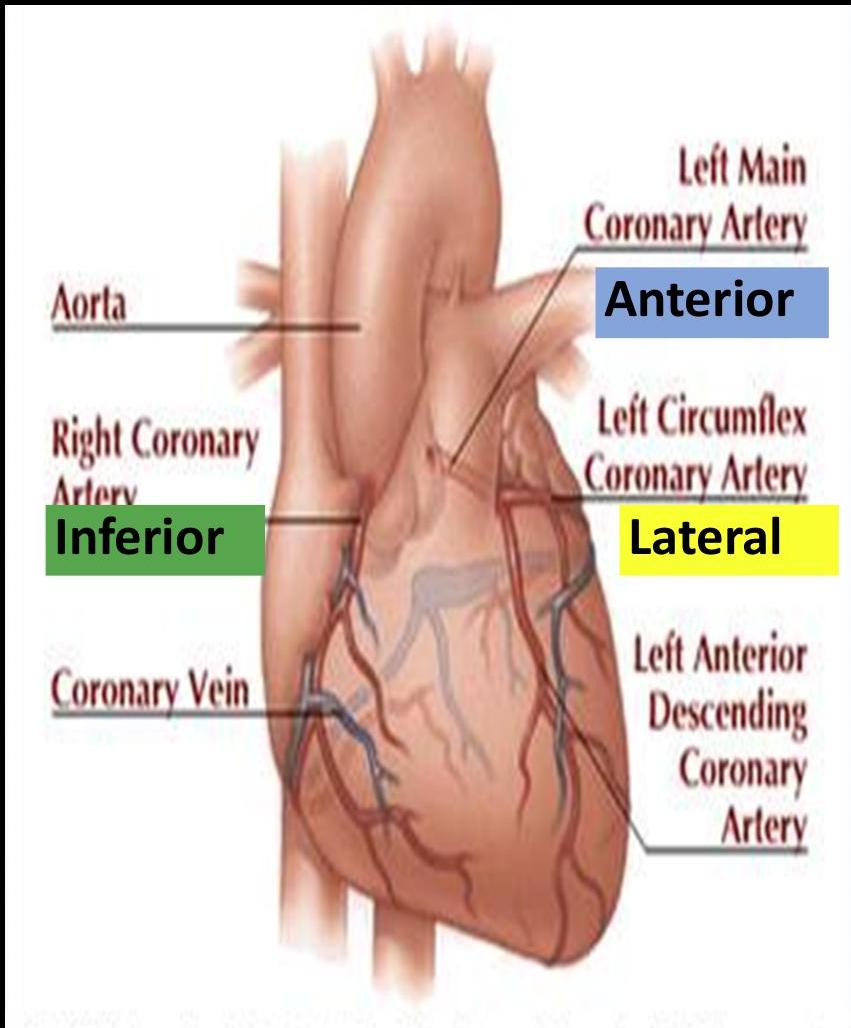
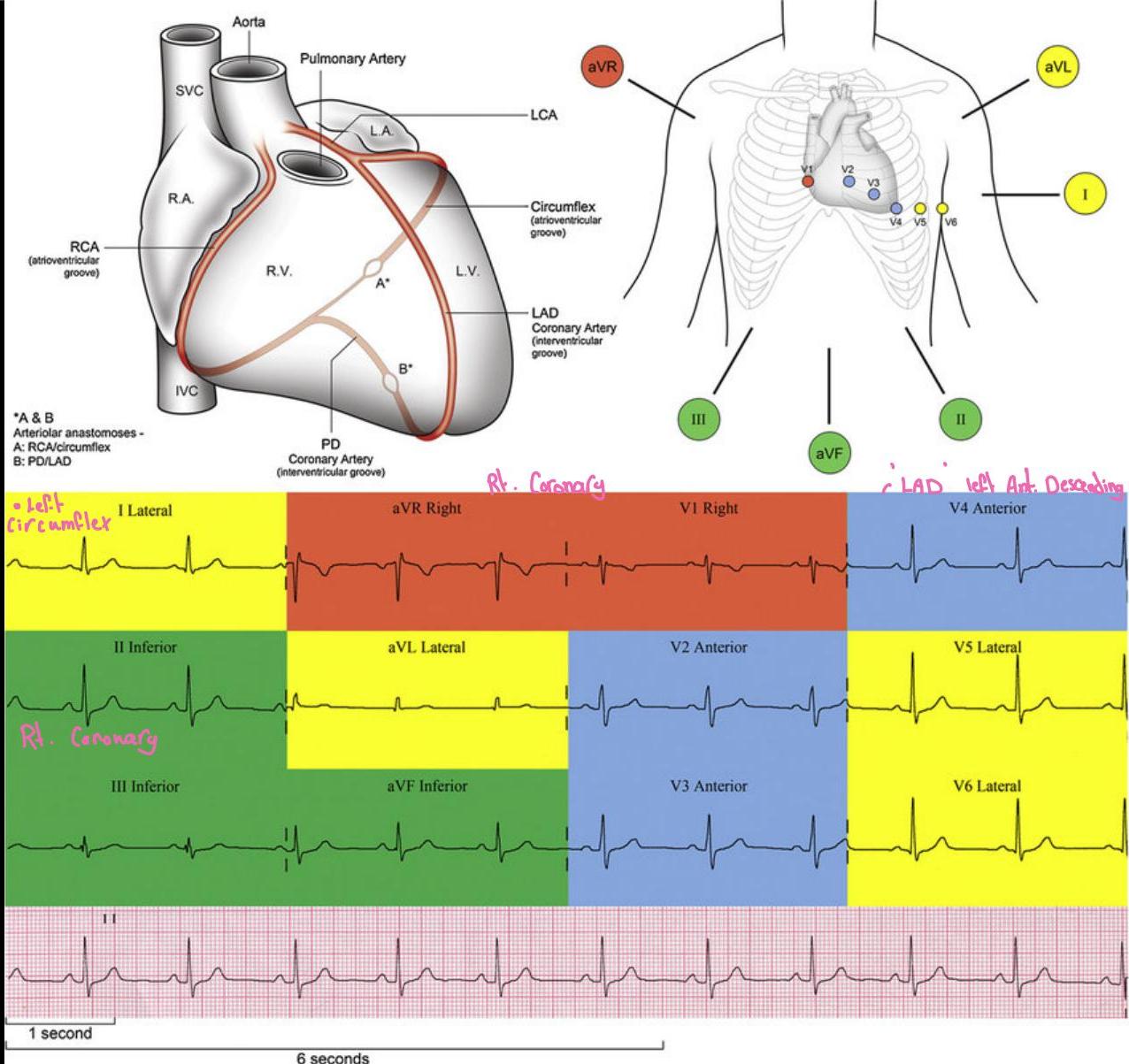
Paper running at 25mm/second Calibration: height 1cm = 1mV
ECG case 2
A 72-year-old man is admitted to the Emergency Department with chest pain. On initial assessment he is noted to be pale, have a heart rate of 40/min and a blood pressure of 90/60 mmHg. Which one of the coronary arteries is most likely to be affected? Inferior
always gives you Bradycardia
( ) supply of ventricular
Ht: Fluid
what to do !!!
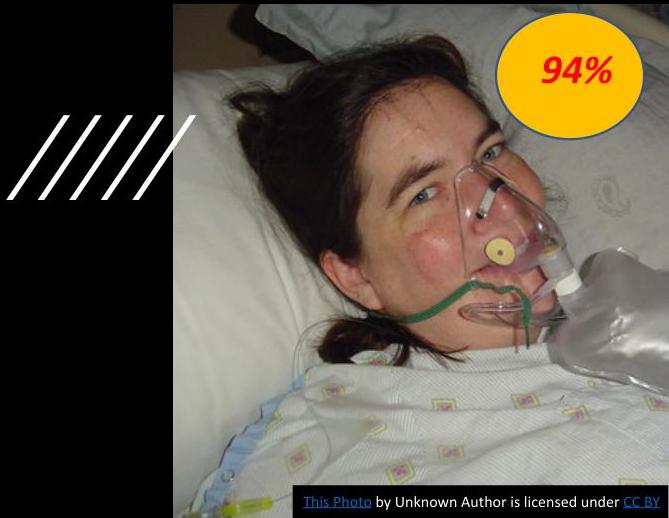
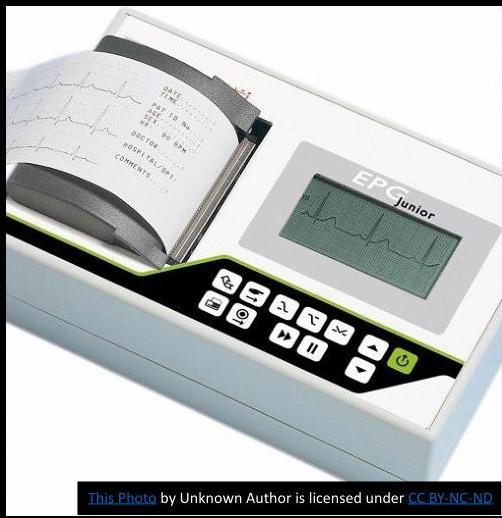
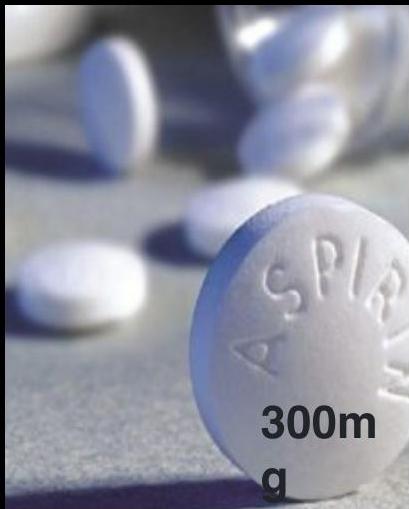
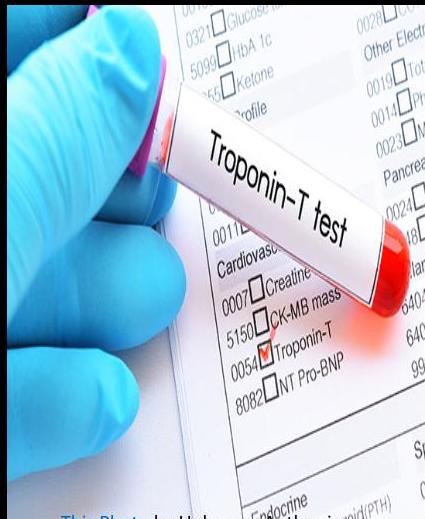
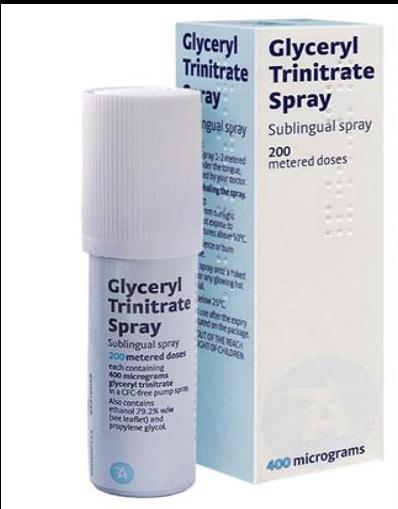
ABC add million MONA (don’t give it oxygen 947. or above ECG, troponin

This Photo by Unknown Author is licensed under CC BY-SA NC
Initial Approach
 This Photo by Unknown Author is licensed under CC BY-SA NC
 CC BY-NC
 This Photo by Unknown Author is licensed under CC BY SA
Case 3
A 79-year-old lady presents to the low-risk chest pain clinic with intermittent substernal chest pains. The pain typically comes on with exertion and improves with rest. A trial of GTN has been given by her FP which helps with her pain. She is a known ex-smoker of 30 pack-years. She has no diabetes, hyperlipidaemia, hypertension, and no family history of coronary artery disease.
On examination her observations are stable. On auscultations of her chest, her first and second heart sounds are audible with no added sounds and her lungs are clear. Anginal Pain
What is the most important investigation to pursue given her risk for coronary artery disease? non-invasive 1st CT angiography 2nd stress
ECG criteria for STEMI
New persistent (>20 minutes) in ≥ 2 contiguous leads
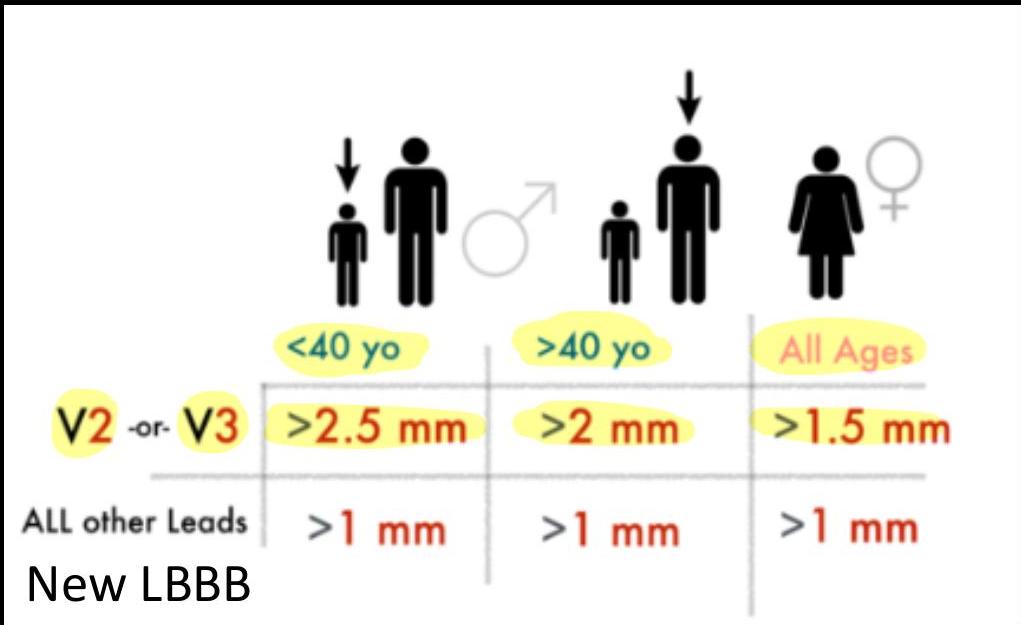


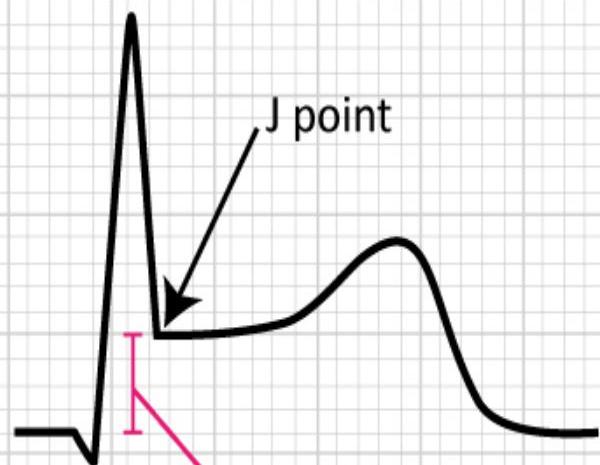 4 small boxes equals 4 mm ST elevation
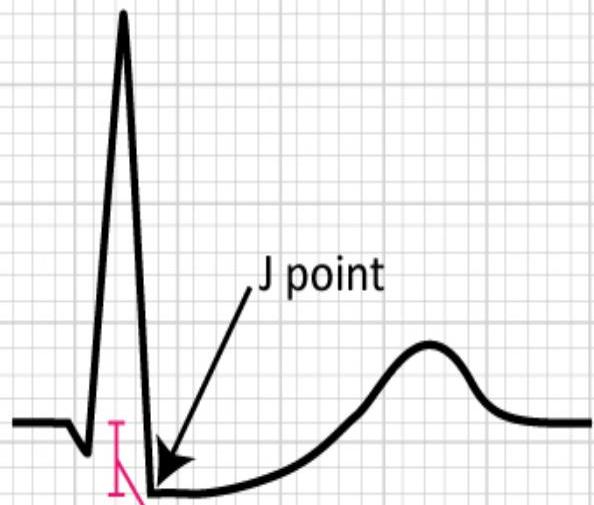 3 small boxes equals 3 mm ST depression
50 mm/s
 Figure 14. Example of measuring ST deviation (elevation and depression).
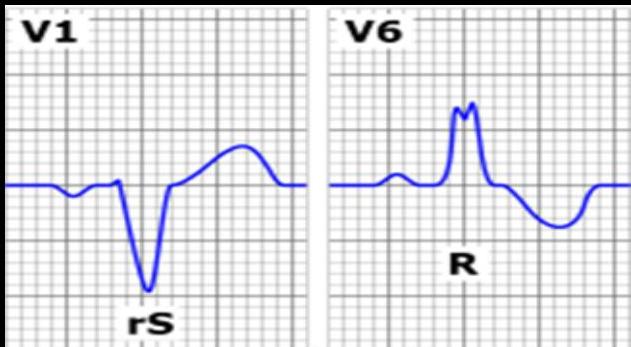
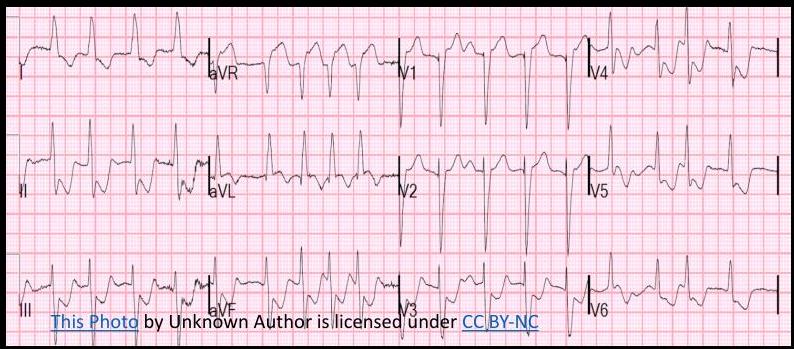
LBBB
Required PCI or Hrombolytic therapy
WiLLiaM MaRRoW
LBBB there is a ‘W’ in V1 and
a ‘M’ in V6
in RBBB in V1
Brand QR Shred
A
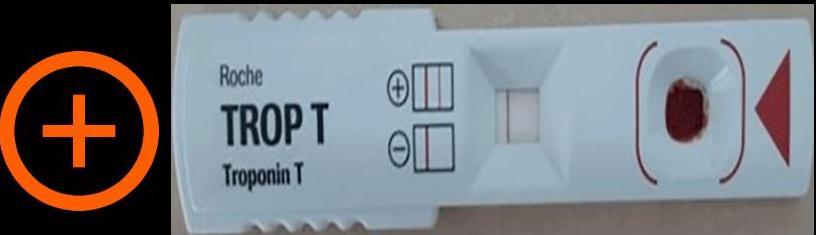
Cardiac markers
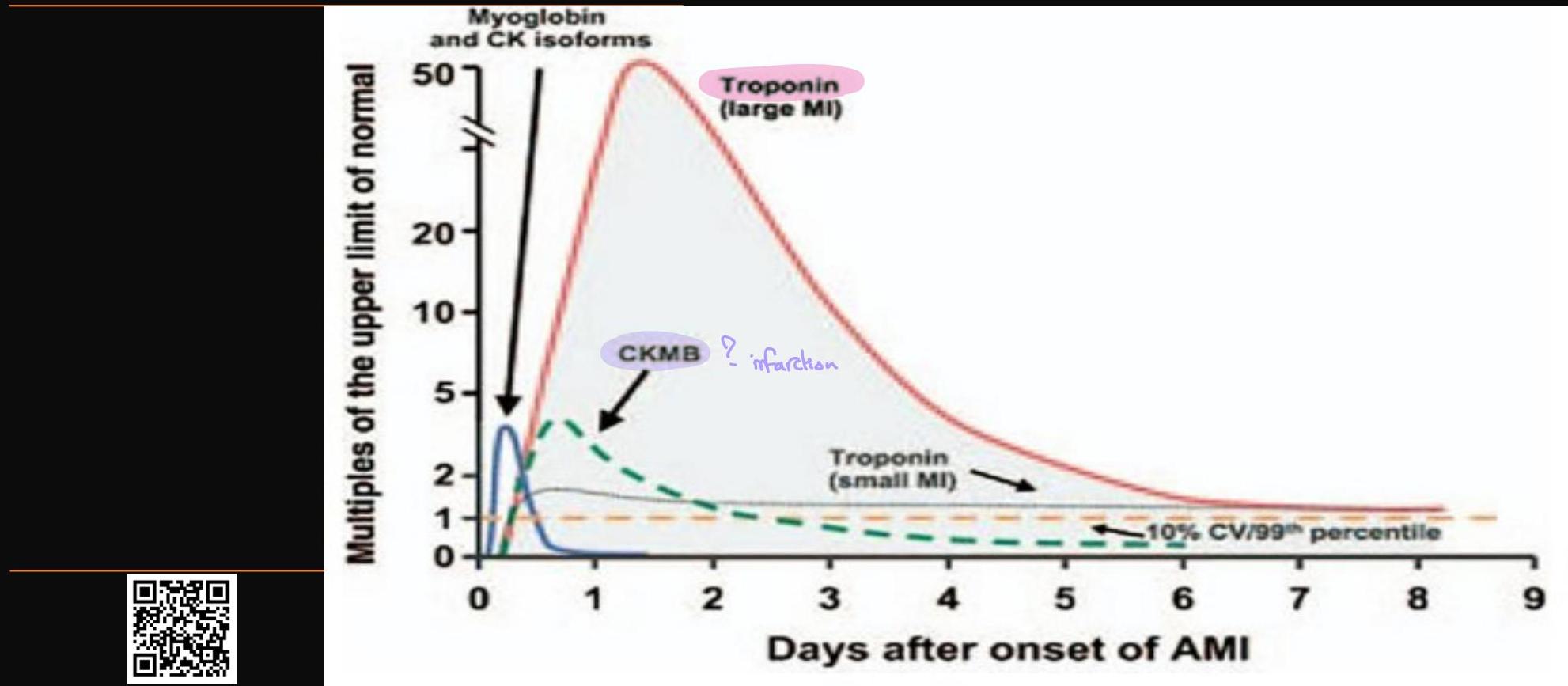
Acute coronary syndrome






Acute coronary syndrome
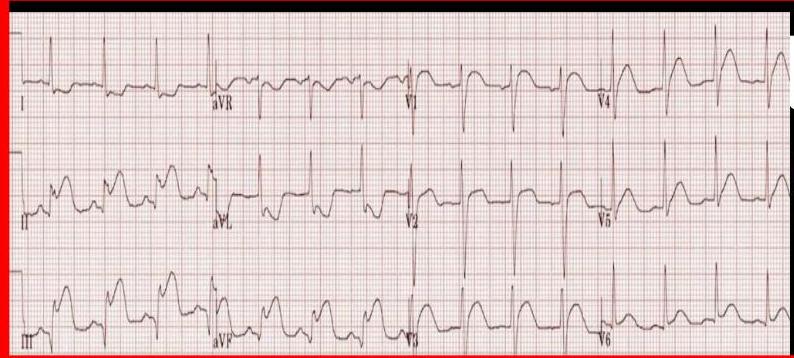


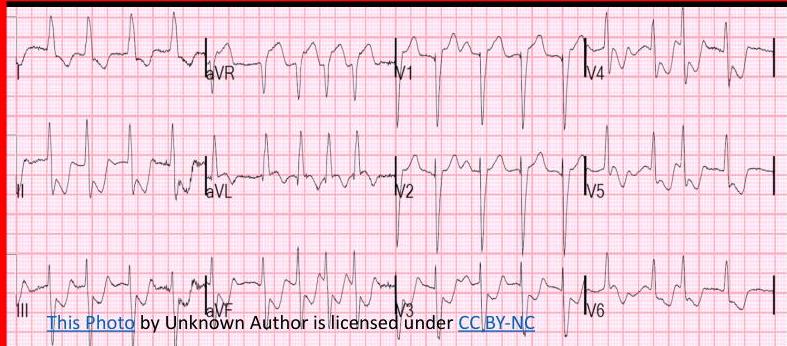


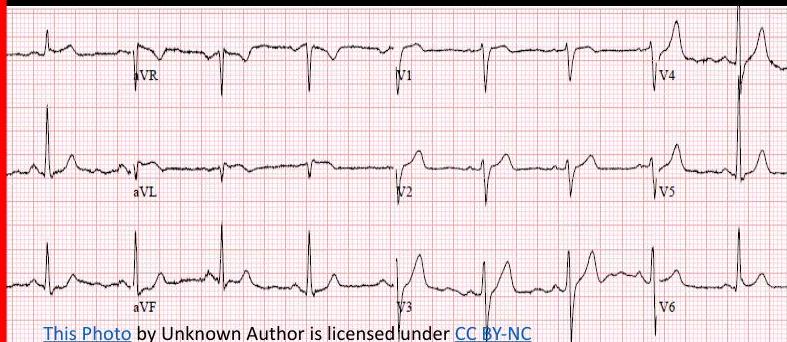

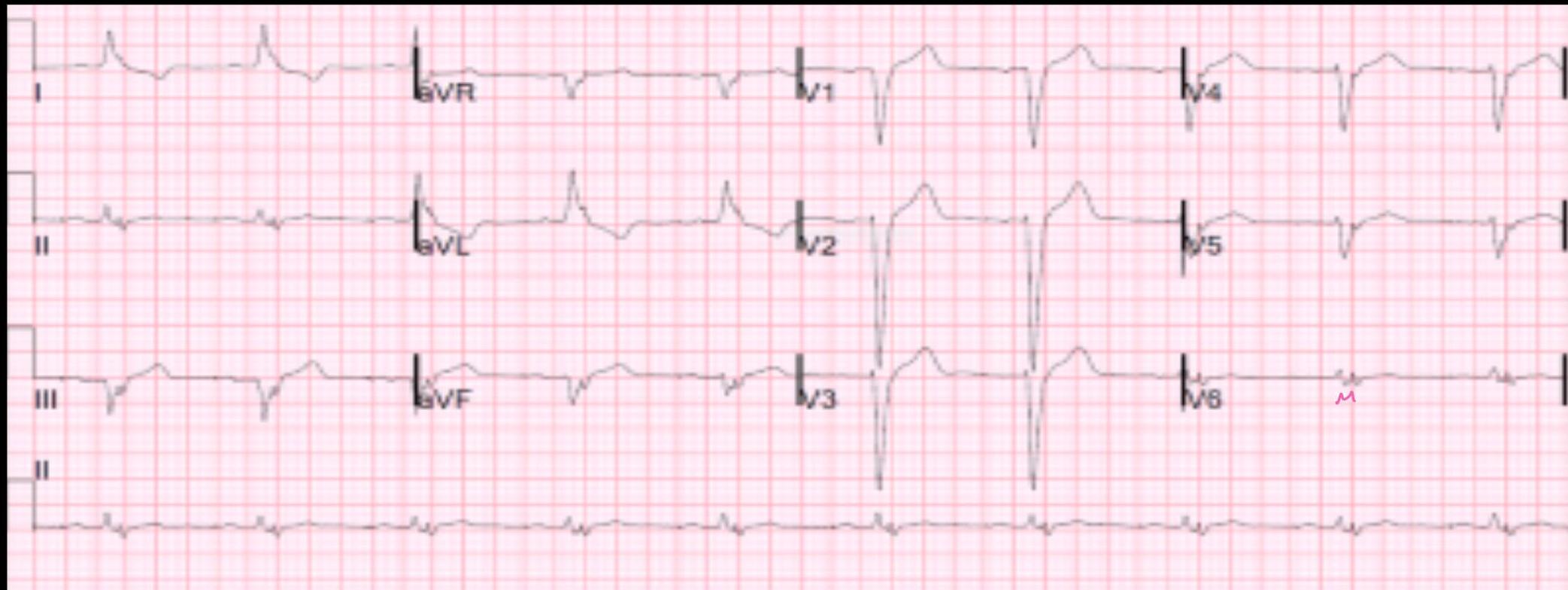
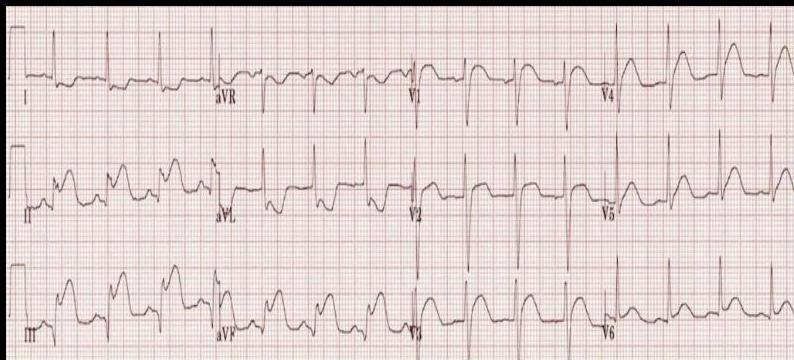
ECG shows in STEMI, ST elevation in V1-5. Deep QS waves in V2-V4, and small Q waves in V5 and V6.

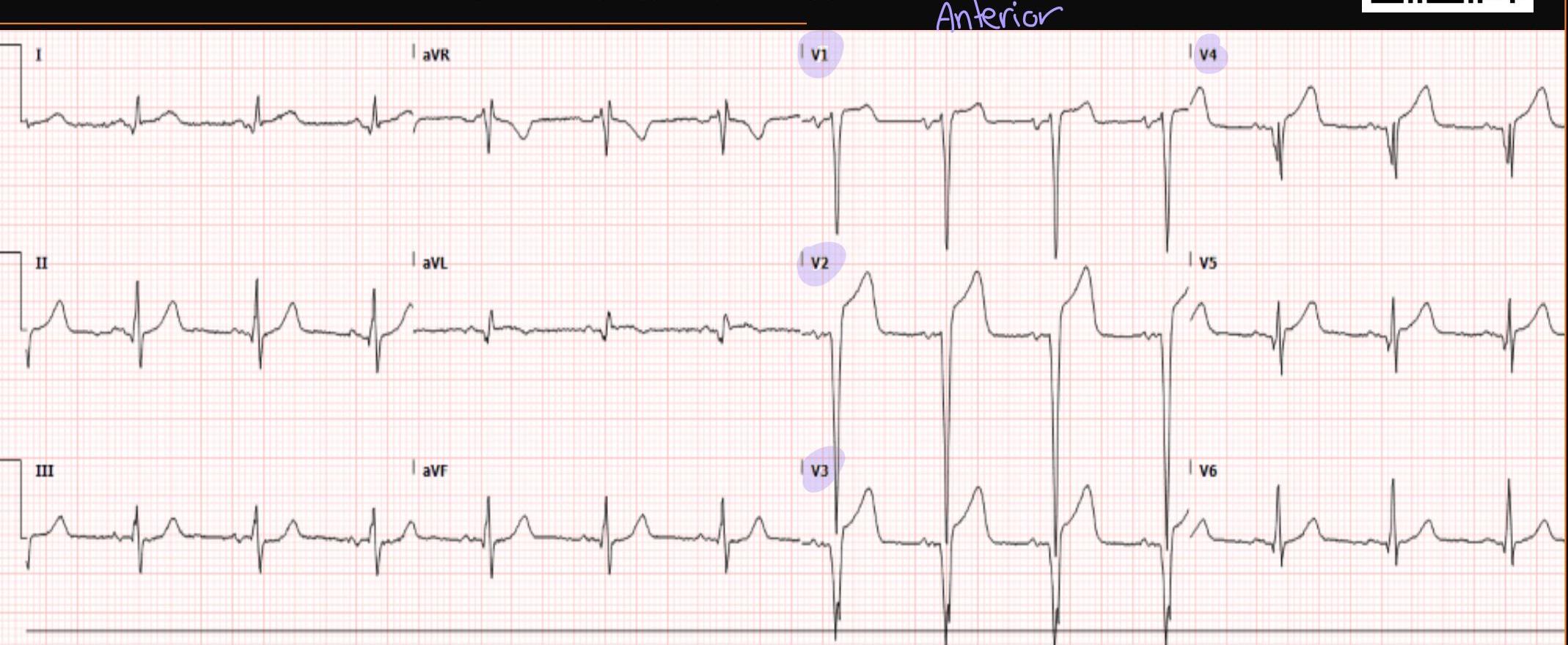

STEMI confirmed what is the next step !!!
Immediately assess eligibility for coronary reperfusion therapy

Coronary Reperfusion therapy

Percutaneous coronary intervention Gold-standard treatment

Fibrinolysis
When time is muscle
Few minutes can save a life


Flowchart for STEMI
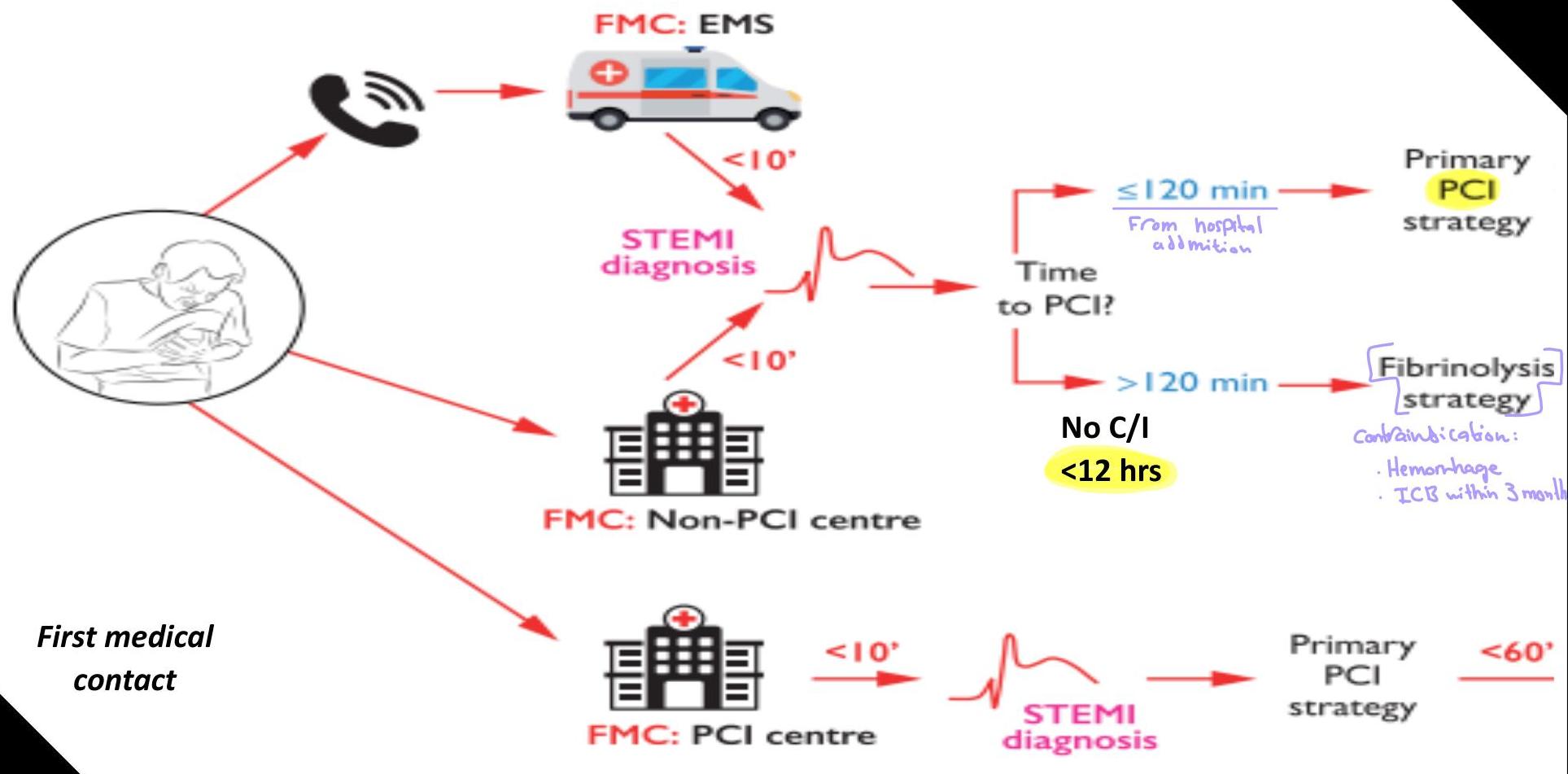
STEMI: early management
NICE National Institute for Health and Care Excellence
Offer a 300-mg loading dose of aspirin as soon as possible and continue aspirin indefinitely unless contraindicated Do not offer routine GPIs or fibrinolytic drugs before arrival at the catheter laboratory if primary PCI planned
Immediately assess eligibility (irrespective of age, ethnicity, sex or level of consciousness) for reperfusion therapy If eligible, offer reperfusion therapy as soon as possible. Otherwise offer medical management
Medical management
- Offer ticagrelor with aspirin unless high bleeding risk
- Consider clopidogrel with aspirin, or aspirin alone, for high bleeding risk
Offer cardiology assessment
Assess left ventricular function
Reperfusion therapy (primary PCI or fibrinolysis)
Angiography with follow-on primary PCI
- Offer if presenting in 12 hours of symptoms and PCI can be delivered in 120 mins
- Consider if presenting more than 12 hours after symptoms and continuing myocardial ischaemia or cardiogenic shock
- Consider radial in preference to femoral access
Drug therapy for primary PCI
- Offer prasugrel* with aspirin if not already taking oral anticoagulant
- Offer clopidogrel with aspirin if taking an oral anticoagulant
- Offer unfractionated heparin with bailout GPI for radial access
- Consider bivalirudin with bailout GPI if femoral access needed
*For people aged 75 and over, think about whether risk of bleeding with prasugrel outweighs its effectiveness; if so offer ticagrelor or clopidogrel as alternatives
Stenting and revascularisation
- If stenting indicated, offer a drug-eluting stent
- Offer complete revascularisation (consider doing this in the index admission) if multivessel coronary artery disease and no cardiogenic shock, but consider culprit only during the index procedure for cardiogenic shock
Fibrinolysis
-
Offer if presenting in 12 hours of symptoms and PCI not possible in 120 mins
-
Give an antithrombin at the same time
-
Offer ECG 60-90 mins after fibrinolysis
-
Offer ticagrelor with aspirin unless high bleeding risk
-
Consider clopidogrel with aspirin, or aspirin alone, for high bleeding risk
-
Do not repeat fibrinolysis; offer immediate angiography with follow-on PCI if indicated by ECG
-
Seek specialist advice for recurrent myocardial ischaemia and offer angiography with follow-on PCI if appropriate
-
Consider angiography during same admission if stable after successful fibrinolysis
-
Assess left ventricular function
Cardiac rehabilitation and secondary prevention
This is a summary of the recommendations on early management of STEMI from NICE’s guideline on acute coronary syndromes. See the guideline at www.nice.org.uk/guidance/NG183.
© NICE 2020. All rights reserved. Subject to Notice of rights.



Simplified management of STEMI
STEMI identified
Aspirin 300mg
YES
PCI possible within 120 mins
NO
PCI
- Give prasugrel
- Radial access is preferred epubian
- Give unfractionated heparin + bailout glycoprotein IIb/IIIa inhibitor
- Drug-eluting stents should be used in preference
Fibrinolysis
Give an antithrombin at the same time
Following procedure give ticagrelor. For ongoing myocardial ischaemia consider PCI
Assumptions
- Patient presents within 12 hours of symptom onset
- If patient presents after 12 hours consider PCI if ongoing myocardial ischaemia or cardiogenic shock
- Patient is not a high bleeding risk
- If patient is a high bleeding risk consider swapping prasugrel for ticagrelor / swapping ticagrelor for clopidogrel
- Patient is not on oral anticoagulants
- If patient is taking oral anticoagulants swap prasugrel for clopidogrel
PassMedicine
STEMI PCI
| Step 1 | STEMI identified | ||
| Step 2 | Aspirin 300mg | ||
| Step 3 | PCI | ||
| Prior PCI (Dual antiplatelet therapy) | Drug therapy during PCI | Other procedures | |
| Aspirin + prasugrel (Not on oral anticoagulant) | •Radial access: • unfractionated heparin with bailout glycoprotein IIb/IIIa inhibitor (GPI) | Thrombus aspiration, Not mechanical extraction | |
| Aspirin + clopidogrel (on oral anticoagulant) | •Femoral access: • bivalirudin with bailout GPI | Drugs-eluting stents | |
日
What is PCI?

PCI - Percutaneous Coronary Intervention Timeframe
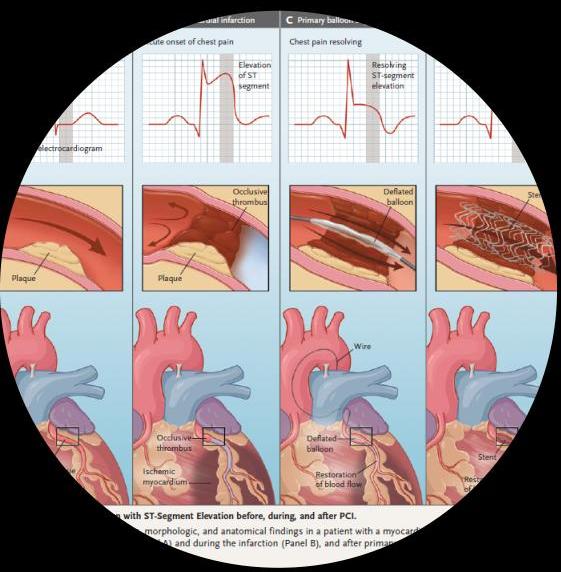
- A primary PCI strategy is recommended over fibrinolysis; if the presentation is within 12 hrs of onset of symptoms & PCI can be delivered within 120 mins
- Consider PCI if fail fibrinolysis evident by ECG 90 minutes showing non-resolution of the ST elevation.
- If patients present after 12 hrs and evidence of ongoing ischaemia then rescue PCI
- Radial access is preferred to femoral access
/////
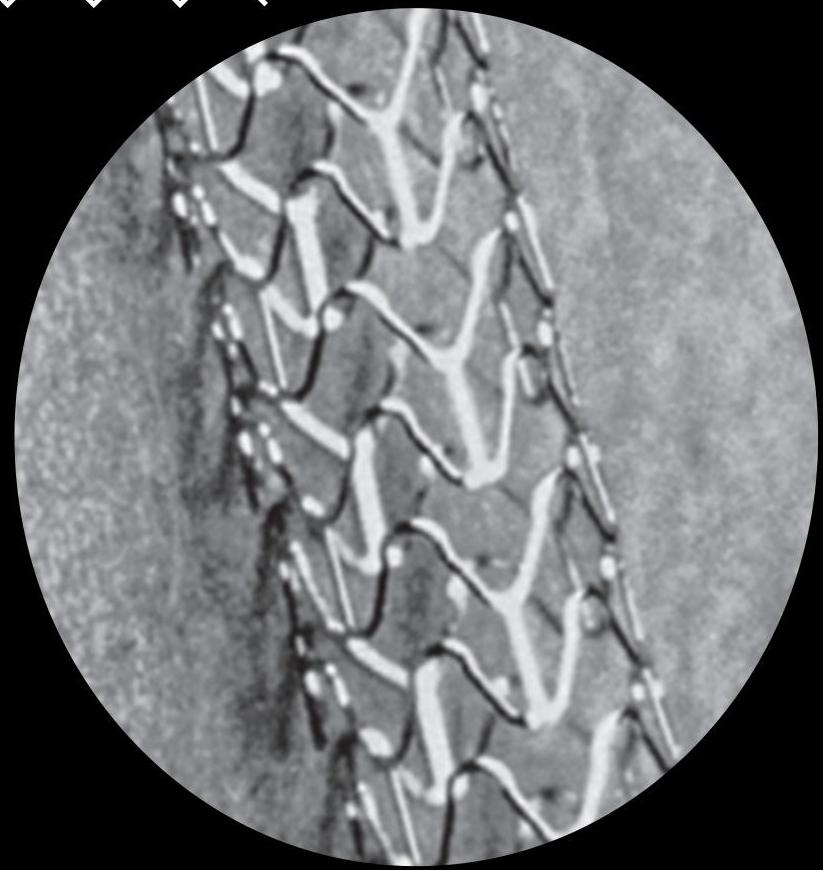
PCI complications
Periprocedural
- Minor bleeding/haematoma
- Retroperitoneal haematoma
- Cholesterol embolization oligouria – short down at kidney – perforic rash
- Cardiac tamponade
Longer term complications
- Restenosis… first 3-6 months (-5-20%)
- stent thrombosis… First month (1-2%)
Simplified management of STEMI
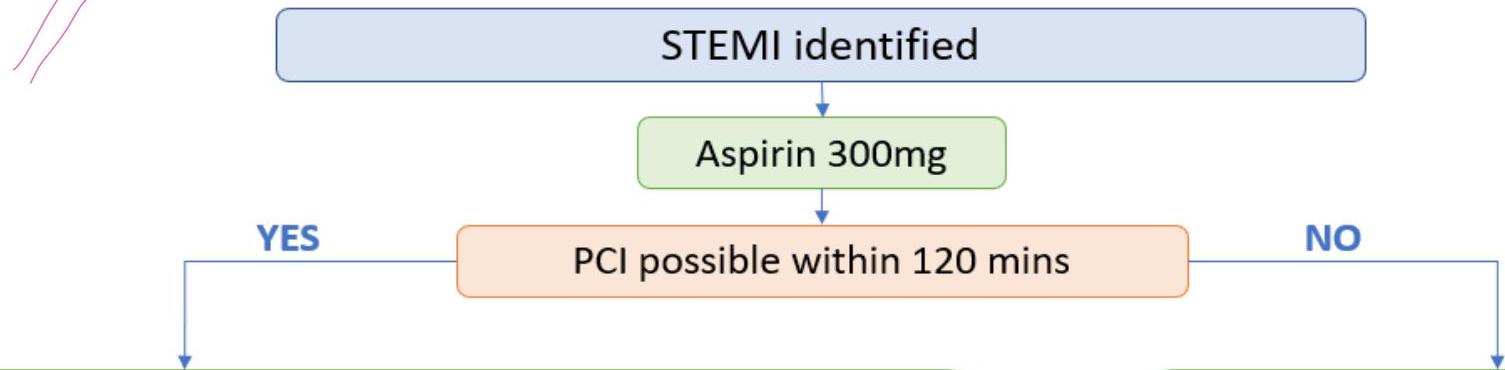
PCI
- Give prasugrel
- Radial access is preferred
- Give unfractionated heparin + bailout glycoprotein IIb/IIIa inhibitor
- Drug-eluting stents should be used in preference
Fibrinolysis
Give an antithrombin at the same time
Following procedure give ticagrelor. For ongoing myocardial ischaemia consider PCI
Assumptions
- Patient presents within 12 hours of symptom onset
- If patient presents after 12 hours consider PCI if ongoing myocardial ischaemia or cardiogenic shock
- Patient is not a high bleeding risk
- If patient is a high bleeding risk consider swapping prasugrel for ticagrelor / swapping ticagrelor for clopidogrel
- Patient is not on oral anticoagulants
- If patient is taking oral anticoagulants swap prasugrel for clopidogrel
PassMedicine
if pit not for PCI
Fibrinolysis
- If primary PCI cannot be delivered within 120 mins.
- Thrombolytic drugs activate plasminogen to form plasmin “Actilyse”
- Tissue plasminogen activator (tPA) shown clear mortality benefits over streptokinase
we don’t like it:
-
Hypotension
-
Alergic reaction
-
100 mg total dose infused over 1.5 hr; 15 mg IVP bolus over 1-2 minutes, remaining as an IV infusion.
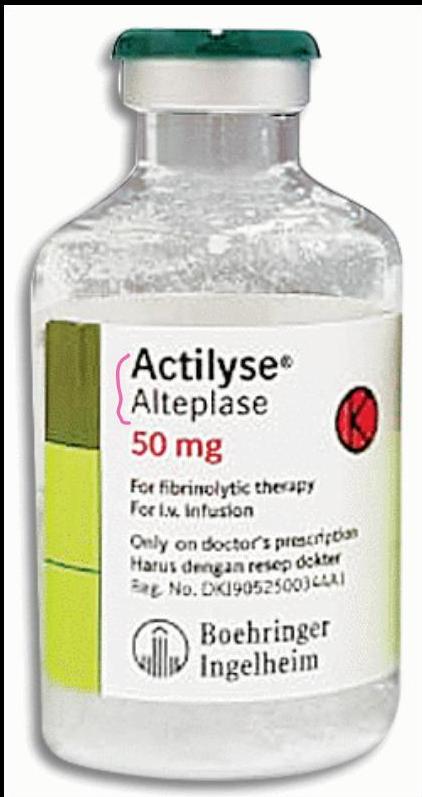
Contraindications for fibrinolysis
√
Active Bleeding BI disorder; coagulopathy, Any prior intracranial bleeding, Not menses
Prior-Surgery Intracranial or intraspinal (2 months), head trauma(3 month)
Intracranial condit Ischemic stroke (3 months), AV malformation, malignancy
Others Suspected Aortic dissection, unresponsive severe hypertension, previous use of streptokinase (6 mo)
Fibrinolysis steps
| Step 1 | STEMI identified |
| Step 2 | Aspirin 300mg |
| Step 3 | PCI not possible with 120 minutes (Fibrinolysis) |
| Step 4 | Antithrombin |
| Step 5 | After procedure --- give ticagrelor |
| Step 6 | Repeat ECG after 60-90 minutes |
| Step 7 | Fail to resolve--- Rescue PCI |

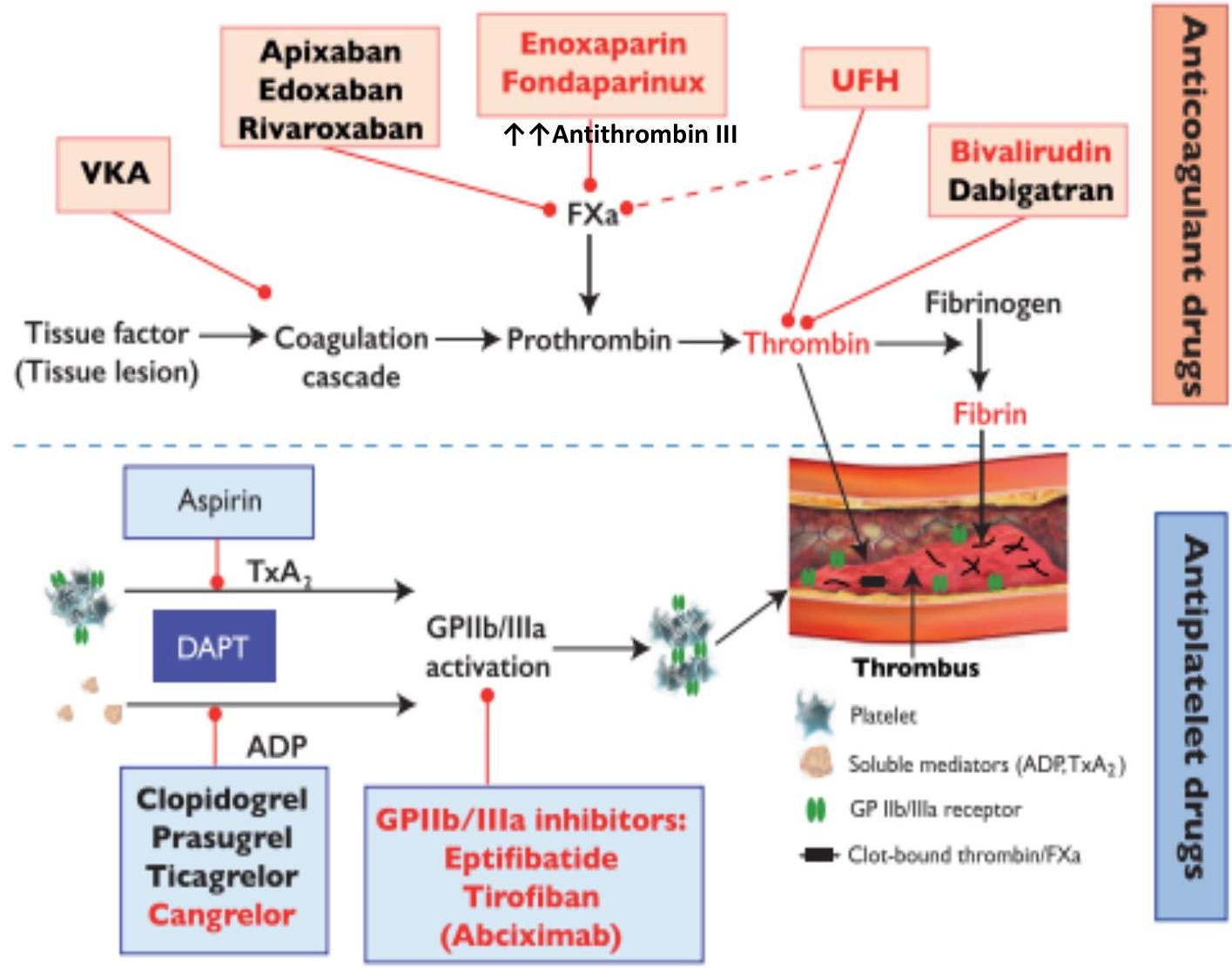
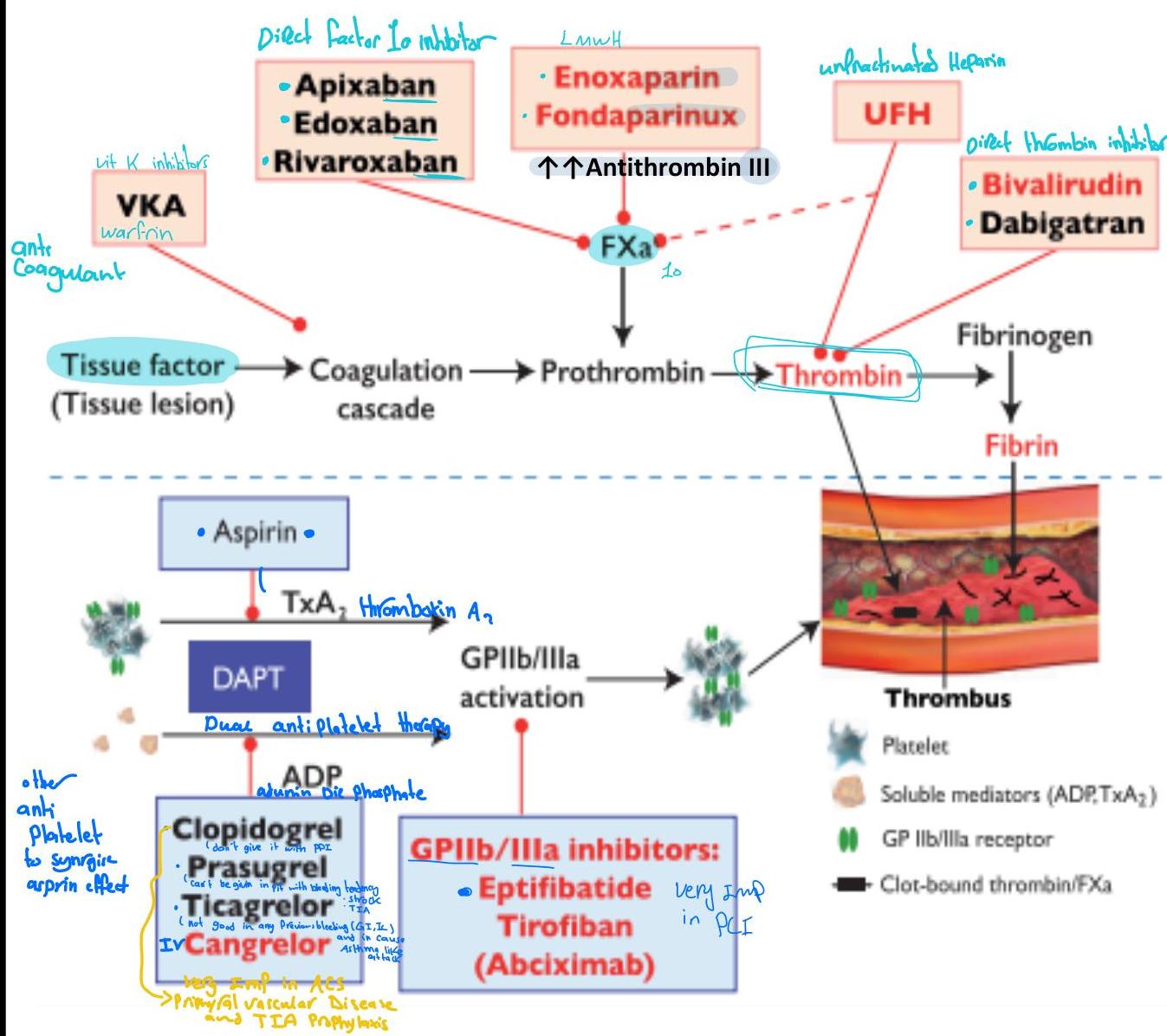
Antithrombotic treatments

Anticoagulant drugs
Antipatelet drugs
Durgs used for management of ACS
| Drug name | MOA |
|---|---|
| Heparin | activates anti-thrombin III |
| Clopidogrel, Ticagrelor, prasugrel | P2Y12 inhibitor |
| Abciximab | glycoprotein IIb/IIIa inhibitor |
| Dabigatran | direct thrombin inhibitor |
| Rivaroxaban | direct factor X inhibitor |
| Fondaparinux; | Activates antithrombin III, which in turn potentiates the inhibition of coagulation factors Xa. |
| bivalirudin | (Reversible direct thrombin inhibitor) |
Dual antiplatelet treatment (DAPT)
- Tica grelor → in anti thrombolytic therapy Prasugral → PCI in bleeding tendency “give Ticoagrelor” / if Pit in anti coagulant “give Clopidogrel”
-
Aspirin and ADP inhibitors work by blocking different platelet aggregation pathways, (potential synergy)
-
Clopidogrel : ADP inhibitor, due to its interindividual variability in antiplatelet effects, newer agents: prasugrel and ticagrelor developed.
-
NICE Guidelines recommend:
-
Marked reduction in short- and long-term ischaemic events when using prasugrel and aspirin, compared to clopidogrel and aspirin in moderate- to high-risk ACS pats.
-
Starting (DAPT) with Aspirin and Ticagrelor for 12 months, as a secondary prevention strategy.
Simplified management of NSTEMI/unstable angina
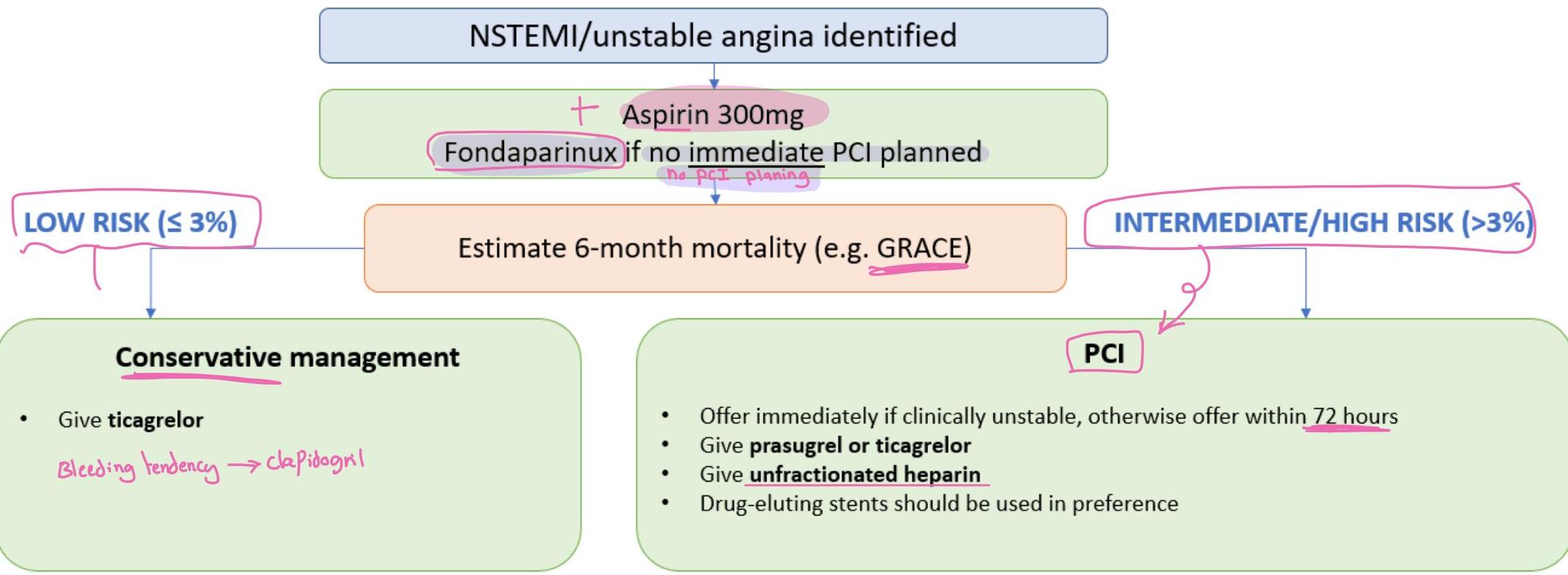
Conservative management
- Give ticagrelor Bleeding tendency → clopidogrel
PCI
- Offer immediately if clinically unstable, otherwise offer within 72 hours
- Give prasugrel or ticagrelor
- Give unfractionated heparin
- Drug-eluting stents should be used in preference
Assumptions
- Patient is not a high bleeding risk. If patient is a high bleeding risk consider:
- Swapping fondaparinux for an alternative antithrombin/dose
- Swapping prasugrel for ticagrelor / swapping ticagrelor for clopidogrel
- Patient is not on oral anticoagulants
- If patient is taking oral anticoagulants swap prasugrel/ticagrelor for clopidogrel
PassMedicine
Management of NSTEMI high Risk Group
| Step 1 | NSTEMI identified |
| Step 2 | Aspirin 300mg |
| Step 3 | Fondaparinux (no risk of bleeding & no immediately PCI |
| Unfractionated heparin: if immediate PCI planned or creatinine is > 265 μmol/L | |
| Step 4 | Risk assessment using (GRACE score); The Global Registry of Acute Coronary Events |
| Step 5 | Immediate PCI; if unstable |
| PCI after 72 hour stable Pit | |
| Step 6 | Prior PCI: Dual AP therapy with Aspirin & Prasugrel or ticagrelor; if on oral anticoagulant : clopidogrel |
| Change ticagrelor to Prasugrel; change Prasugrel to clopidogrel if high bleeding risk | |
| Step 7 | unfractionated heparin should be given regardless on fondaparinux or not |
Management of NSTEMI low Risk Group
| Step 1 | NSTEMI identified |
| Step 2 | Aspirin 300mg |
| Step 3 | Fondaparinux (no risk of bleeding & no immediately PCI |
| Unfractionated heparin: if immediate PCI planned or creatinine is > 265 μmol/L | |
| Step 4 | Risk assessment using (GRACE score) ; The Global Registry of Acute Coronary Events |
| Step 5 | Conservative management with ticagrelor (no risk of bleeding) |
| Conservative management with clopidogrel (no risk of bleeding) |
GRACE score: The Global Registry of Acute Coronary Events
- Heart rate, blood pressure
- Cardiac (Killip class) and renal function (serum creatinine)
- Cardiac arrest on presentation
- ECG findings
- Troponin levels

GRACE ACS Risk and Mortality Calculator
Estimates admission-6 month mortality for patients with acute coronary syndrome.
| When to Use | Pearls/Pitfalls | Why Use |
|---|---|---|
| Age | Norm: 0 - 0 | years |
| --- | --- | --- |
| Heart rate/pulse | Norm: 60 - 100 | beats/min |
| Systolic BP | Norm: 100 - 120 | mm Hg |
| Creatinine | Norm: 62 - 115 | μmol/L by |
| Cardiac arrest at admission | No | Yes |
| ST segment deviation on EKG? | No | Yes |
| Abnormal cardiac enzymes | No | Yes |
| Killip class (signs/symptoms) | No CHF | |
| Rales and/or JVD | ||
| Pulmonary edema | ||
| Diagnosis | 1st line | 2nd line |
|---|---|---|
| Acute coronary syndrome (medically treated) | Aspirin (lifelong) & ticagrelor (12 months) | If aspirin contraindicated, clopidogrel (lifelong) |
| Percutaneous coronary intervention | Aspirin (lifelong) & prasurgrel or ticagrelor (12 months) | Aspirin contraindicated, clopidogrel (lifelong) |
| TIA | Clopidogrel (lifelong) | Aspirin (lifelong) & dipyridamole (lifelong) |
| Ischaemic stroke | Clopidogrel (lifelong) | Aspirin (lifelong) & dipyridamole (lifelong) |
| Peripheral arterial disease | Clopidogrel (lifelong) | Aspirin (lifelong) |
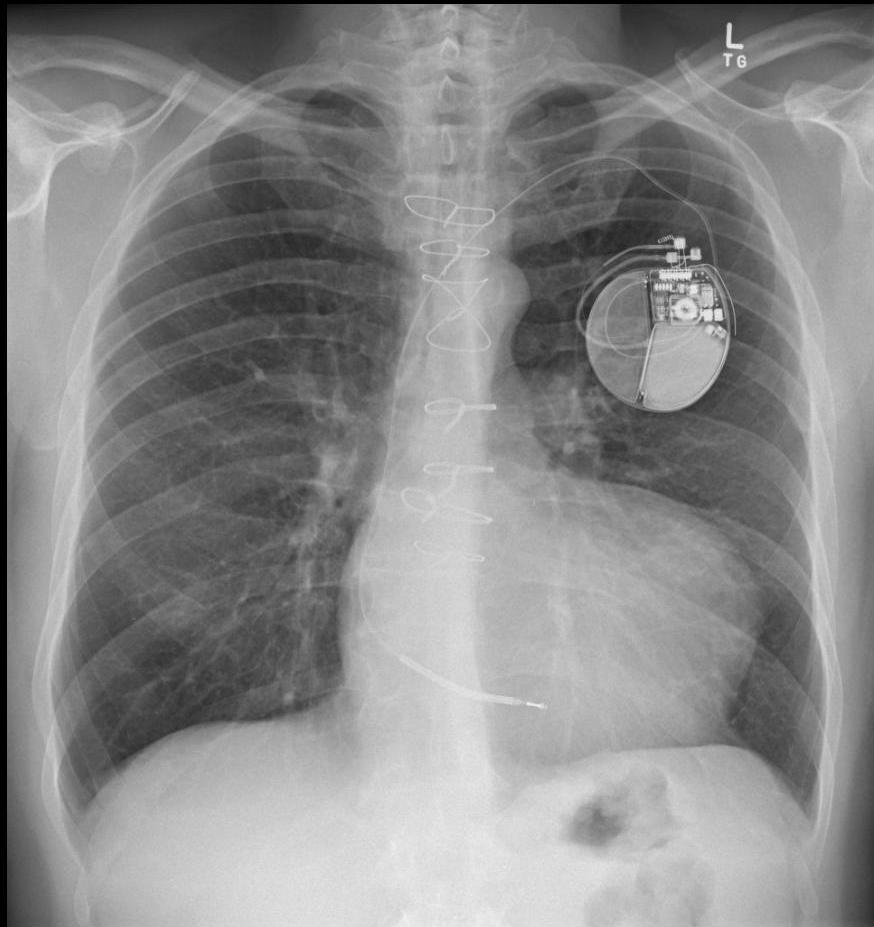
ACS complications
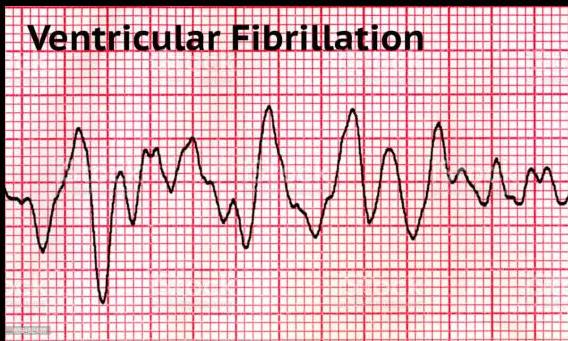 This Photo
CC BY-SA
This Photo
CC BY-SA
 Cardiogenic Shock
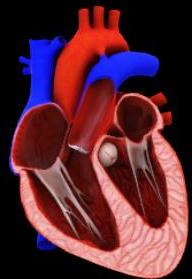 Heart failure
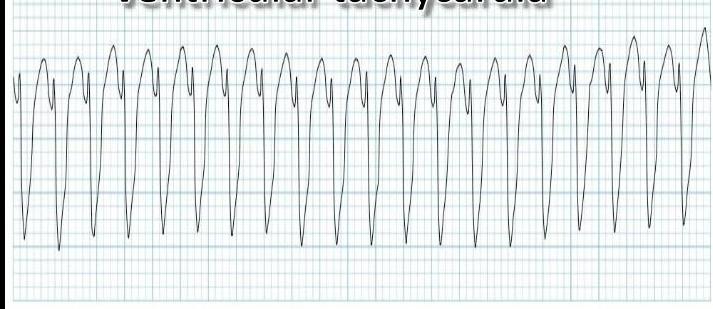 Ventricular tachycardia
This Photo
CC BY-SA
Ventricular tachycardia
This Photo
CC BY-SA
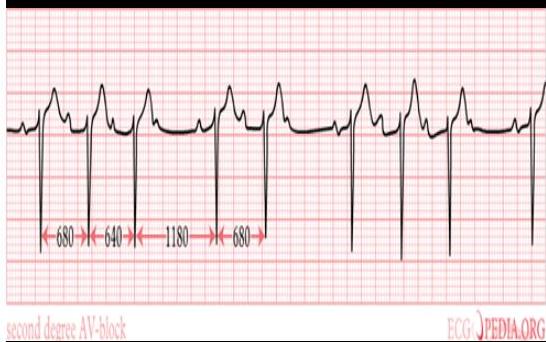 Acute MR, VSD.
CC BY-SA
Acute MR, VSD.
CC BY-SA
 This Photo
CC BY-SA
This Photo
CC BY-SA
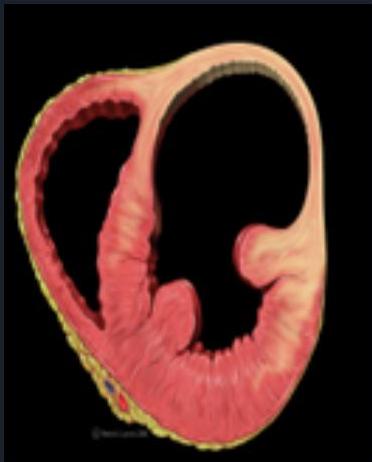
Left ventricular aneurysm
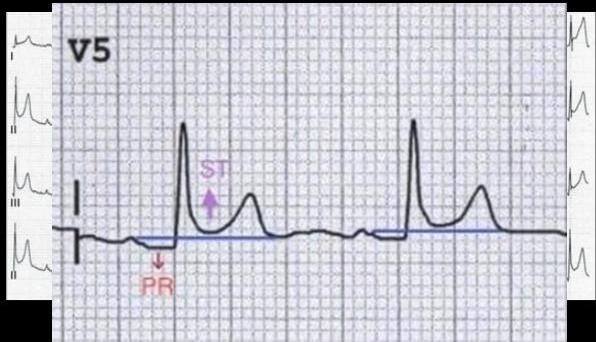
Presestant ST elevation

Acute coronary syndrome: Poor prognostic factors
| Age | Development (or history) of heart failure | peripheral vascular disease | Reduced systolic blood pressure |
|---|---|---|---|
| Killip class* | initial serum creatinine concentration | elevated initial cardiac markers | cardiac arrest on admission |
- Stable angina: B blocker / CCB if pit on 2 anti anginal medication and still be is Comolyn
- PCI if one vessel not LAD
- CABG in triple vessels CAD or LAD
ST segment elevation
Myocardial infarction: secondary prevention
Case: 65 y/o with chest tightness after walking, stop when he rests he is on aspirin, statin, CCB what give to control his and he asthmatic symptoms? (Angina) Can’t give 12 blocker he is asthmatic Can’t Campind 2 CCB so the best to give Rilazine
- Lifestyle modification
- Diet
- Exercise: advise 20-30 mins a day
- PDE5 inhibitors (e.g, sildenafil) used 6 months after a MI
- DVLA: ACS; - 4 weeks off driving; 1 week if successfully treated by angioplasty
All patients should be offered the following drugs:
☑ Dual antiplatelet therapy (aspirin plus a second antiplatelet agent)
-
Post ACS (medically managed): add ticagrelor to aspirin, stop ticagrelor after 12 months
-
Post PCI: add prasugrel or ticagrelor to aspirin, stop the second antiplatelet after 12 months
-
ACE inhibitor
-
beta-blocker
-
Statin
-
if pit came with episode of Heart Failure
-
Aldosterone antagonists; e.g. eplerenone) initiated within 3-14 days if HF
A sample not that patients who had those chest tightness. This occurs approximately after walking approximately 180 meters. It stops when he rests. He has a past medical history of hypertension and asthma. His medications include aspirin, atorvastatin, naltrexone, and a regular inhaler. This examination is uncomfortable. His blood pressure is 154/42 mmHg.
- What is the most appropriate choice of medication to control his symptoms?
A. Atenolol B. Bisoprolol C. Diltiazem D. Venlafaxine

This Photo by Unknown Author is licensed under CC BY-NC-ND
STEMI identified - what is the best next step in the management of this patient with an ACS? (assume normal bleeding risk and not on anticoagulants)
A. Give aspirin 300mg + fondaparinux NSTEMI B. Conservative management - give ticagrelor C. PCI within 72 hours D. Femoral access, give unfractionated heparin, use drug-eluting stent E. Give aspirin 300mg F. Radial access, give unfractionated heparin, use drug-eluting stent
Case
STEMI identified, aspirin given, having PCI - what is the best next step in the management of this patient with an ACS? (assume normal bleeding risk and not on anticoagulants)
A. Give prasugrel B. PCI within 72 hours C. Give clopidogrel 300mg D. Radial access, give unfractionated heparin, use drug-eluting stent E. Give clopidogrel 75mg F. Femoral access, give unfractionated heparin, use drug-eluting stent
Case
STEMI identified, aspirin given, what is the best next step in the management of this patient with an ACS? (assume normal bleeding risk and not on anticoagulants)
A. Assess 6-month mortality using a tool such as GRACE B. Assess whether PCI possible within 120 minutes C. PCI within 72 hours D. Femoral access, give unfractionated heparin, use drug-eluting stent E. Give ticagrelor F. Give prasugrel
Case
70-year-old man with chest pain, STEMI changes on ECG, pulse 102/min, BP 160/90mmHg, sats 93%, what is the most appropriate immediate management?
A. Aspirin, nitrates, morphine, clopidogrel, contact cardiothoracic surgeon for immediate CABG B. Aspirin, nitrates, morphine, clopidogrel, calculate GRACE score C. Aspirin, nitrates, morphine, prasugrel, arrange immediate PCI D. Aspirin, nitrates, morphine, oxygen, prasugrel, arrange immediate PCI E. Aspirin, nitrates, morphine, clopidogrel, arrange immediate thrombolysis
Case
STEMI identified, aspirin given, PCI done, prasugrel given what is the best next step in the management of this patient with an ACS? (assume normal bleeding risk and not on anticoagulants)
A. Give abciximab B. Assess 6-month mortality using a tool such as GRACE C. Give clopidogrel 300mg D. Give prasugrel or ticagrelor E. Radial access, give unfractionated heparin, use drug-eluting stent F. Femoral access, give unfractionated heparin, use drug-eluting stent
Case
STEMI identified, aspirin given, has had fibrinolysis + antithrombin given what is the best next step in the management of this patient with an ACS? (assume normal bleeding risk and not on anticoagulants)
A. PCI within 72 hours B. Give clopidogrel 300mg C. Give ticagrelor D. Femoral access, give unfractionated heparin, use drug-eluting stent E. Give aspirin 300mg + fondaparinux F. Assess 6-month mortality using a tool such as GRACE
Case
60-year-old man with chest pain, NSTEMI changes on ECG, pulse 66/min, BP 130/82mmHg, sats 98%, what is the most appropriate immediate management?
A. Aspirin, nitrates, morphine, prasugrel, arrange immediate PCI B. Aspirin, nitrates, morphine, oxygen, prasugrel, arrange immediate PCI C. Aspirin, nitrates, morphine, clopidogrel, arrange immediate thrombolysis D. Aspirin, nitrates, morphine, clopidogrel, contact cardiothoracic surgeon for immediate CABG E. Aspirin, nitrates, morphine, prasugrel, arrange transvenous pacing wire F. Aspirin, nitrates, morphine, clopidogrel, calculate GRACE score
Case
NSTEMI identified, aspirin given, what is the best next step in the management of this patient with an ACS? (assume normal bleeding risk and not on anticoagulants)
A. Give prasugrel or ticagrelor B. Give ticagrelor C. Give aspirin 75mg D. Assess 6-month mortality using a tool such as GRACE E. Radial access, give unfractionated heparin, use drug-eluting stent F. Conservative management - give ticagrelor
Case
NSTEMI identified, aspirin given, 6-month mortality intermediate/high(>3%) what is the best next step in the management of this patient with an ACS? (assume normal bleeding risk and not on anticoagulants)
A. Femoral access, give unfractionated heparin, use drug-eluting stent B. Give prasugrel or ticagrelor C. Radial access, give unfractionated heparin, use drug-eluting stent D. PCI within 72 hours E. Give prasugrel F. Give aspirin 75mg
Case
NSTEMI identified, aspirin given, intermediate/high risk, having PCI within 72 hours; what is the best next step in the management of this patient with an ACS? (assume normal bleeding risk and not on anticoagulants)
A. Give an antithrombin B. Give clopidogrel 75mg C. Give aspirin 300mg + fondaparinux D. Give clopidogrel 300mg E. Assess whether PCI possible within 120 minutes F. Give prasugrel or ticagrelor
Case
NSTEMI identified; what is the best next step in the management of this patient with an ACS? (assume normal bleeding risk and not on anticoagulants)
A. Give clopidogrel 300mg B. Assess 6-month mortality using a tool such as GRACE C. Conservative management - give ticagrelor D. Give aspirin 75mg E. PCI within 72 hours F. Give aspirin 300mg + fondaparinux
Case
STEMI identified; aspirin given, having fibrinolysis- what is the best next step in the management of this patient with an ACS? (assume normal bleeding risk and not on anticoagulants)
A. Give an antithrombin B. Radial access, give unfractionated heparin, use drug-eluting stent C. PCI within 72 hours D. Give ticagrelor E. Give aspirin 75mg F. Give abciximab
Case
NSTEMI identified; aspirin given; 6-month mortality low (<3%) what is the best next step in the management of this patient with an ACS? (assume normal bleeding risk and not on anticoagulants)
A. Assess whether PCI possible within 120 minutes B. Conservative management - give ticagrelor C. Radial access, give unfractionated heparin, use drug-eluting stent D. Give prasugrel E. PCI within 72 hours F. Give prasugrel or ticagrelor
Case
NSTEMI identified; aspirin given; intermediate/high risk, ticagrelor given, having PCI- what is the best next step in the management of this patient with an ACS? (assume normal bleeding risk and not on anticoagulants)
A. Give clopidogrel 75mg B. Radial access, give unfractionated heparin, use drug-eluting stent C. Assess 6-month mortality using a tool such as GRACE D. Give prasugrel or ticagrelor E. Give abciximab F. Femoral access, give low-molecular weight heparin, use bare-metal stent
Case
Take Away messages
- Great attention. Not to miss ACS among elderly, women and diabetic patients.
- PCI had revolutionized ACS management.
- DUAL platelet therapy is the recommended preventive medication.
- Risk stratification of patient is important for ACS management.



READY FOR A Quiz time