Pericarditis and Myocarditis
Dr. Nasr Eldin Yousif Ahmed
Function of Pericardium
- Keep the heart in its place
- Keep the heart from expanding too much and filling the heart with too much blood
- Protect the heart from infection
- Provide lubrication to reduce friction between the heart and surrounding tissue
PERICARDITIS
Definition
- Pericarditis refers to an inflammatory process of the visceral and parietal pericardium as a result of bacterial, and viral infection
- Pericarditis may be acute or chronic in nature and may spread to the myocardium.
TYPES OF PERICARDITIS .
- Acute Pericarditis**
- Chronic Pericarditis**
- Constrictive Pericarditis**
- Effusive-constrictive Pericarditis**
Causes of Acute Pericarditis
- Unknown
- Viral: Coxsackie B virus, echovirus, adenovirus, HIV, Epstein – Barr virus.
- Bacterial: staphylococcus, streptococcus, haemophlus.
- Heart attack : STEMI & non-STEMI
- Chest injury
- Heart surgery
Causes of Acute Pericarditis
- Kidney filature
- Autoimmune diseases: SLE, rheumatoid arthritis, scleroderma.
- Cancer
- Drugs: INH, phenytoin, procainamide and hydralazine.
CONT.
○ Chronic pericarditis
- Pericardium becomes hard due to constrictive band around the heart, this prevent blood from filling and emptying the ventricles, resulting in cardiac failure.
ETIOLOGY
❑ Infection of heart structure may be
- Bacterial (especially by tuberculosis bacillus )
- Viral(especially by Coxsackievirus must common)
- Fungal
□ Or due to complication of systemic disease.
- Rheumatoid arthritis
- Scleroderma
- Systemic lupus erythematosus
- Myocardial infarction and
- Trauma(puncture resulting inflammation and infection)
CONT.
□ Side effect of some medication:
- Isoniazid
- Cyclosporine
- Hydralazine .
Pathophysiology: Disorders of pericardium
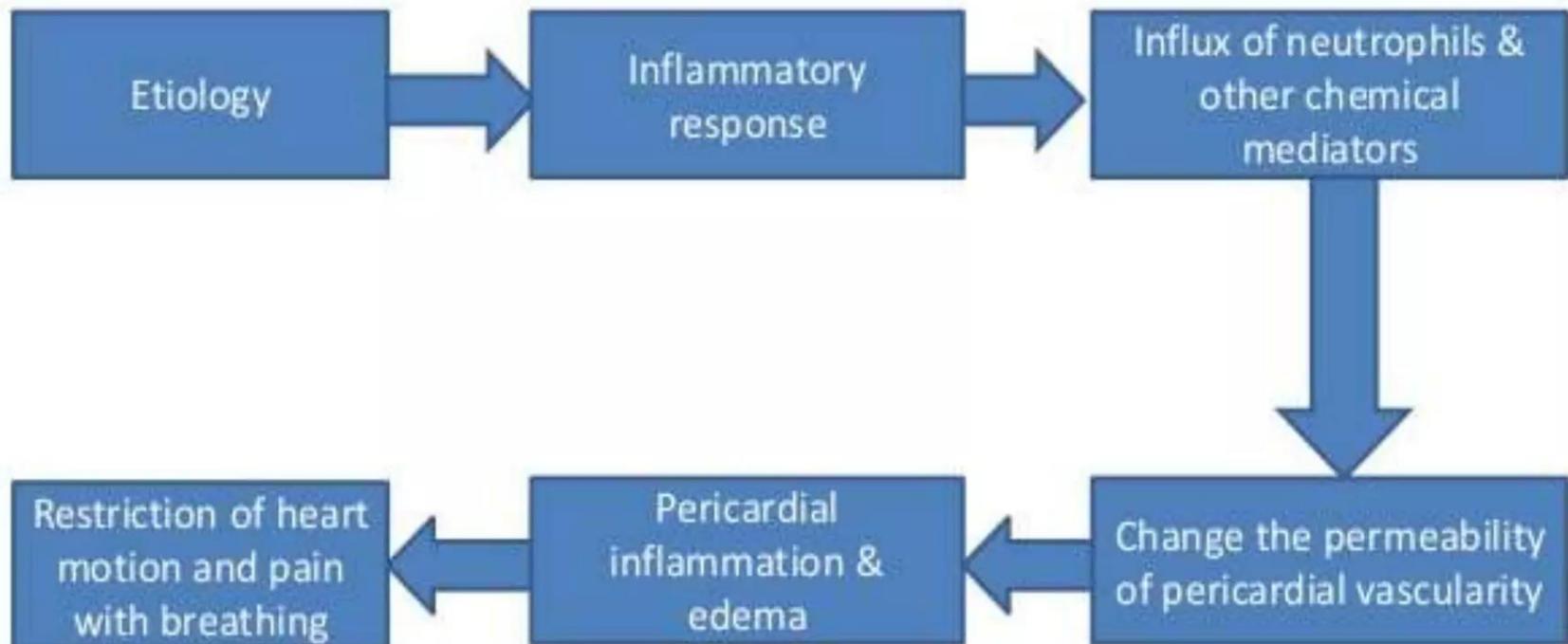
Signs and Symptoms
- In acute Pericarditis:
- Severe chest pain (sharp stabbing pain) due to pericardial friction.
- Radiating pain over the left shoulder, neck & back
- The chest pain is aggravated by leaning down, deep breathing, coughing and swallowing and it is relieved by sitting position & leaning forwards
- Dyspnea
- Fever
Signs and Symptoms
- Weak and small volume pulse
- Distended neck vein
- Muffled heart sound
- Pericardial rub (systolic sound)
DIAGNOSIS
- Blood testing
- Biopsy
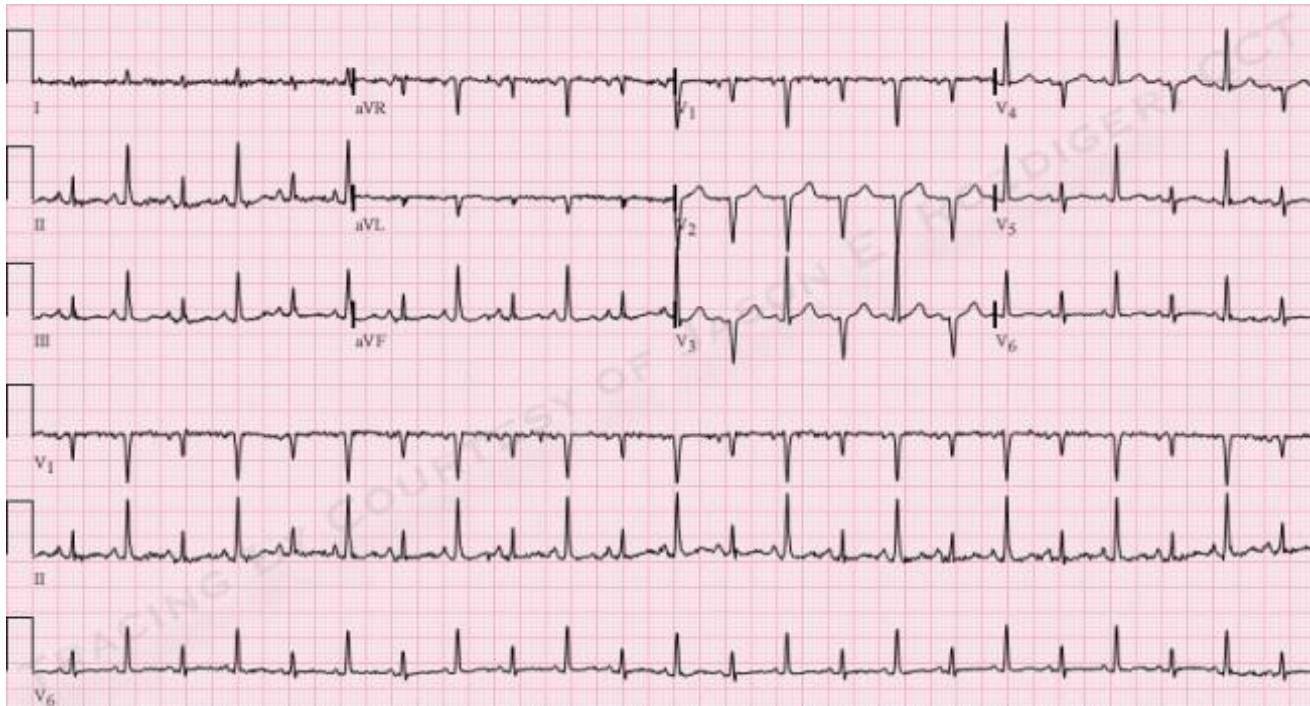
- Electrocardiogram
- Echocardiogram
- Chest x-ray
- Cardiac computerized tomography (CT) scan
- Cardiac magnetic resonance imaging (MRI)

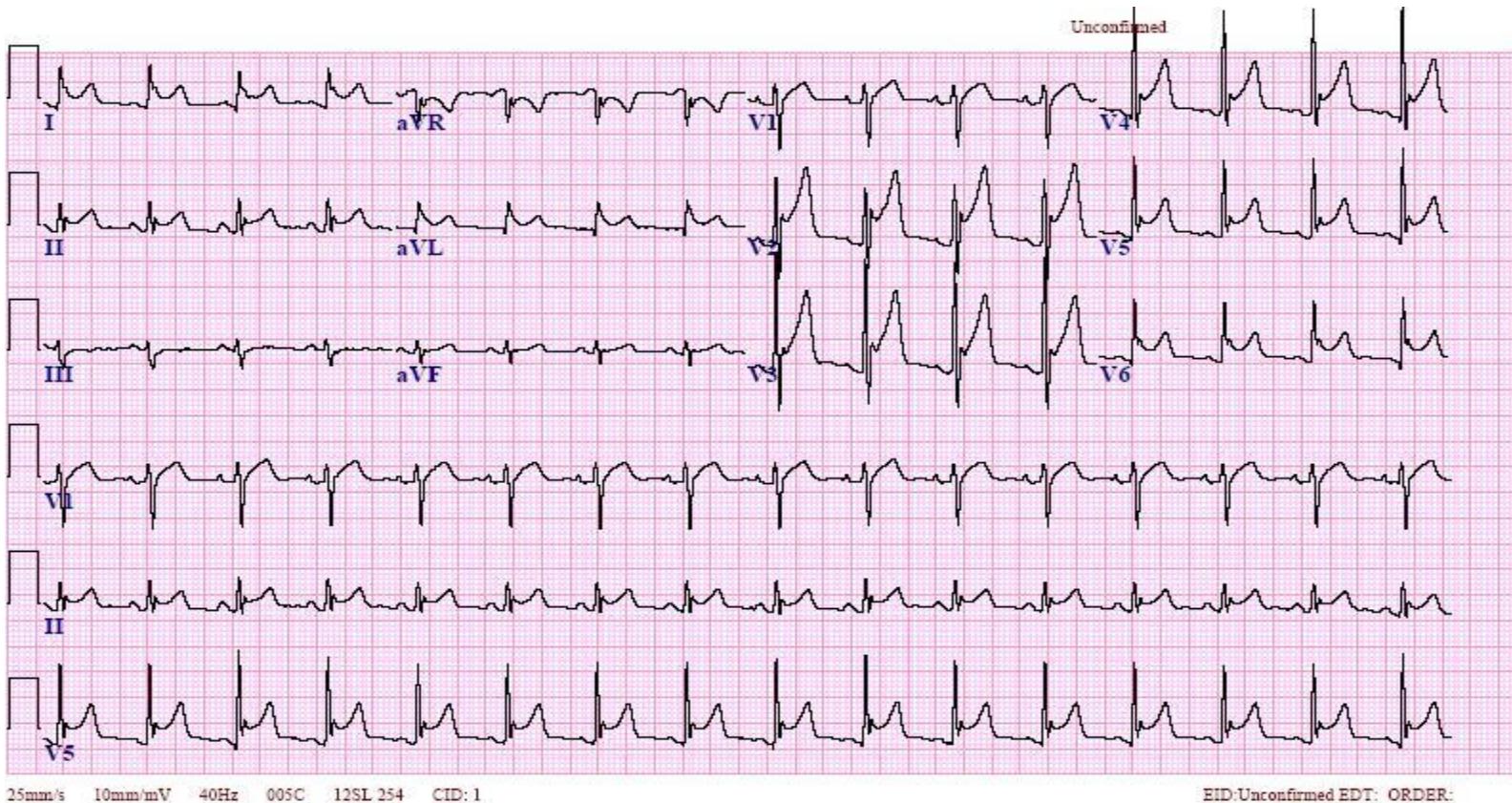
Universal ST segment elevation with concave upwards
PR segment depression
Diagnostic criteria for pericarditis
- Chest pain
- Pericardiac friction rub
- ECG changes
- Pericardial effusion by echo
Treatment
- Non steroidal anti-inflammatory drug
- Colchicine
- Pericarditis
- Gouty arthritis
- Steroids
- Recurrent pericarditis
- autoimmune
Constrictive Pericarditis
- It is due to progressive thickening, fibrosis and calcification of pericarditis. In effect, the heart is encased in a solid shell and cannot fill properly.
- Common causes:
- Tuberculous
- Hemopericardium
- Viral pericarditis
- Rheumatoid arthritis
- Purulent pericarditis
Clinical Features
- Fatigue
- Rapid, low-volume pulse
- Elevated JVP
- Kussmaul sign
- Hepatomegaly
- Ascites
- Peripheral edema
- Pulsus paradoxus
Investigations
- Chest x-ray
- Echocardiography
- CT scan
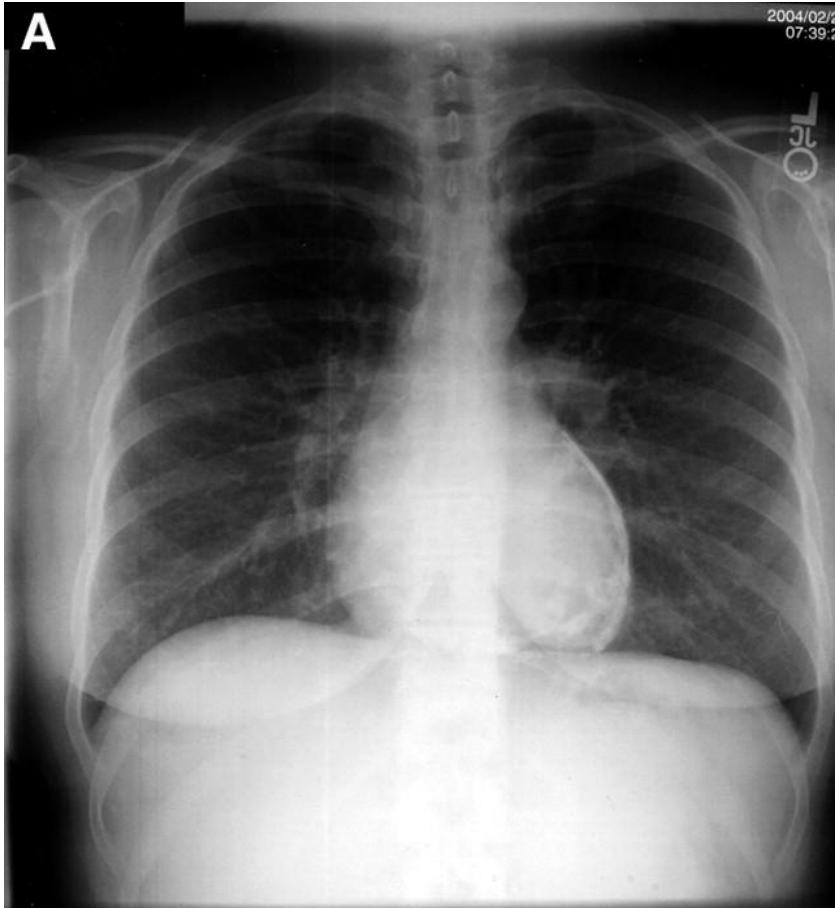
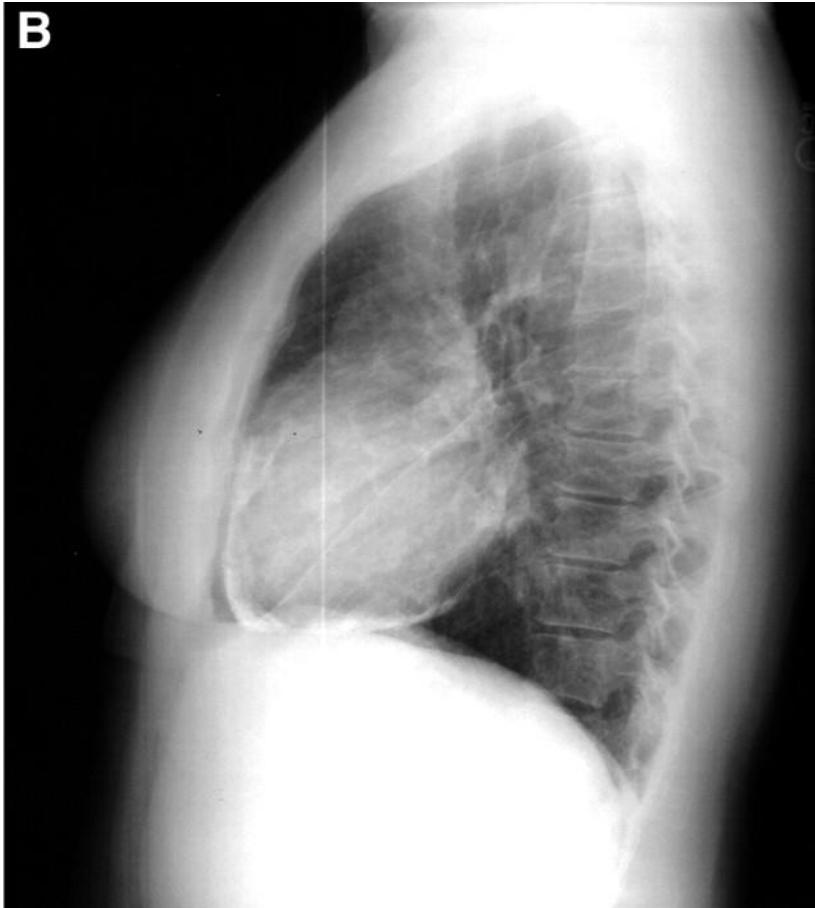
B
Management
- Medical:
- Loop diuretics
- Spironolactone
- Surgical:
Surgical resection of the diseased pericardium
Cardiac Tamponade
- This term is used to describe acute heart failure due to compression of the heart as a result of a large pericardial effusion.
- Tamponade may complicate:
- Any form of pericarditis
- Malignant diseases
- Trauma to the pericardium
- Rupture free wall of ventricle following MI
Clinical Features
- Dyspnea
- Collapse
- Tachycardia
- Hypotension
- Gross elevation of the JVP
- Soft heart sounds
- Pulsus paradoxus
- Kussmaul’s sign
Investigations
- ECG
- Chest x-ray
- Echo
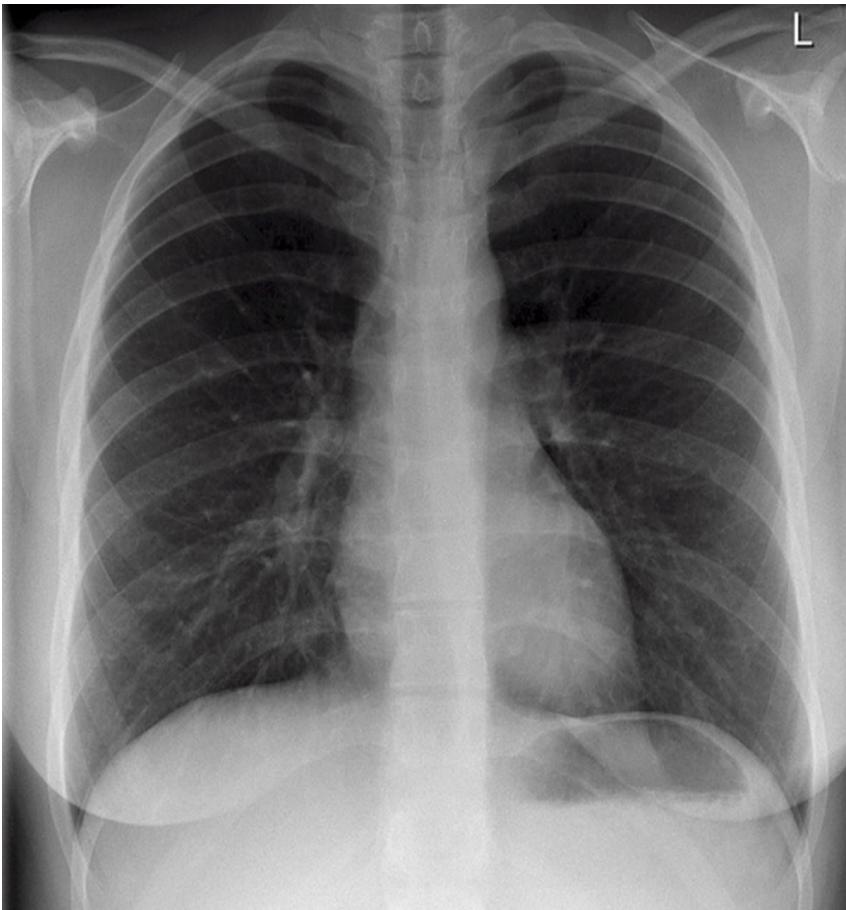
L
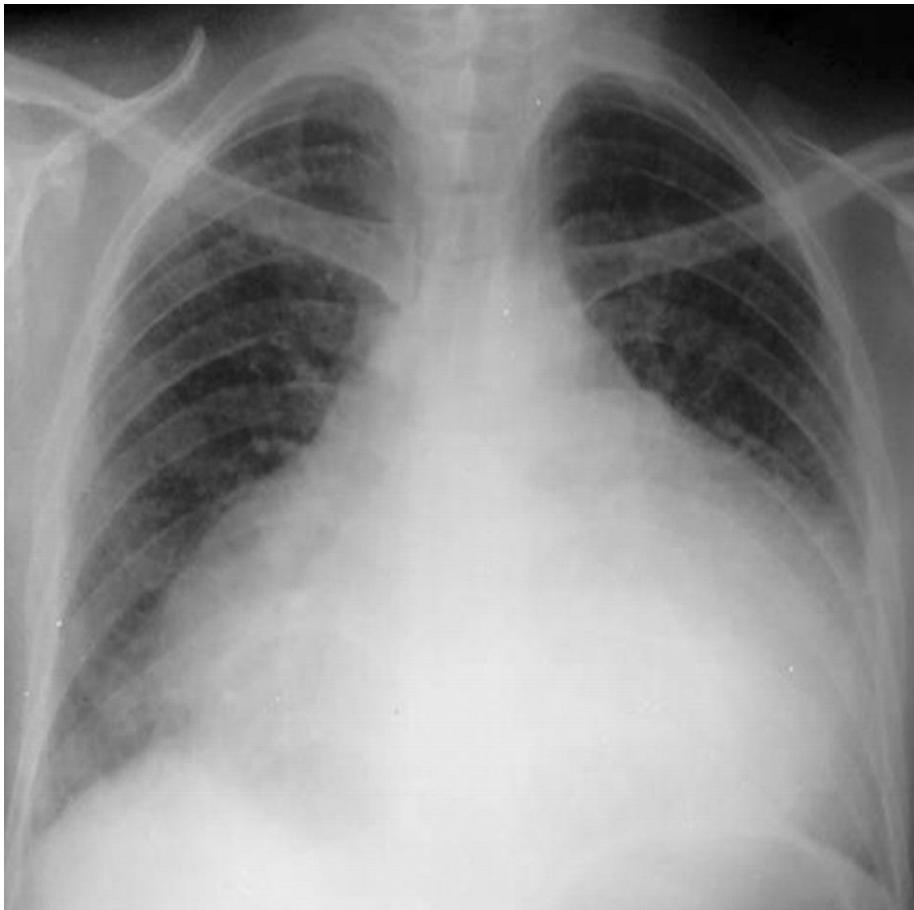
Echo in Cardiac Tamponade
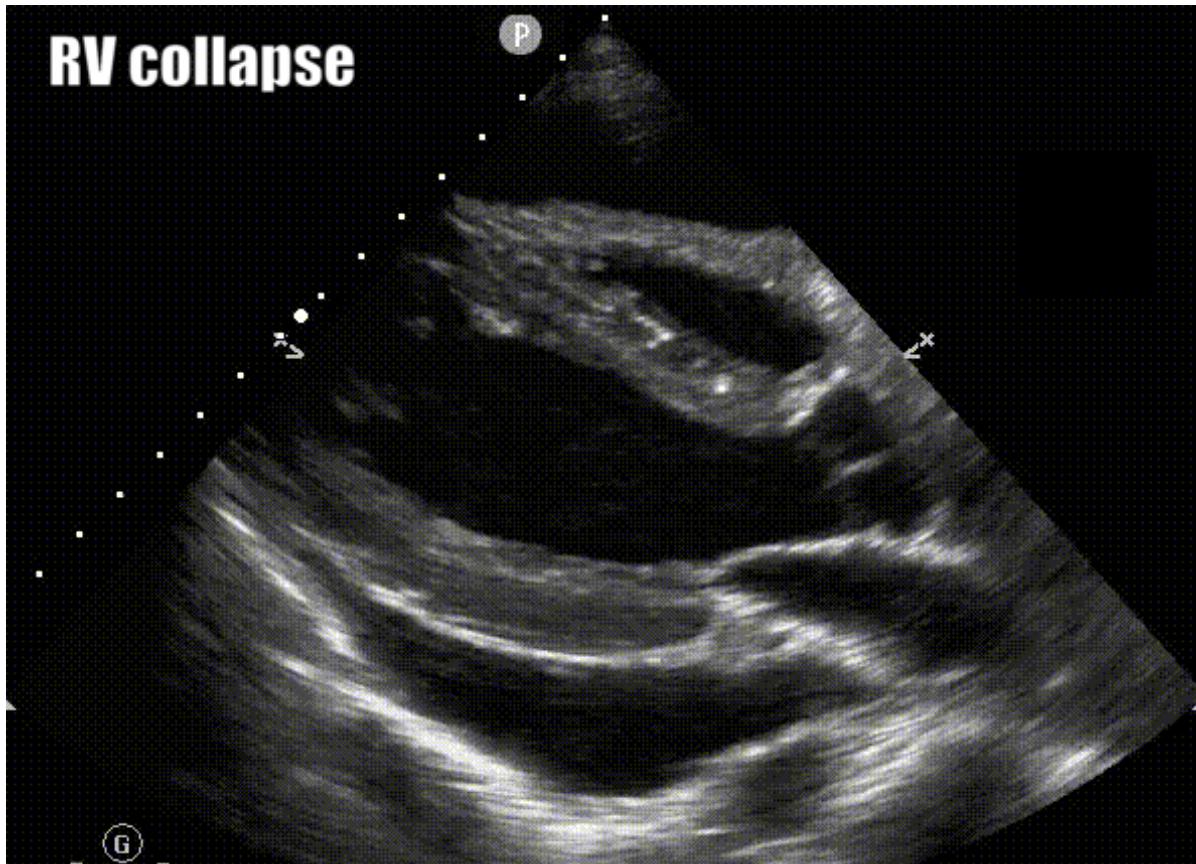
RV collapse
Management
- Cardiac tamponade is a medical emergency
- Urgent percutaneous pericardiocentesis should be performed as soon as possible which usually results in a dramatic improvement
Myocarditis
- Definition
- Causes of myocarditis
- High risk of myocarditis
- Pathophysiology of myocarditis
- Clinical features of myocarditis
- Investigation
- Management
- Complication
Definition of Myocarditis
- Myocarditis is inflammation of the heart muscle, called the myocardium.
- The condition can reduce the heart ability to pump blood.
- Others name
- Myocardial inflammation
- Heart muscle inflammation
- Inflammatory cardiomyopathy
Causes of Myocarditis
- Viral
- Bacterial
- Parasites
- Fungus
- Drugs
- chemical and radiation
- others
Viral Causes
- Adenovirus
- COVID – 19
- Hepatitis B and C
- Echo virus
- Epstein – bar virus
- German measles
- HIV
- Influenza A & B virus
- Coxsackie
Causes of Myocarditis
- Bacterial causes:
- Staphylococcus
- Streptococcus
- Mycoplasma Pnemoniae
- Bacteria that cause diphtheria
- Bacteria that cause Lyme disease
- Parasitic causes:
- Trypanosoma cruzi
- toxoplasma
Causes of Myocarditis
- Fungal infection
- Candida
- Aspergillus
- Histoplasma
- Drugs & alcohol
- Anti cancer
- Antibiotics, penicillin & sulfonamides
- Cocaine
- Lithium
Causes of Myocarditis
Autoimmune diseases
- SLE
- Rheumatoid arthritis
- Wegener granulomatosis
- Giant cell arteritis
- Sarcoidosis
- Systemic sclerosis
Chemical & radiation
- Carbon monoxide
- Radiation treatment of certain cancer
High Risk of Myocarditis
- DM
- HIV/AIDS
- ESRD
- Cancer treated with certain medicine
- Skin infection
- Chest injury

PATHOPHYSIOLOGY OF MYOCARDITISTHE DOMINO EFFECT
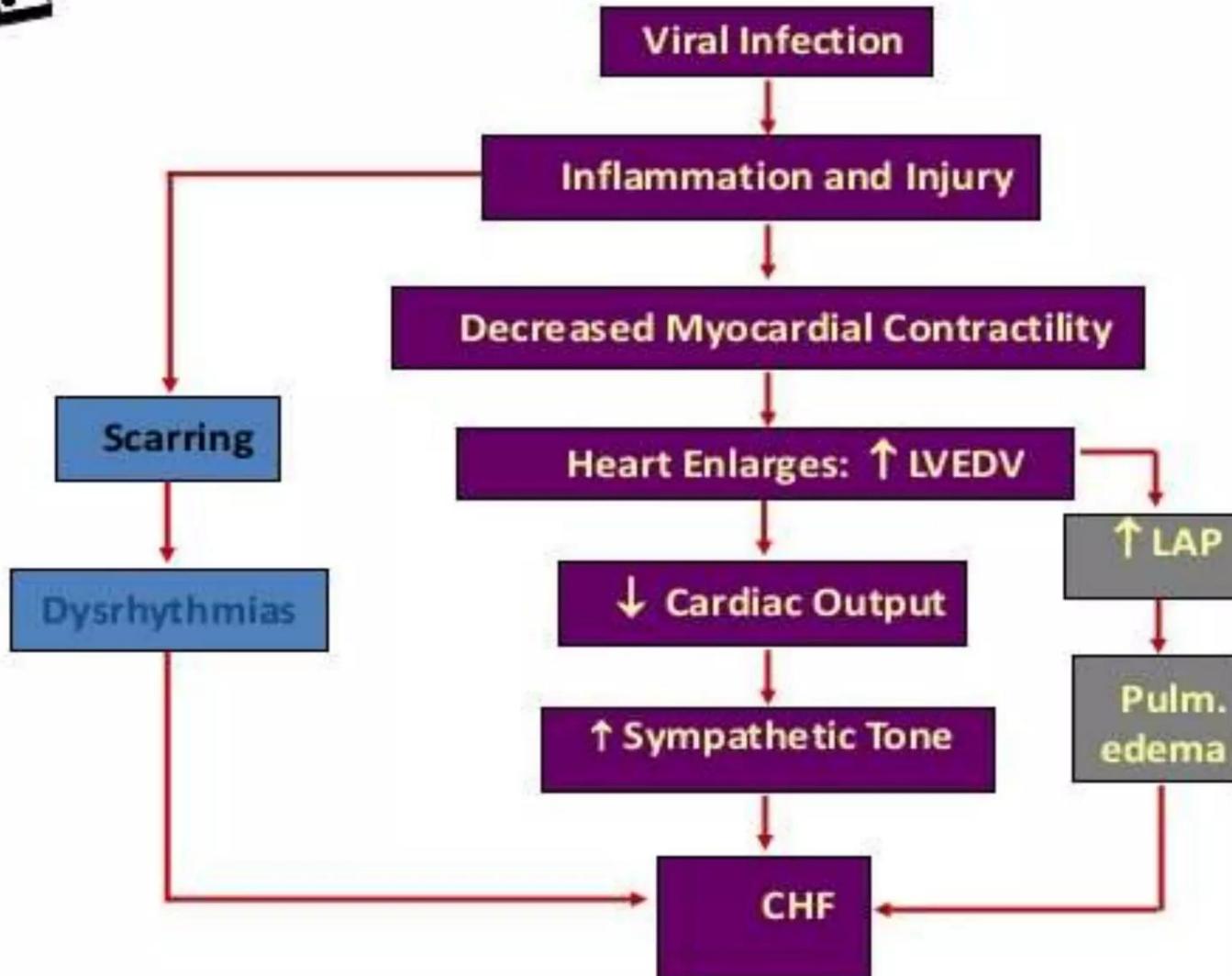
Clinical Features of Myocarditis
- Fulminant myocarditis, follow a viral prodrome and result in severe heart failure or cardiogenic shock.
- Acute myocarditis present over a long period with HF and can lead to DCM
- Chronic active myocarditis
- Chronic persistent myocarditis
Investigations
- ECG non specific changes
- Chest X-ray normal or cardiomegaly
- Echo reveal LV dysfunction
- Cardiac troponin used to monitor severity and progression of cardiac injury and myocarditis
- Endomyocardial biopsy to confirm the diagnosis
Management
- Supportive treatment
- Treatment of cardiac failure
- Treatment of arrhythmias
- Avoid intense physical exertion
- Specific antimicrobial therapy
THERE IS NO EVIDANCE OF BENEFIT FROM TREATMENT WITH GLUCOCORTICOIDS AND IMMUNOSUPPRESSIVE AGENT.