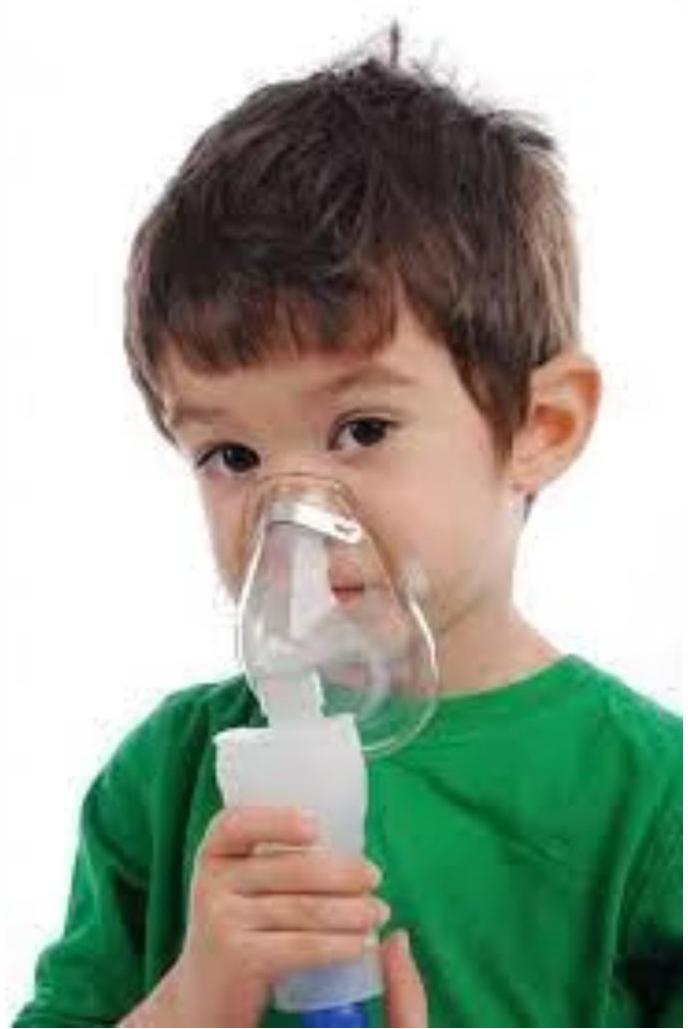
CHILDHOOD ASTHMA
Prepared by: DR. SALMA ELGAZZA
RMRCPI – Pediatrics
Master’s degree in Pediatrics, Alexandria University
Learning Objectives
Pathophysiology & Etiology
Describe the pathophysiology and etiology behind childhood asthma, including inflammatory mechanisms and genetic factors.
Clinical Presentation
Identify the clinical presentation and recognize the triggering factors of bronchial asthma in children across different age groups.
Diagnosis & Classification
Develop a rational approach to the differential diagnosis and classify the severity of asthma using evidence-based criteria.
Management Strategies
Discuss the pharmacologic and non-pharmacologic management strategies of bronchial asthma in the pediatric population.
Status Asthmaticus
Define status asthmaticus, recognize its signs and symptoms, and outline the emergency management protocol for this life-threatening condition.
Definition of Childhood Asthma
Asthma is a chronic inflammatory disease of the respiratory system, in which many cells and cellular elements play a role, resulting in episodic airflow obstruction.
It is characterized by three key features:
- Bronchial hyperresponsiveness to various stimuli
- Episodic acute asthma exacerbations that may require intervention
- Reversible airflow obstruction that distinguishes it from other chronic respiratory conditions
Allergic asthma typically develops in childhood and is triggered by allergens such as pollen, dust mites, pet dander, and certain foods. This phenotype is often associated with other atopic conditions.