Acne Vulgaris
-
Variants of Acne
-
- Polycystic Ovarian Syndrome
- Androgens in Acne
- More Examples of Hormonal Acne
- Treatment of Hormonal Acne
- Complications of Acne
Acne Cases Dr Sami Fatehi MBBS, MSc, PhD, MD Dermatology Consultant & Assistant Professor
What is acne?
It is pilosebaceous disorders due to:
- Hyperproliferation of hair follicle epidermal layer (hyperkeratosis).
- Increase sebum production.
- Proliferation of propiobacterium acnes.
- Inflammatory responses in the dermis.
Body Areas with well developed sebaceous glands
- Face
- Upper chest
- Upper back
- Shoulders
Introduction
- Common pilosebceous disorders
- affect more than 85% of individuals 12 to 24 years old
- 15-35 % of adults especially women in their 30s and 40s.
- Clinical presentation range from mild comedons to severe supportive nodules with systemic manifestations.
- Tendency to develop moderate to severe acne may can run in families.
- The relationship with diet is controversial particularly with high glycemic food and milk.
Classification of Acne Vulgaris
- Classification of acne is based on the morphology
- Comedonal: open and closed comedones
- Inflammatory: papules and pustules
- Nodulocystic: nodules and cysts
- It is equally important to describe the severity (each type can be mild to severe depending on the amount of acne) and note the presence of scarring for each patient
Complications of Acne
-
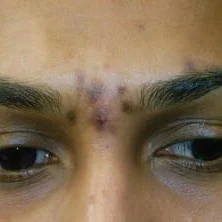
POST INFLAMMATORY
-
HYPERPIGMENTATION
-
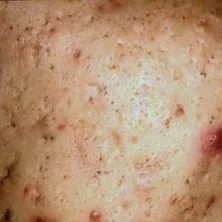
SCARRING, INCLUDING
-
KELOID SCARS
-
PSYCHOLOGICAL EFFECTS OF ACNE