ENT OSPE/Slideshow
اللهم يا معلّم موسى علّمني، ويا مفهم سليمان فهّمني، ويا مؤتي لقمان الحكمة وفصل الخطاب آتني الحكمة وفصل الخطاب اللهم اجعل ألستنا عامرة بذكرك، وقلوبنا بخشيتك، وأسرارنا بطاعتك، إنك على كل شيء قدير، حسبنا الله ونعم الوكيل
if there are any correction, changes, or addition in your notes please send me message dr.alkharji@proton.me
Updates through https://medatlax.com/Clinical/Level-10/ENT/CL-ENT/ENT-Slideshow/ENT-Slideshow - will be highlighted yellow
compiled from Amani, Faisal Alkharji, Qamar, Raghad, Renad, Roaa, Seba, Shaden 2020-2025
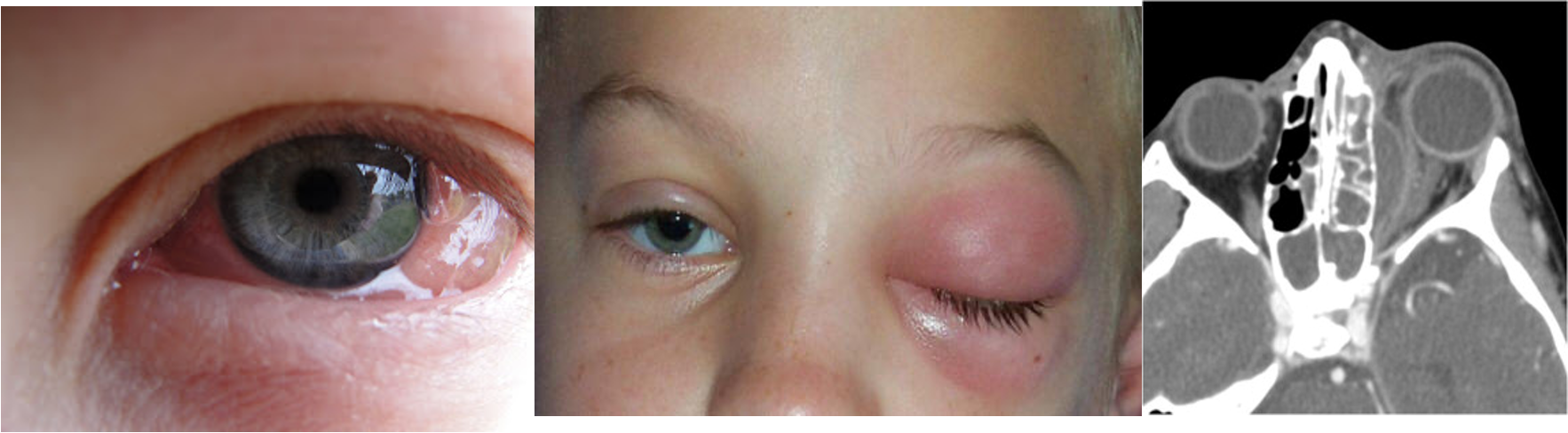
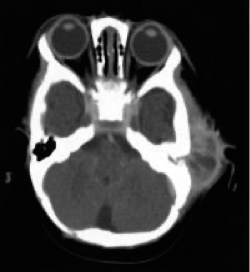
Orbital Cellulitis
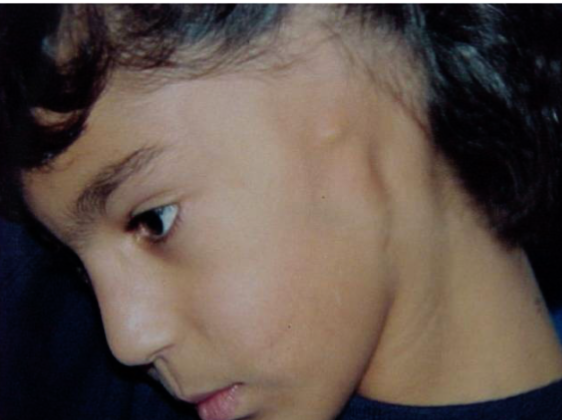
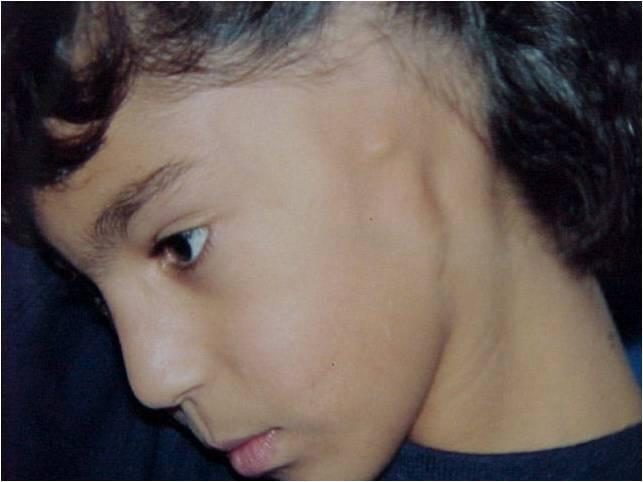
- Question: 7 years old with acute sinusitis. Presented with this picture.
- Answer:
- A- What’s the radiological investigation you will ask for?
- CT scan
- B- How to manage?
- IV antibiotics, I/D if abscess is present
- A- What’s the radiological investigation you will ask for?
Chronic Rhinosinusitis
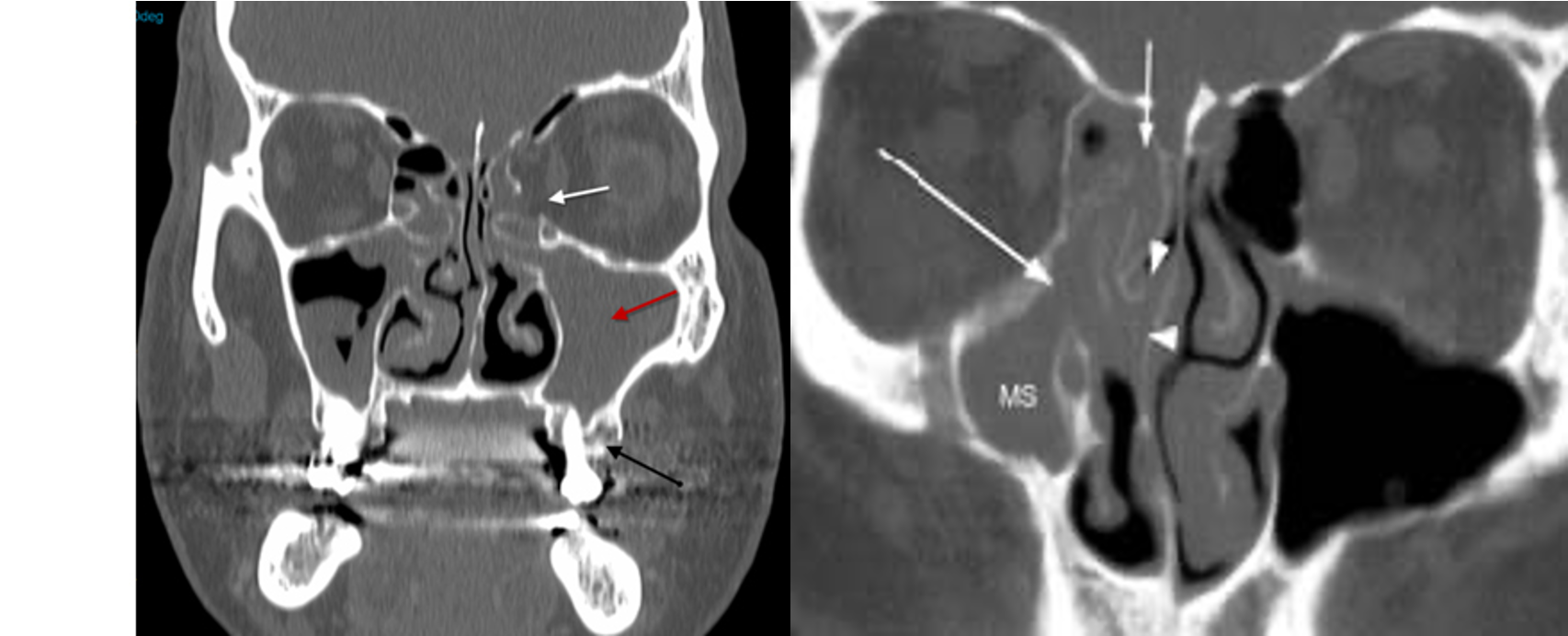 involved maxillary, ethmoid
Fungal sinusitis
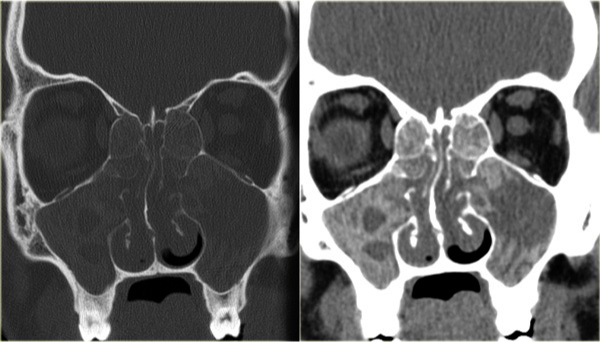 heterogenous color, differences is fungal
management is conservative; nasal spray, irrigation - no antifungals
heterogenous color, differences is fungal
management is conservative; nasal spray, irrigation - no antifungals
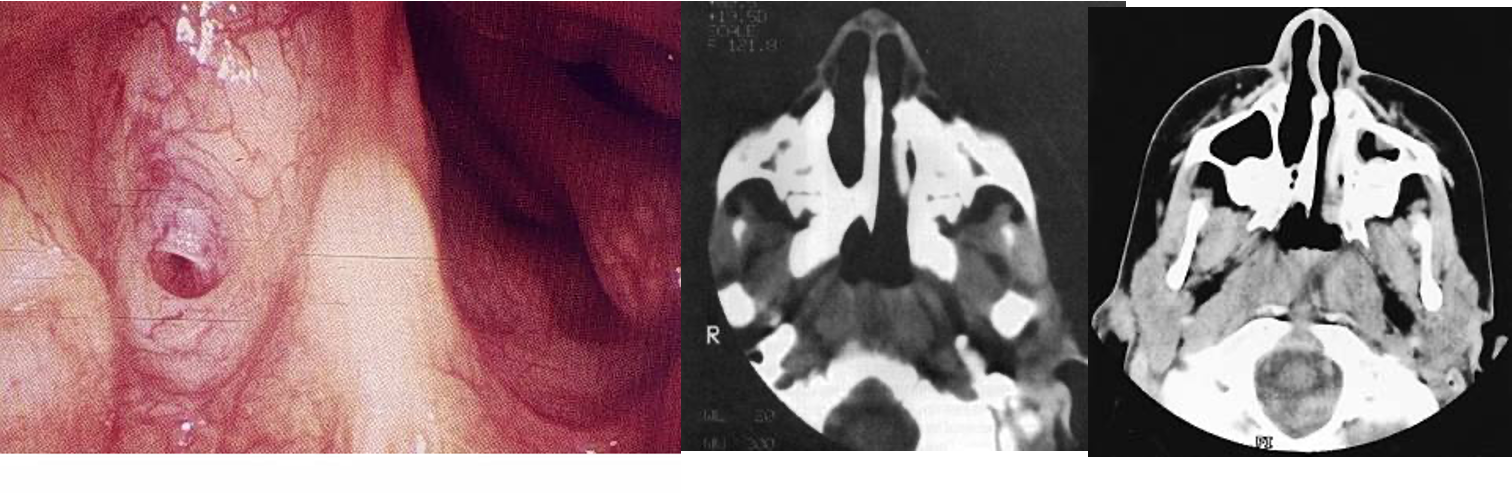
Bilateral Choanal Atresia
A newborn baby presented with cyclical cyanosis immediately after delivery, with an inability to pass nasal suctioning in both nostrils for more than 5 cm. - Diagnosis: Bilateral Choanal atresia. - Initial Emergency Management: Oral Airway.
A patient delivered a few minutes prior presented with cyclical cyanosis and desaturation that improved with crying. A size 6 French catheter could not be advanced more than 5 cm. - Diagnosis: Bilateral choanal atresia. - Confirmation: CT scan.
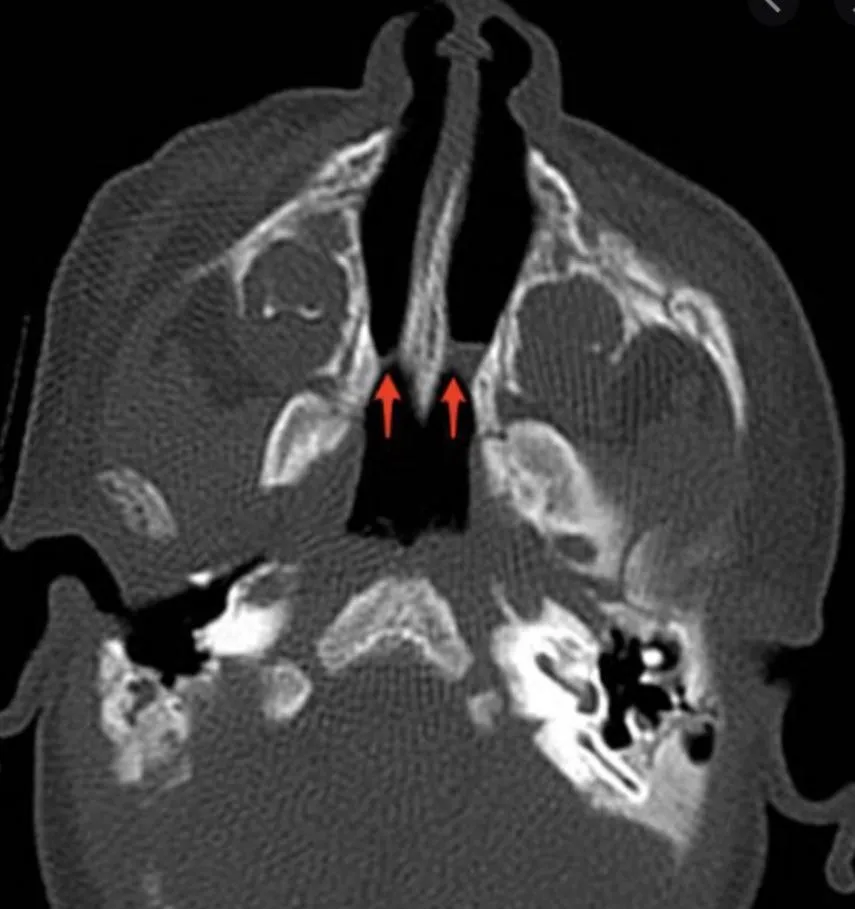
Unilateral Choanal Atresia
- Usually diagnosed late in life
- Presents by unilateral nasal obstruction and unilateral mucoid nasal discharge
- Treatment is by elective surgical repair
Deviated septum
Foreign body

To be initiated on clinical suspicion
- Bronchoscopy: in most cases
- Bronchotomy
- Pulmonary resection
Mastoiditis / Acute mastoiditis
- CT scan of temporal bones
- Ear swab for culture and sensitivity
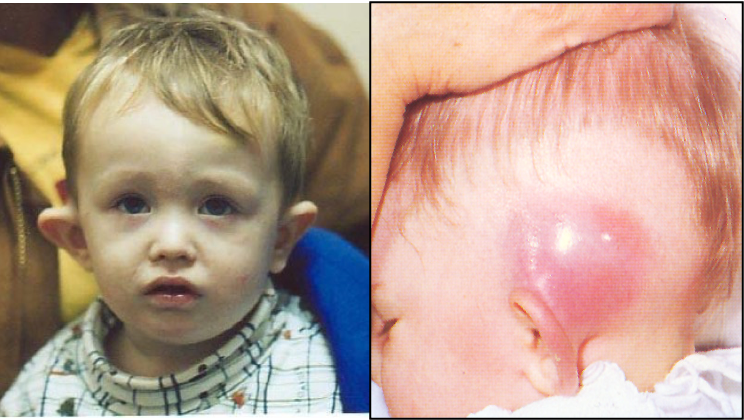
Treatment
- Medical treatment:
- Hospitalization
- Antibiotics
- Analgesics
- Surgical treatment:
- Myringotomy
- Cortical mastoidectomy
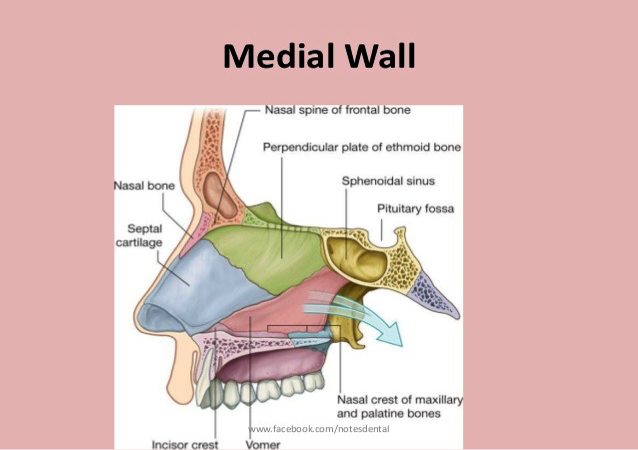
The Medial Wall (Nasal Septum)
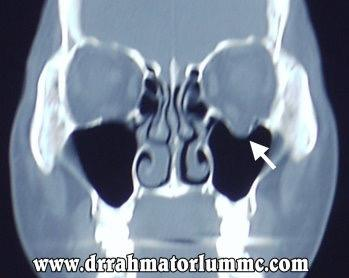
Blow Out Fracture
- Case 15: Patient presented after trauma.
- Diagnosis: Blow out fracture.
- Restricted Eye Gaze: Upward gaze.
- Radiological Sign: Tear drop sign.
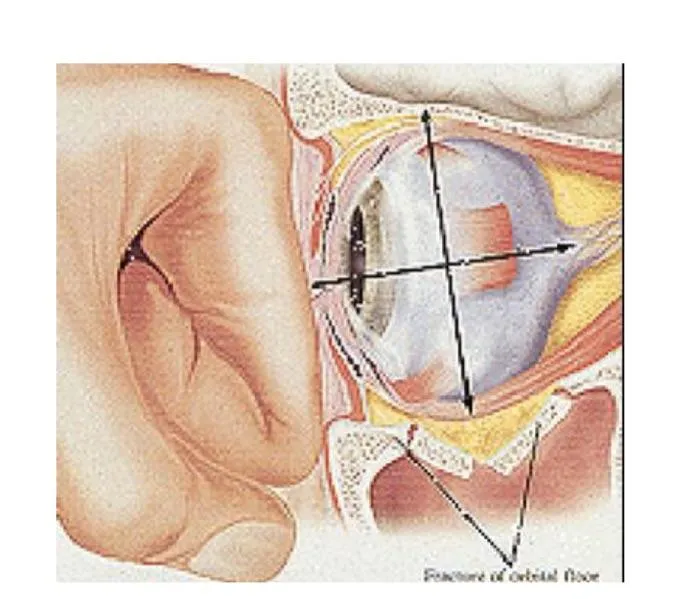 An 18-year-old male sustained trauma to his eye anteriorly.


Pathognomonic CT Finding
- Tear drop sign.
Mechanism of Trauma
- Blowout fracture due to injury of the maxillary sinus.

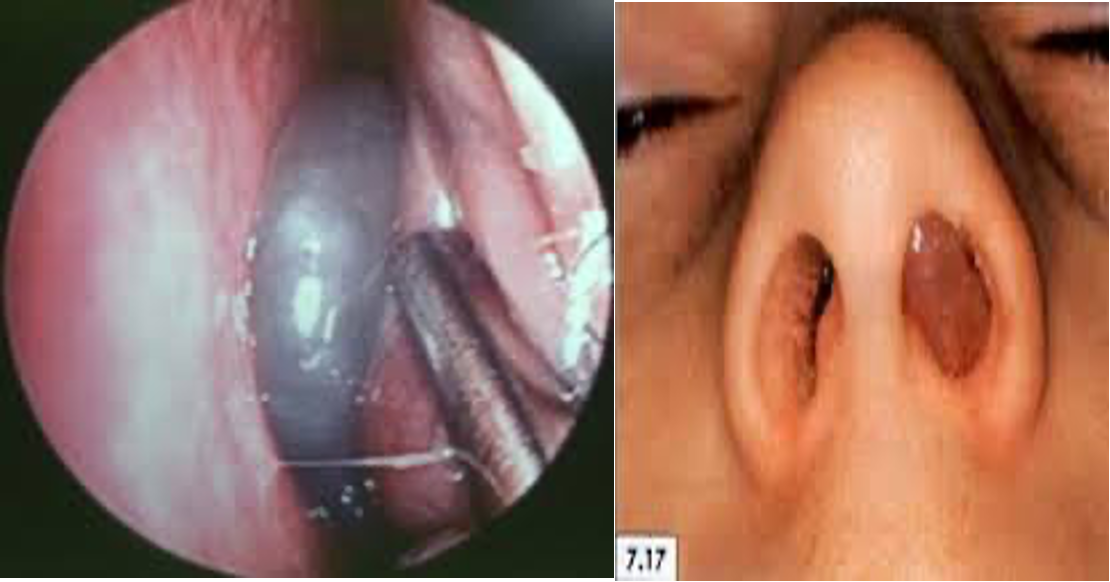
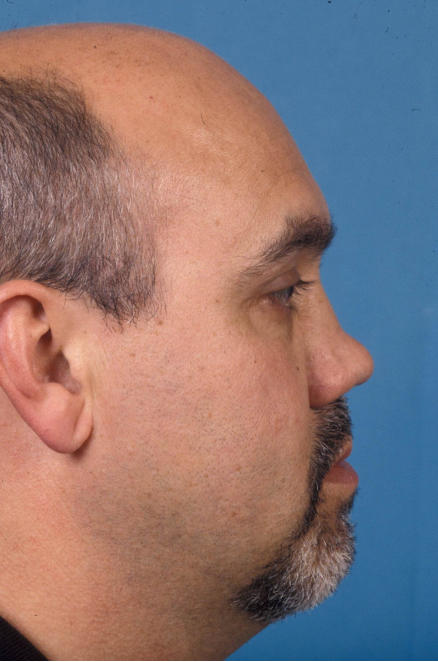
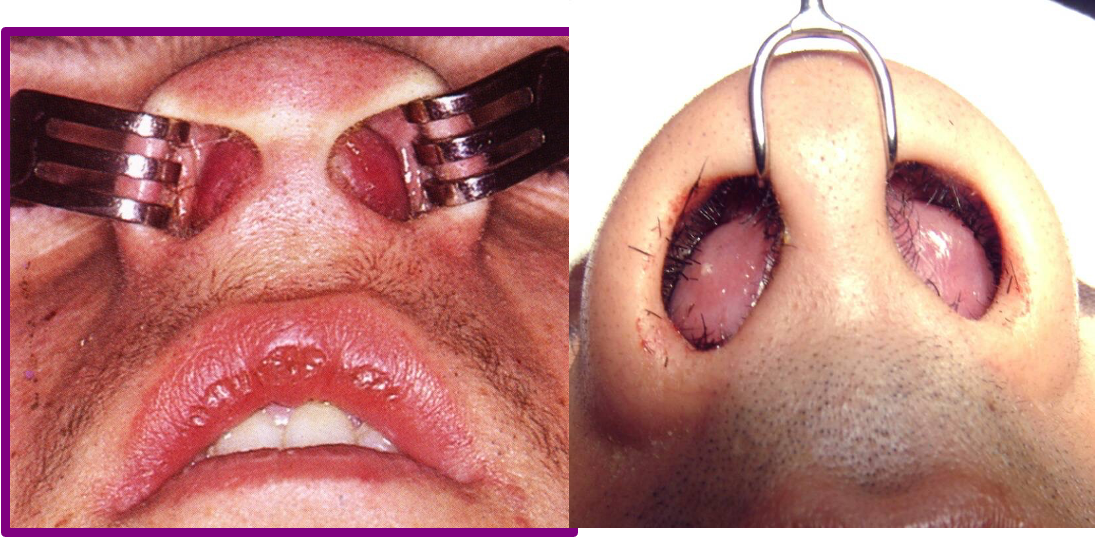
Septal Hematoma
- Case 14: Nasal obstruction after nasal trauma.
- Diagnosis: Septal hematoma.
- Management: Immediate incision & drainage.

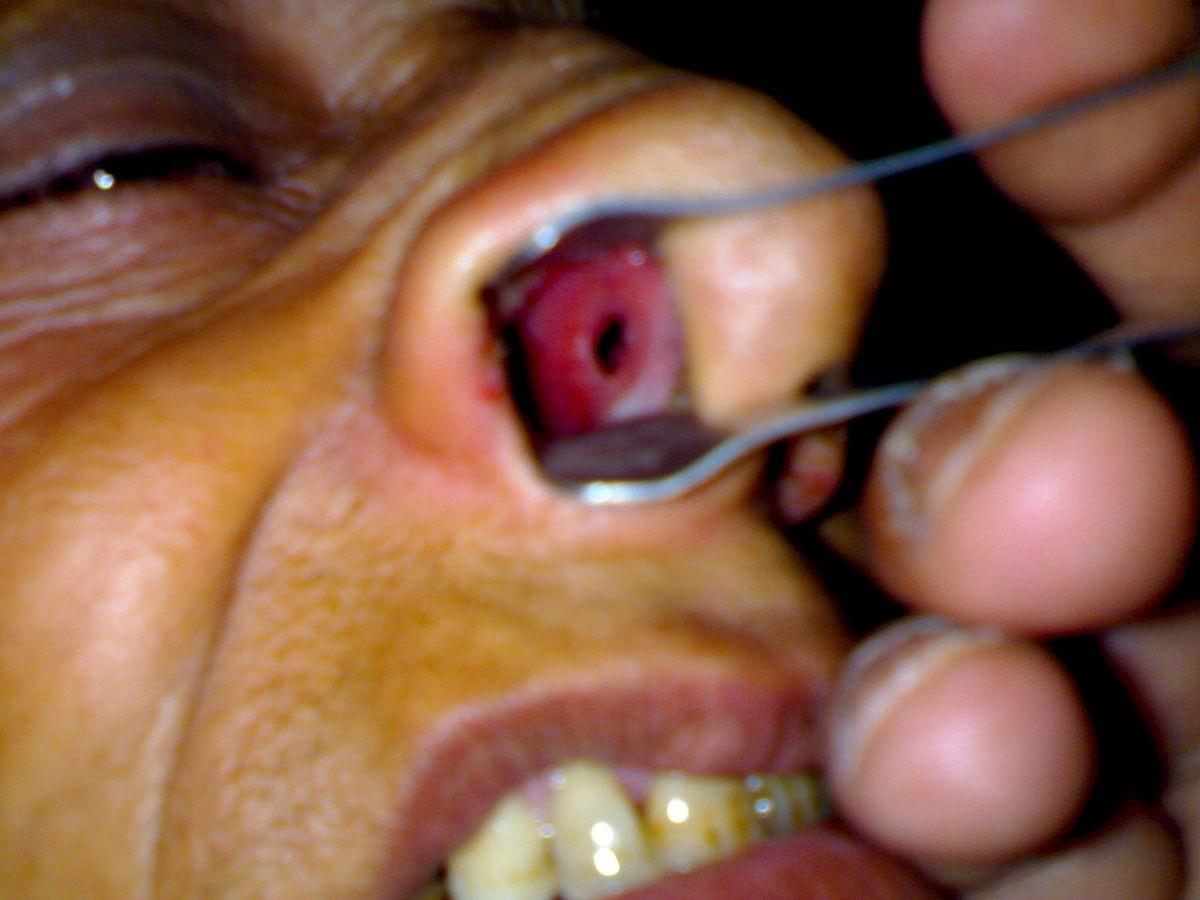
Post-Nasal Surgery Complication
Introduction
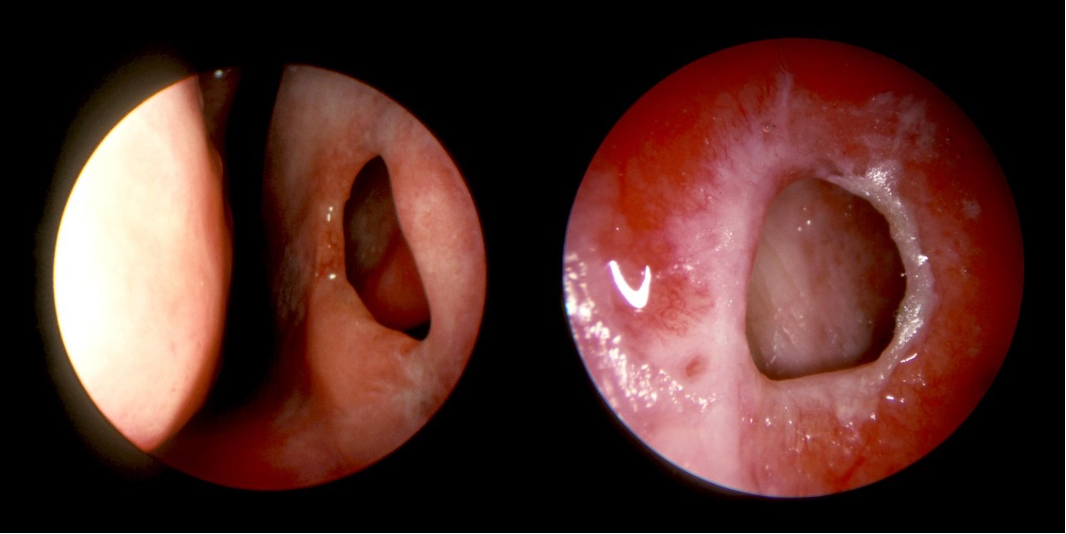
A 40-year-old male post-nasal surgery with a whistling sound, crusting and epistaxis in the nose. Anterior rhinoscopy is shown.
Diagnosis
- Septal Perforation.
Common Cause
- It’s a complication of Septoplasty due to surgical trauma or pricking.

Treatment
- No treatment
- Nasal wash
- Surgical repair
- Insertion of silicon “button”


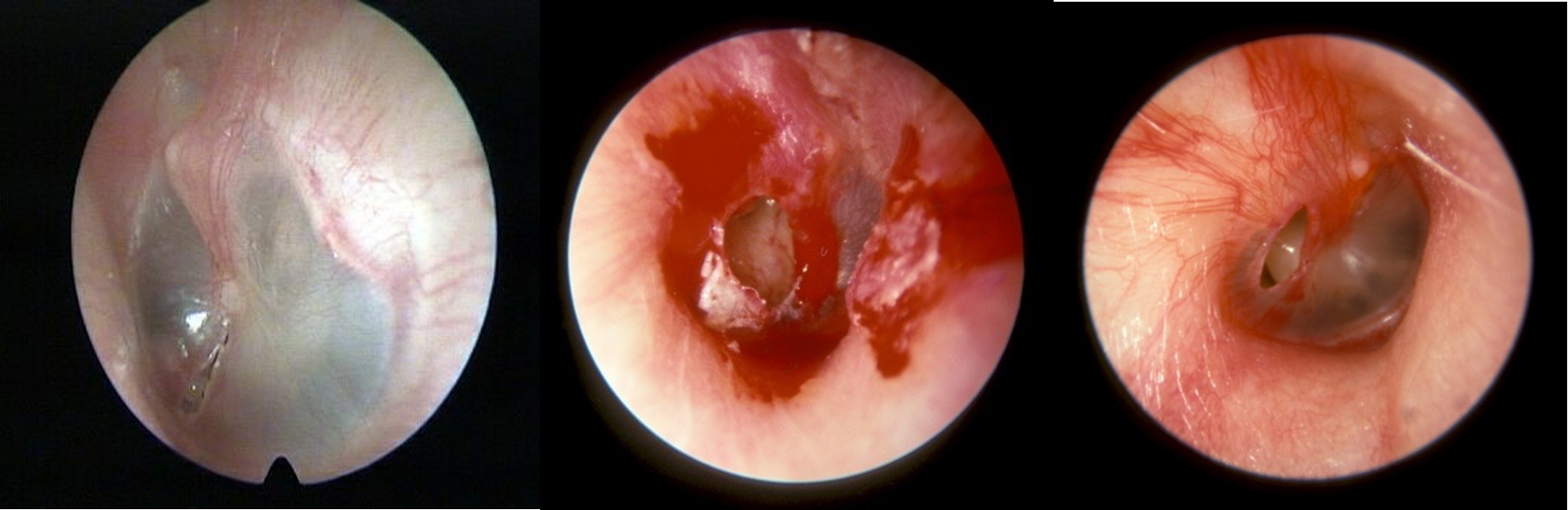
Traumatic TM Perforation
Presentation
- History of trauma
- Earache
- Deafness
- Bloody otorrhea
Treatment of Traumatic TM Perforation
- Observation
- Most cases heal spontaneously
- No suction, no drops & no water
- Elective myringoplasty
Conductive, type B
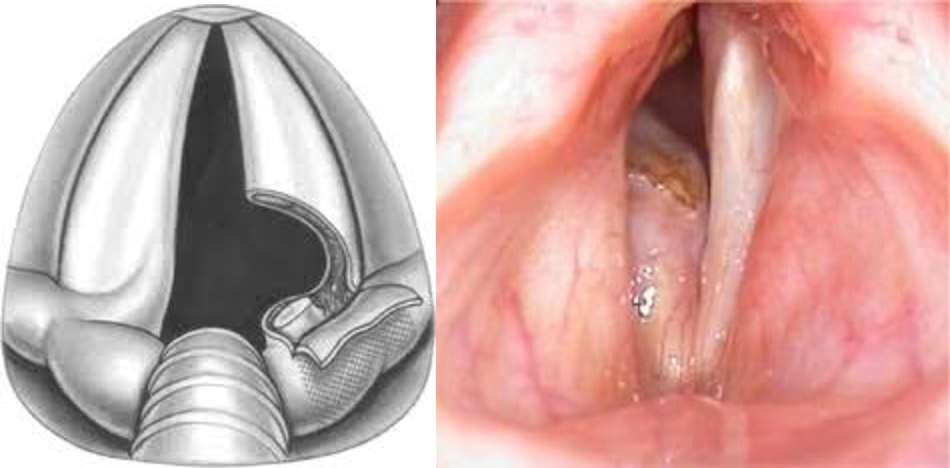
Arytenoidectomy
abduction paralysis lateralization or arytenoidectomy
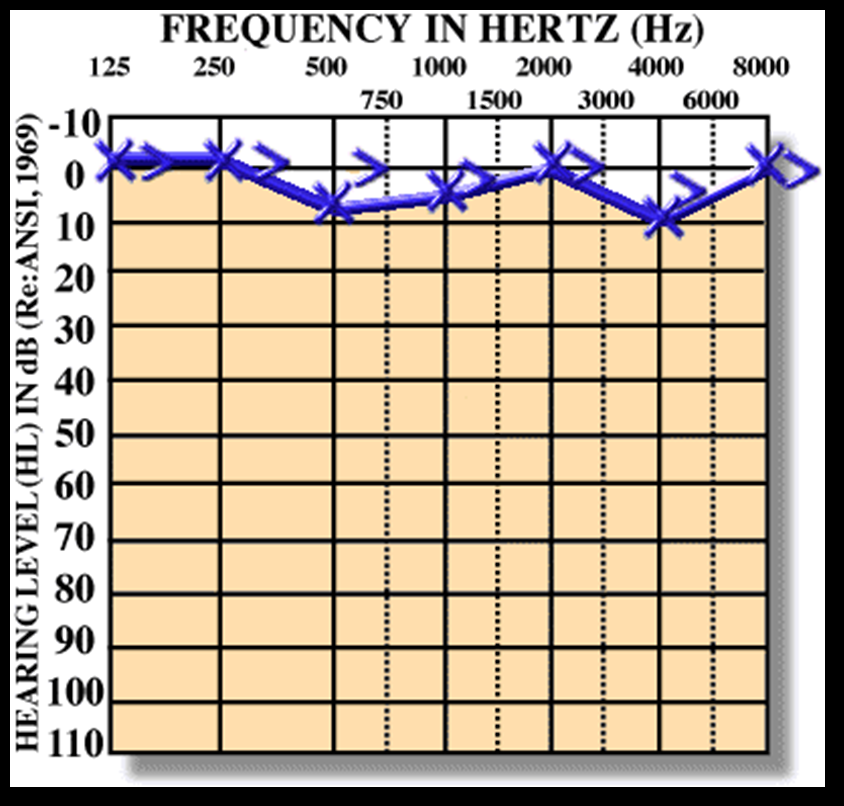
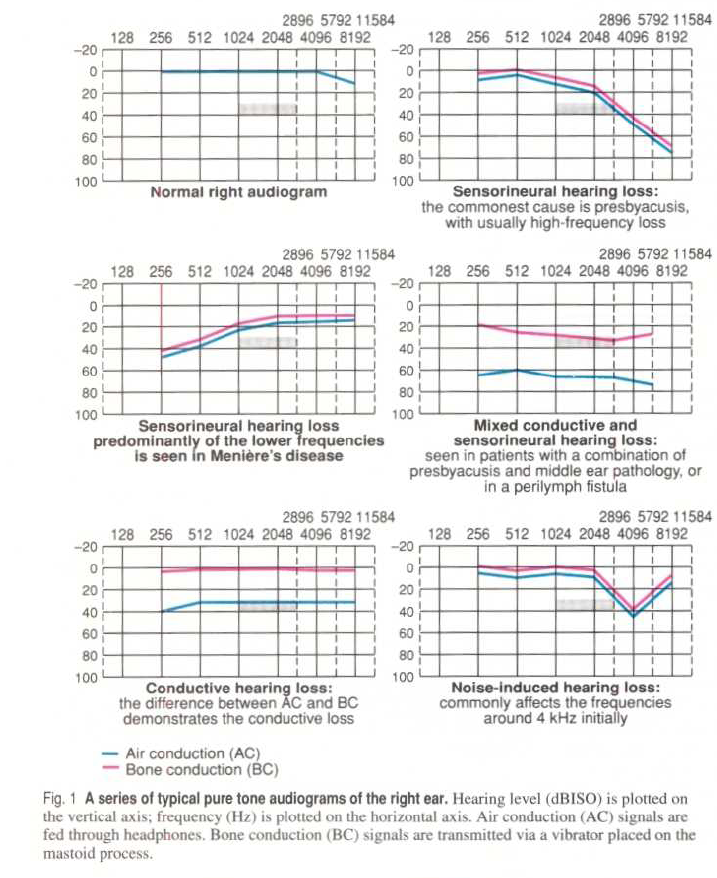
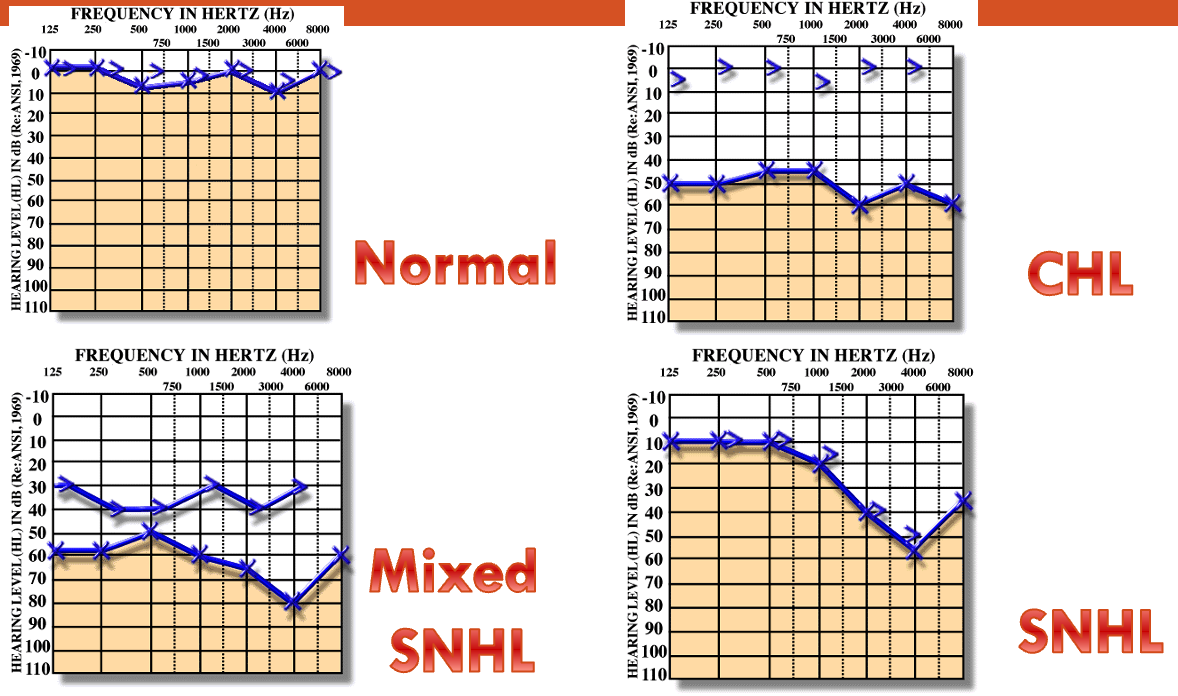
Types of Hearing Loss Z
- Normal Hearing
- positive renne, negative = conductive
 Conductive Hearing Loss
 - Causes in external ear, TM, or middle ear
- Air decreased, Air-Bone gap present
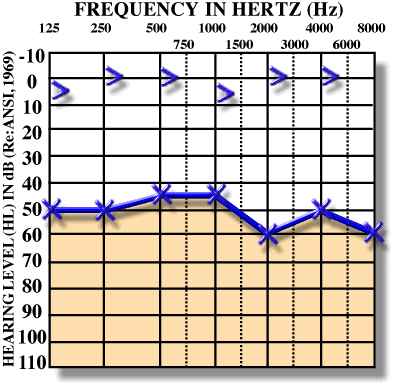 bone conduction negative renne weber (osteosclerosis, cholestestoma)
- positive renne, negative = conductive
Sensorineural Hearing Loss
- Causes in inner ear, acoustic nerve, or central
- Both Air and Bone decreased, no Air-Bone gap
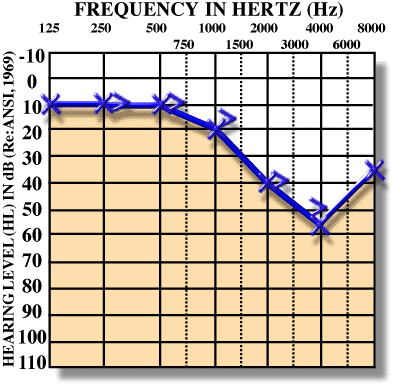
Mixed Hearing Loss
- Both Air and Bone decreased, Air-Bone gap present
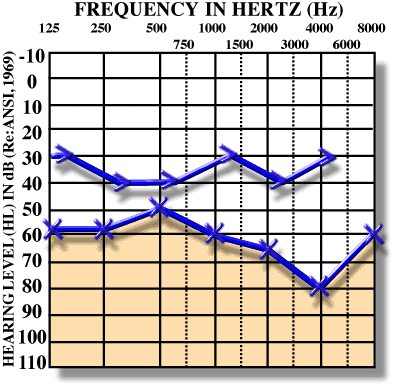 old age with perforation, meinner disease with wax.
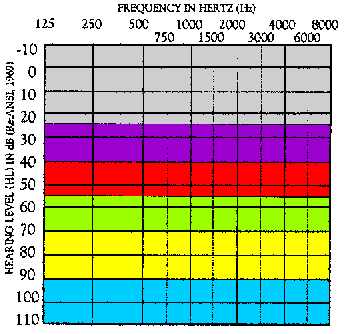
Degree of Hearing Loss
- -10 – 25 dB HL = Normal range
- 26 – 40 dB HL = Mild hearing loss
- 41 – 55 dB HL = Moderate
- 56 – 70 dB HL = Moderately Severe
- 71 – 90 dB HL = Severe
- Greater than 90 dB HL = Profound
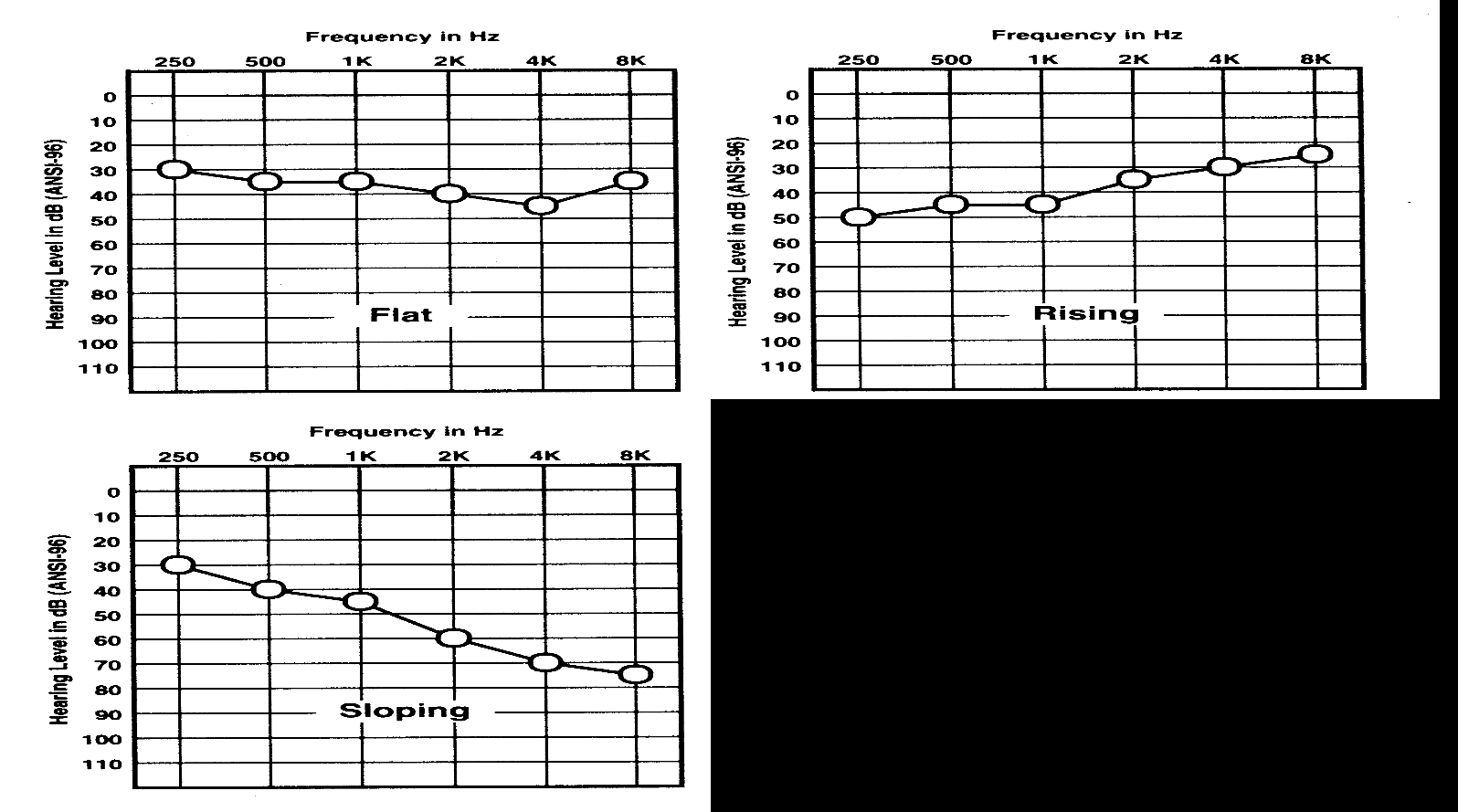
Configuration of Hearing Loss
- Rising
- Flat
- Sloping
Noise-Induced Hearing Loss
- Maximum around 4kHz (notch)
- May have tinnitus but may be subclinical
- One side may be more affected than the other

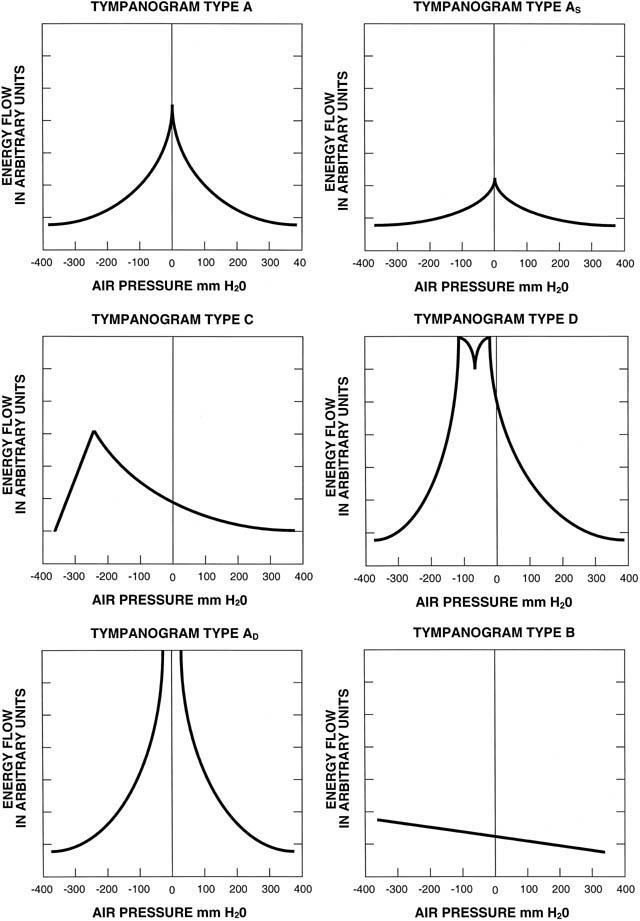
Types of Tympanogram Z
- Type A: Normal, inverted V near zero pressure.
- Type As: Reduced compliance pressure (otosclerosis).
- Type Ad: Increased compliance (ossicular discontinuity).
- Type B: Flat, indicating middle ear effusion or perforation.
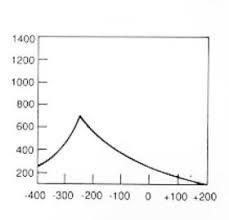
- Type C: Maximum compliance beyond -100 mmH2O indicating Eustachian tube dysfunction.
Slideshows
Anatomy
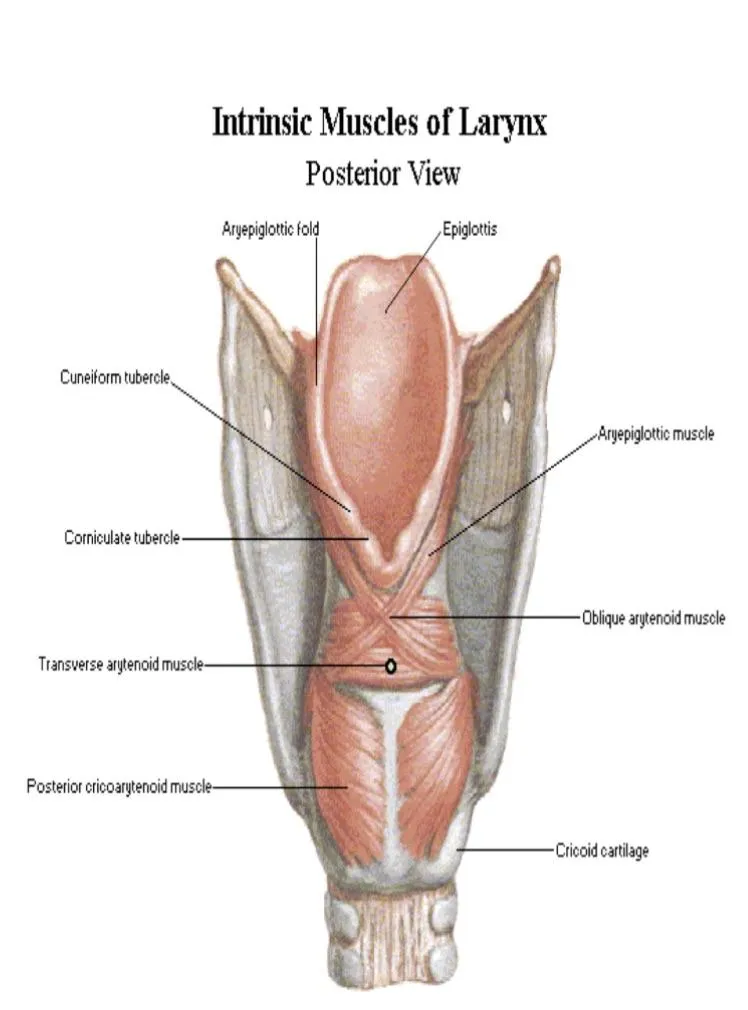
- Abductor Muscle: Posterior Cricoarytenoid.
- Innervation: All intrinsic laryngeal muscles are innervated by the recurrent laryngeal nerve except for the Cricothyroid.
Structures
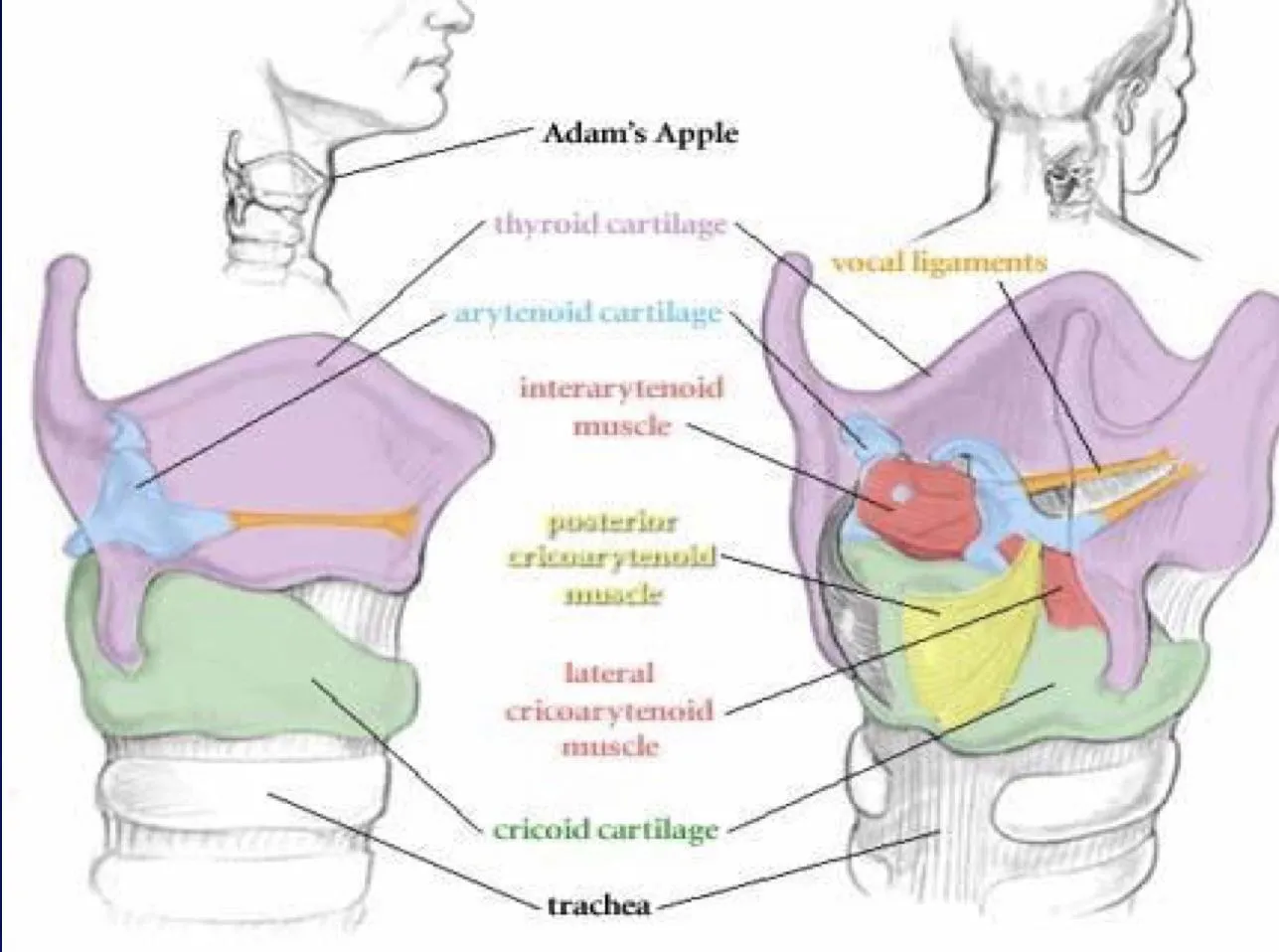 - Adam’s Apple
- Thyroid cartilage
- Vocal ligaments
- Arytenoid cartilage
- Interarytenoid muscle
- Posterior cricoarytenoid muscle
- Lateral cricoarytenoid muscle
- Cricoid cartilage
- Trachea
- Adam’s Apple
- Thyroid cartilage
- Vocal ligaments
- Arytenoid cartilage
- Interarytenoid muscle
- Posterior cricoarytenoid muscle
- Lateral cricoarytenoid muscle
- Cricoid cartilage
- Trachea
Pharynx
Structures
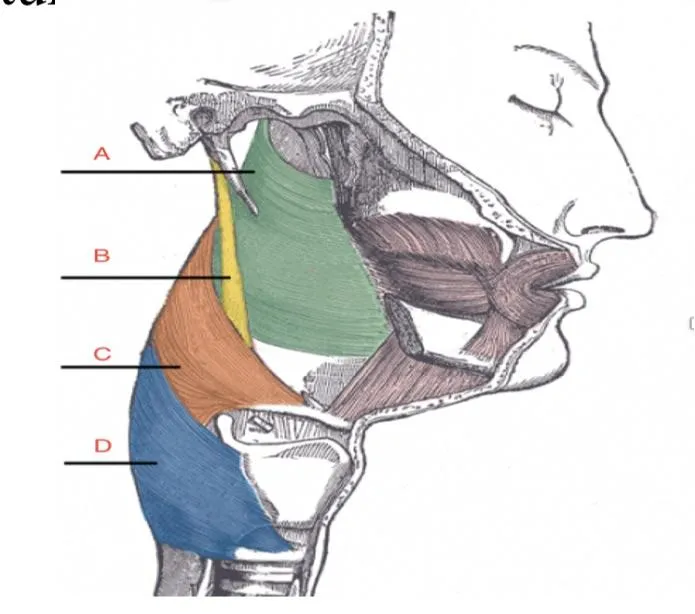
- Question: Name the structures for normal anatomy.
- Answer:
- A- Name structure A
- Superior constrictor
- B- Name structure B
- Stylopharyngeus
- C- Name structure C
- Middle constrictor
- D- Name structure D
- Inferior constrictor
- A- Name structure A
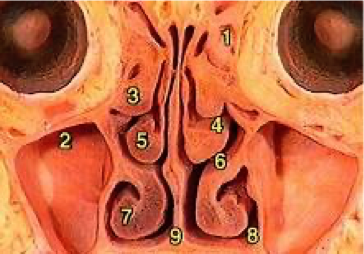
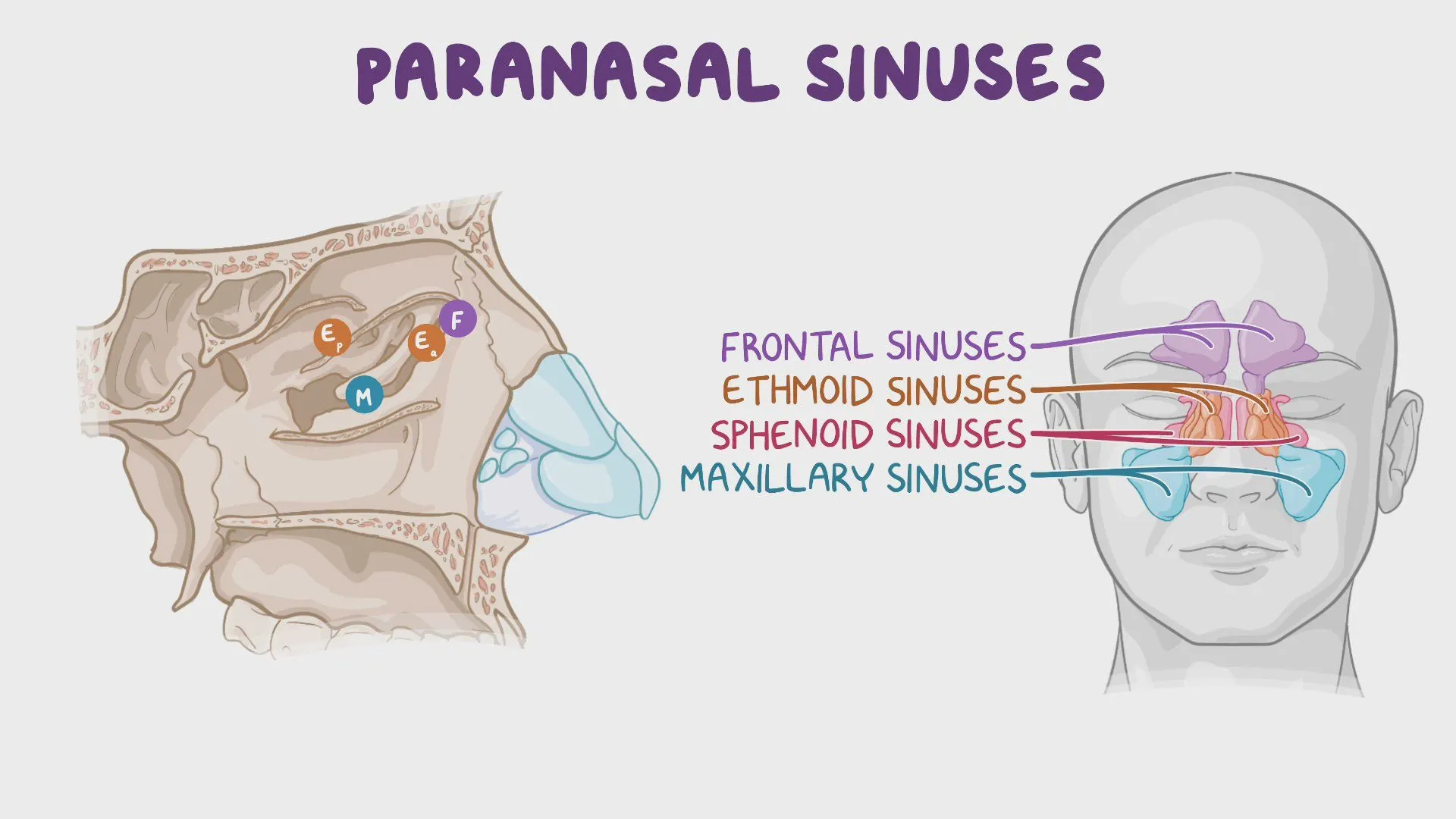
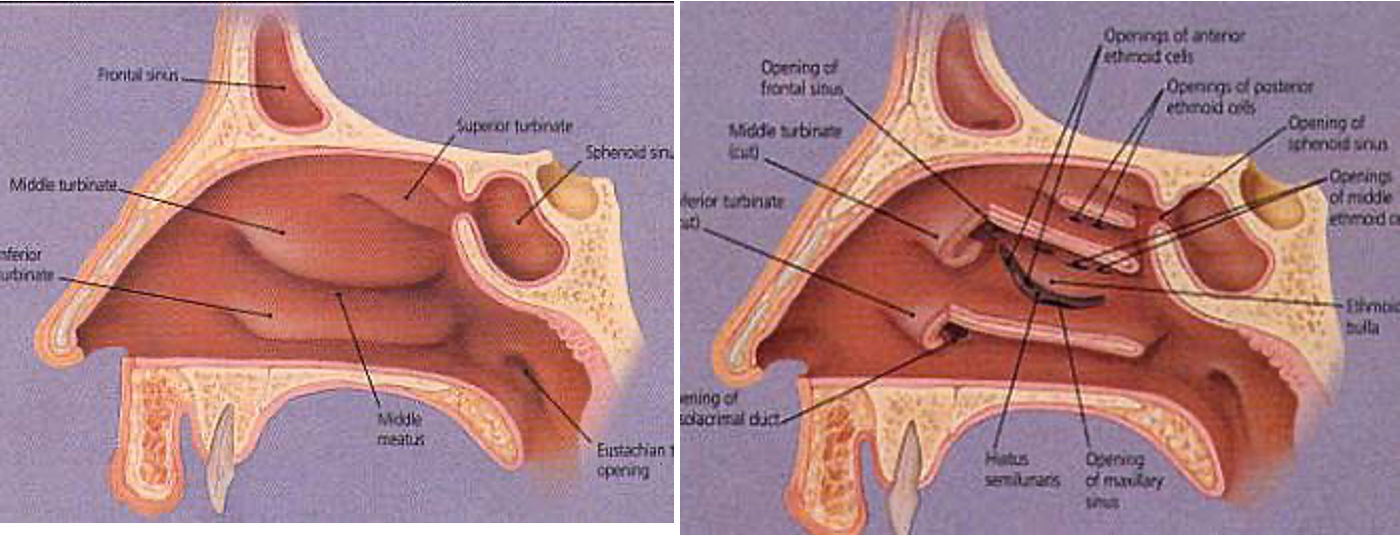
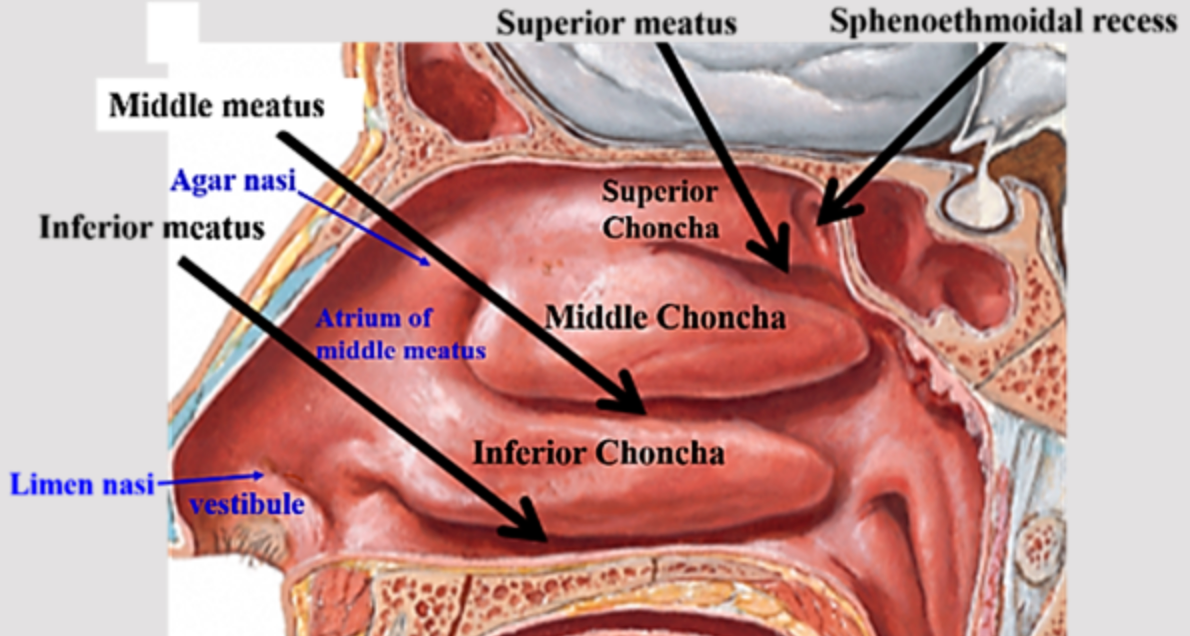
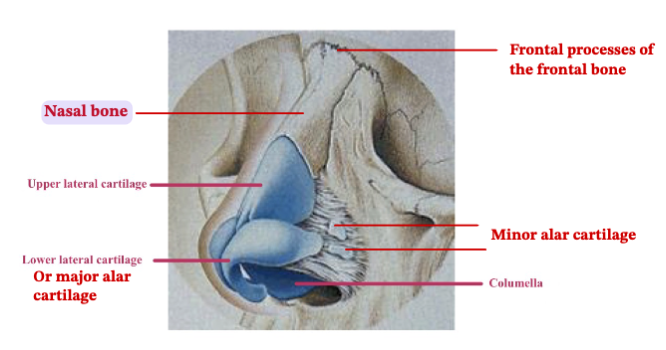
Nasal Anatomy
Structures
Ear
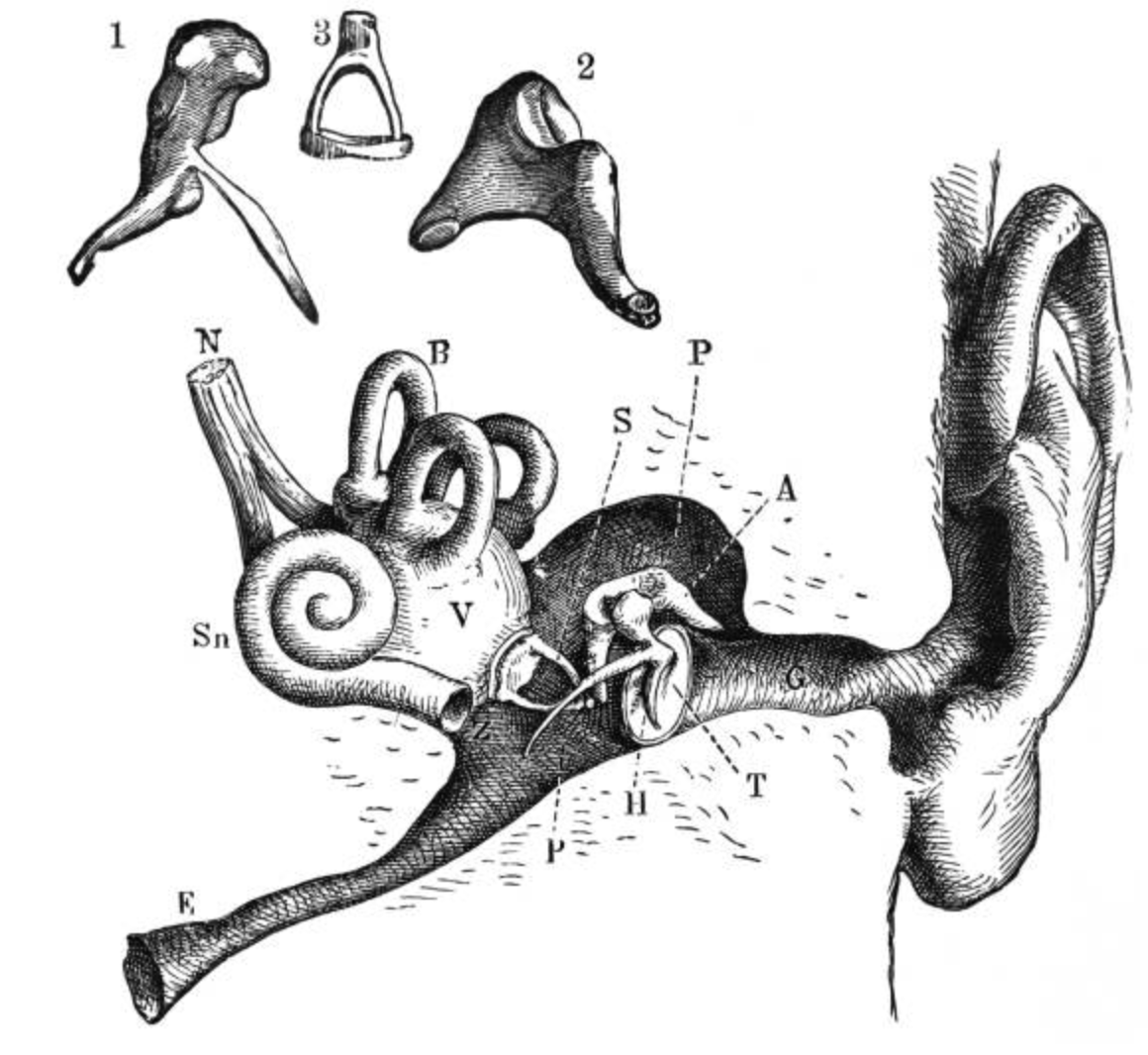
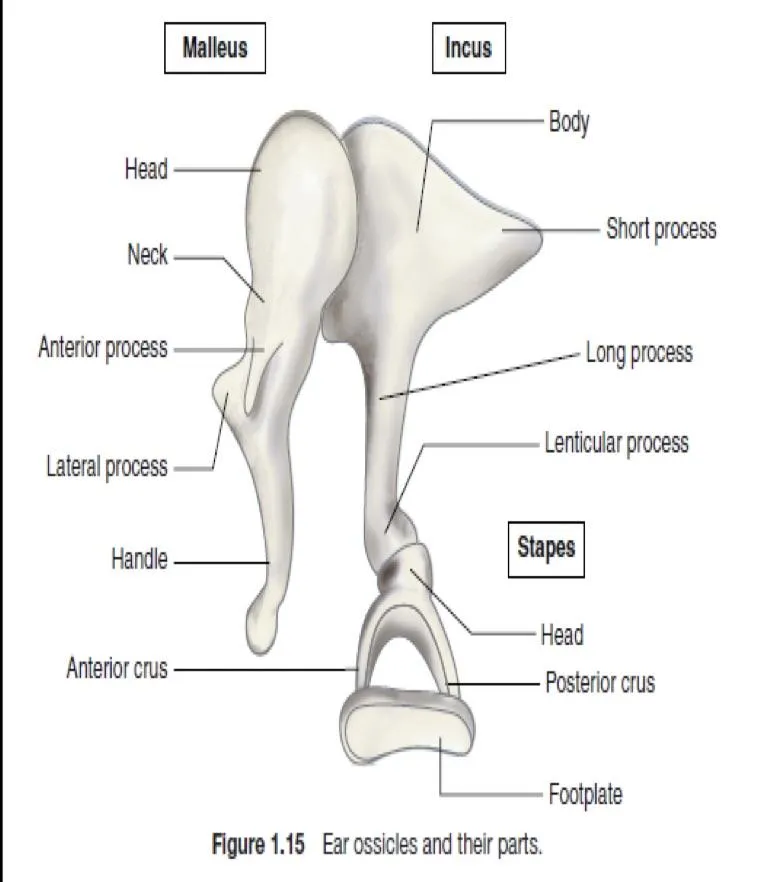
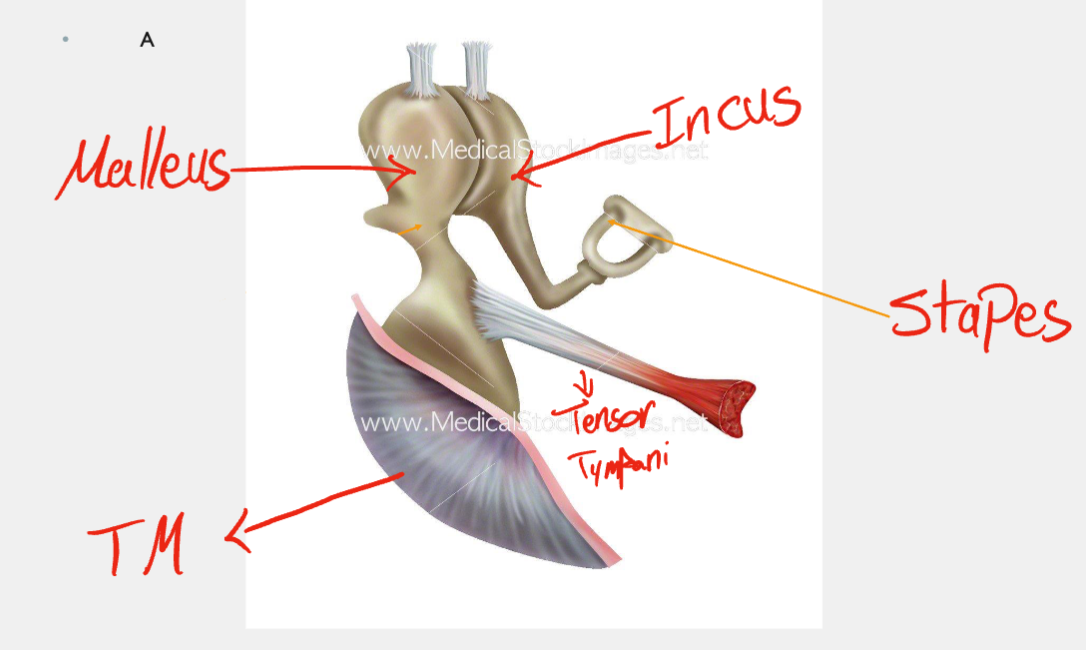
Ossicles and Parts
 `
`
- Malleus: Head, Neck, Anterior process, Lateral process, Handle
- Incus: Body, Short process, Long process, Lenticular process
- Stapes: Head, Anterior crus, Posterior crus, Footplate
Ossicles
- Malleus
- Incus
- Stapes
- TM (Tympanic Membrane)
- Tensor Tympani
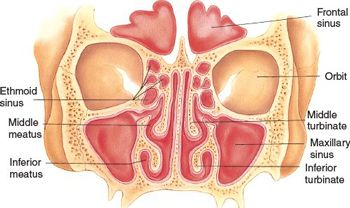
Endoscopic Sinus Surgery Planning
Introduction
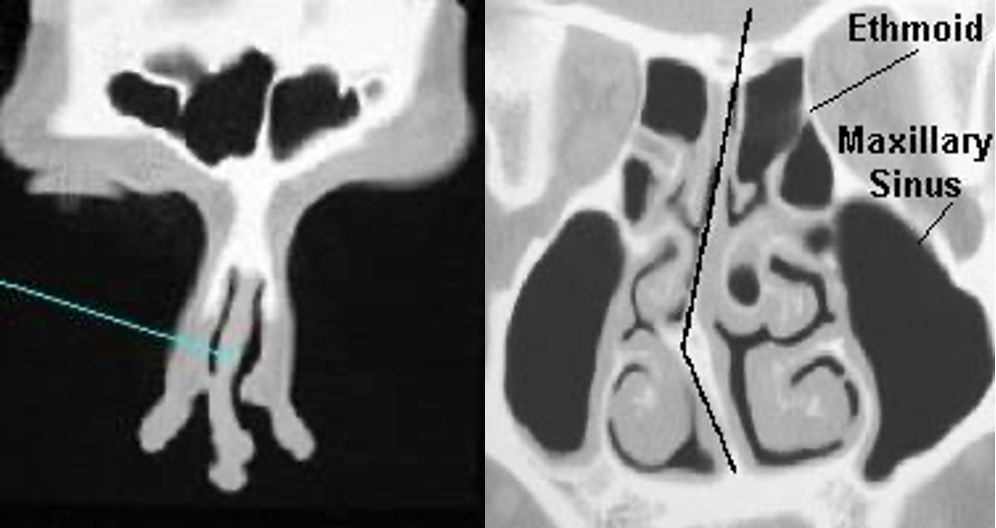
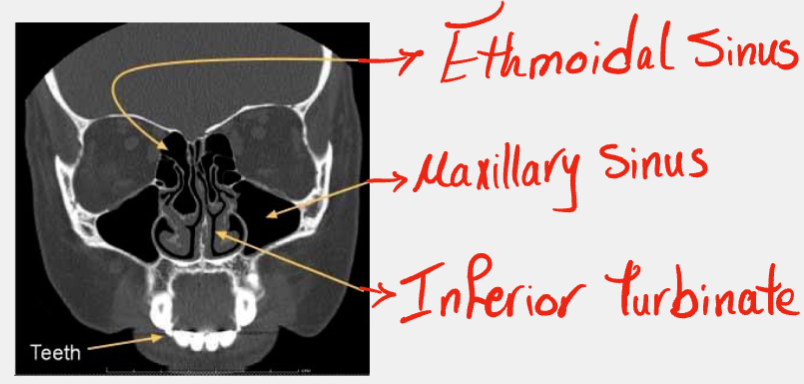
Before proceeding for endoscopic sinus surgery, the surgeon reviews the CT scan for a 33-year-old female with facial pain and nasal obstruction unresponsive to maximal medical therapy.
Structures in the Scan
- A: Ethmoidal Sinus
- B: Maxillary Sinus
- Inferior Turbinate
Structures of the External Ear
Introduction
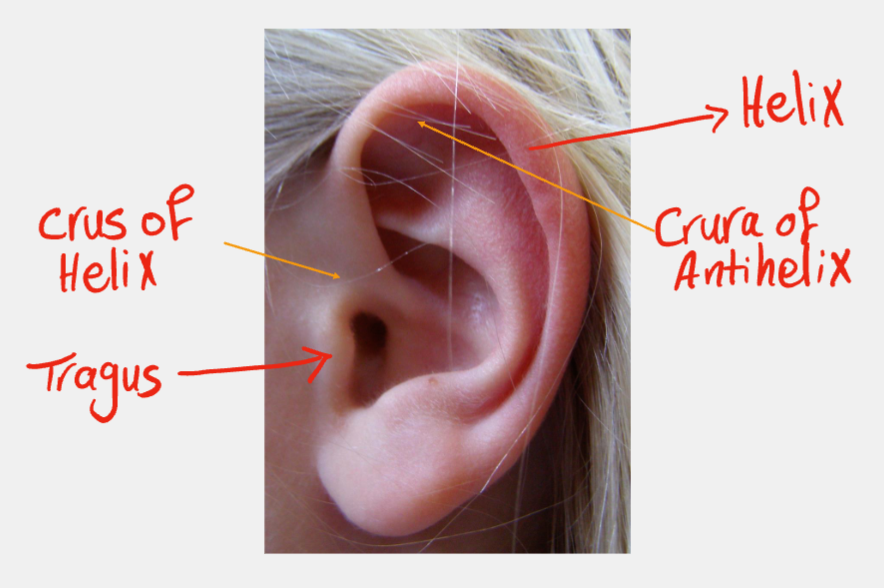
Identifying the structures of the external ear.
Structures
- Helix
- Crus of Helix
- Crura of Antihelix
- Tragus
Audiology and Hearing Loss
- Q&A:
- Causes: Otosclerosis, ossicular discontinuity, middle ear tumor.
- Investigations: Tympanometry.
- Management: Hearing aids, stapedectomy (for otosclerosis).
- A- What type of hearing loss?
- Conductive hearing loss
- B- Give two differential diagnosis?
- Chronic otitis media, acute otitis media, mass in medial ear, wax, cholesteatoma
Otosclerosis in Pregnancy
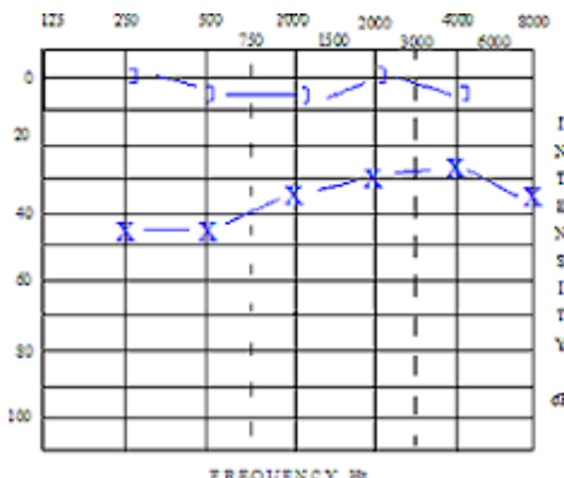
A 32-year-old pregnant lady presented with deteriorating pre-existing hearing loss.
Diagnosis
- Otosclerosis.
Audiogram Findings
- Cahart’s notch is a characteristic finding.
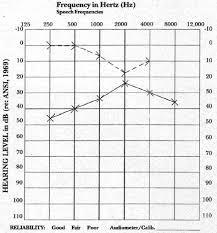
Unilateral Hearing Loss
A 22-year-old male with long-standing unilateral hearing loss.
Type and Severity of Hearing Loss
- Conductive hearing loss, moderate severity.
Rinne Test Finding
- Air conduction decreased and air-bone gap. Bone conduction is normal.
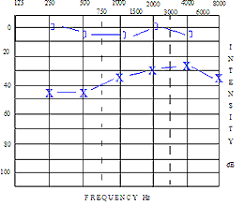
-
Sensorineural Hearing Loss:
- Symptoms: Vertigo, hearing loss, tinnitus, no discharge, no pain.
- Diagnosis: Meniere’s disease.
- Investigations: Tympanogram (Type A), pure tone audiometry.
- Characteristics: Low-frequency hearing loss.
- Weber Test: Lateralizes to the opposite side.
- Rinne Test: Positive.
- Management: Salt restriction, diuretics, steroids, surgery.
-
Facial Palsy Management:
- Eye care, steroids.
- Question:
- Answer:
- A- What is the type of tympanogram is this?
- Type Ad
- B- What could give this type of graph?
- Ossicular discontinuity
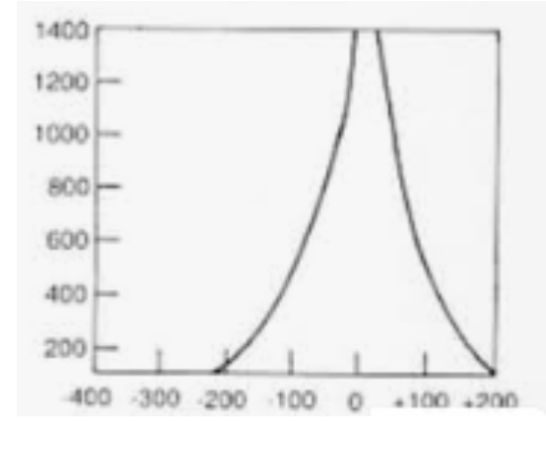
- Ossicular discontinuity
- A- What is the type of tympanogram is this?
Eustachian Tube Dysfunction
A 3-year-old child with a complaint of ear pain, with no history of fever and no hearing loss.
Type of Tympanogram
- Type C.
Associated Condition
- Indicates Eustachian tube dysfunction.
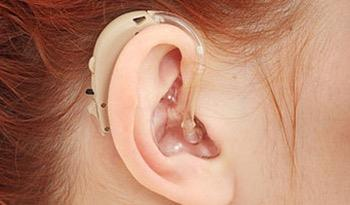
Hearing Device
Identifying a hearing device and its uses.
Diagnosis Profound hearing loss
Device
- Hearing Aid/Cochlear Implant.
Indications
- Bilateral SNHL (Sensorineural Hearing Loss) with PTA (Pure Tone Average).
- No appreciable benefit with hearing loss.
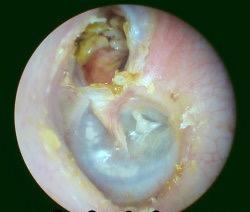
Chronic Suppurative Otitis Media (CSOM)
Introduction
A 17-year-old boy presented with a long history of scanty, foul-smelling discharge associated with on/off bleeding from the ear. Endoscopic findings are shown.
Type of Perforation
- Perforation in Pars Flaccida, attic perforation, indicating unsafe CSOM.
Treatment
- Water precaution, aural toilet, topical APX.
- For unsafe CSOM: Surgery (Tympanoplasty + mastoidectomy).
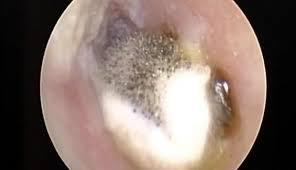
Case: Otomycosis
A 72-year-old diabetic male presented with itching in the ear. The endoscopic view of the ear is shown.
Diagnosis
- Otomycosis (likely Aspergillus nigricans).
Treatment
- Anti-fungal drops + Suction and cleaning.
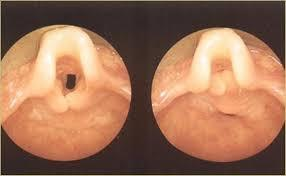
Laryngomalacia
A 6-month-old child presented with a 3-month history of stridor, increasing with exertion and feeding, and improving in the prone position. No choking or cyanosis was observed. - Diagnosis: Laryngomalacia. - Management of Mild Cases: Observation. - Gold Standard Diagnostic Tool: Fiber-optic scope. - Type of Stridor: Inspiratory stridor. - Indication for Surgical Intervention: Failure to thrive.
Peritonsillar Abscess
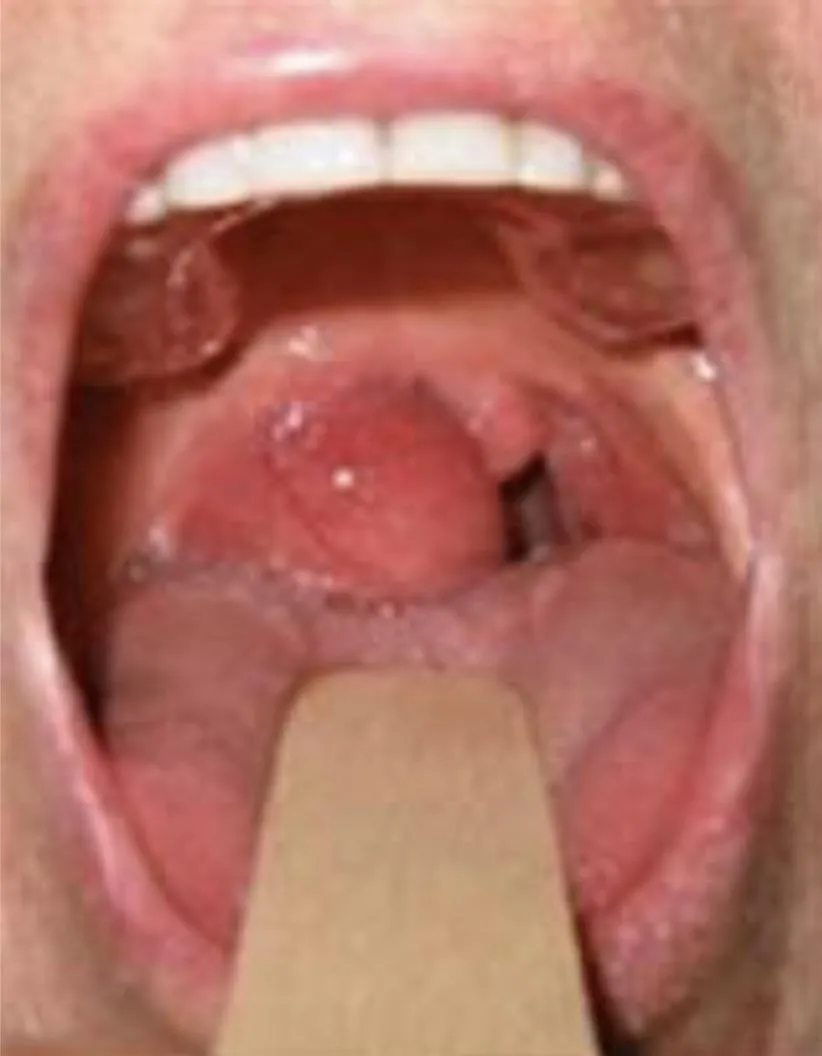
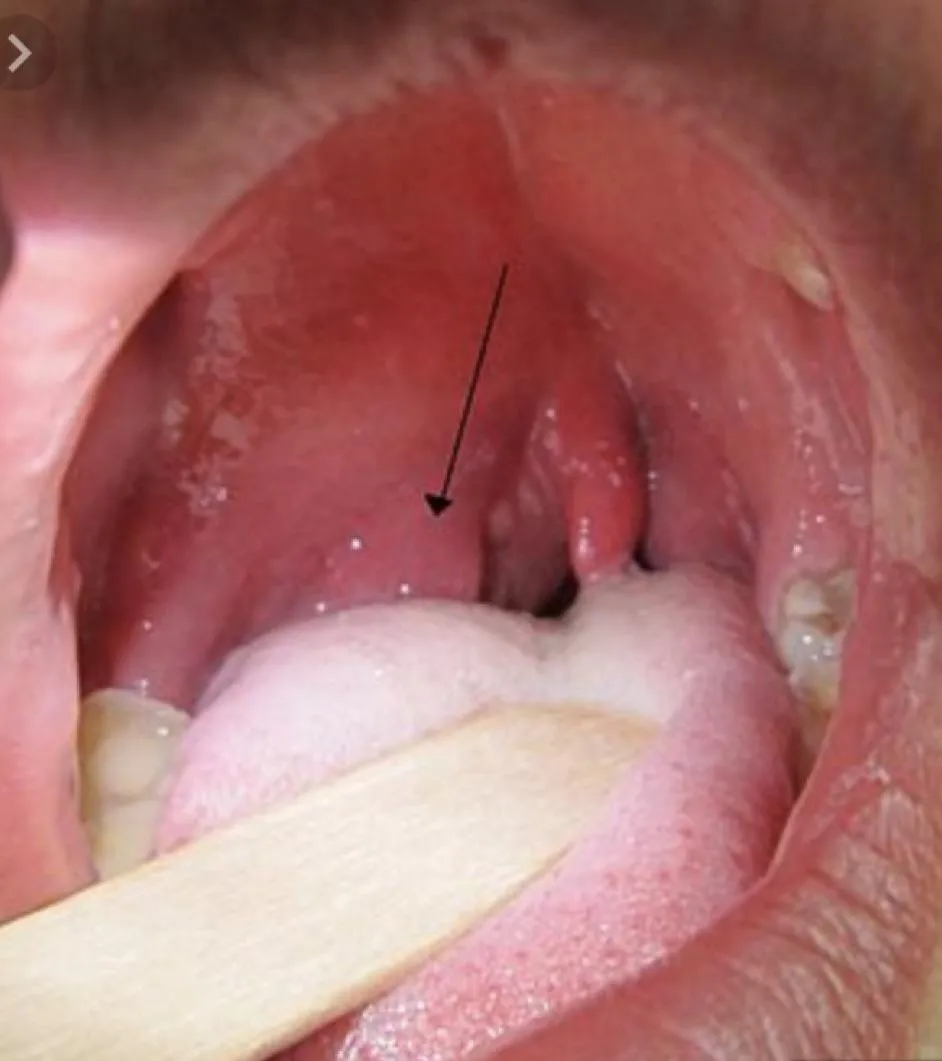
A 25-year-old male presented with a 3-day history of odynophagia and fever, having had an incomplete course of antibiotics 2 weeks prior. - Diagnosis: Peritonsillar Abscess. right side - Definitive Management: - I.V APX, I/D, Aspiration, later tonsillectomy.
A 25-year-old male presented with a 1-week history of odynophagia and fever, managed with paracetamol. He developed severe pain, high-grade fever, and a “hot potato” voice.
- Diagnosis: Peritonsillar abscess. right side
- Complications if Left Untreated: Sepsis, retropharyngeal abscess, parapharyngeal abscess, aspiration pneumonia.
Subglottic Stenosis
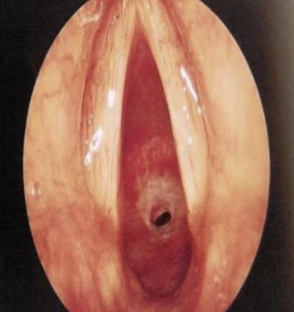
An 18-month-old premature child with a history of NICU admission and intubation for 3 months post-delivery presented with continuous stridor and difficulty sleeping. - Diagnosis: Subglottic stenosis. - Grade: Grade III.
- An 8-month-old baby, post-open heart surgery at 1 month and intubated for 1 week post-operatively, presented with stridor.
- Diagnosis: Subglottic stenosis.
- Expected Stridor Type: Biphasic.
Epiglottitis
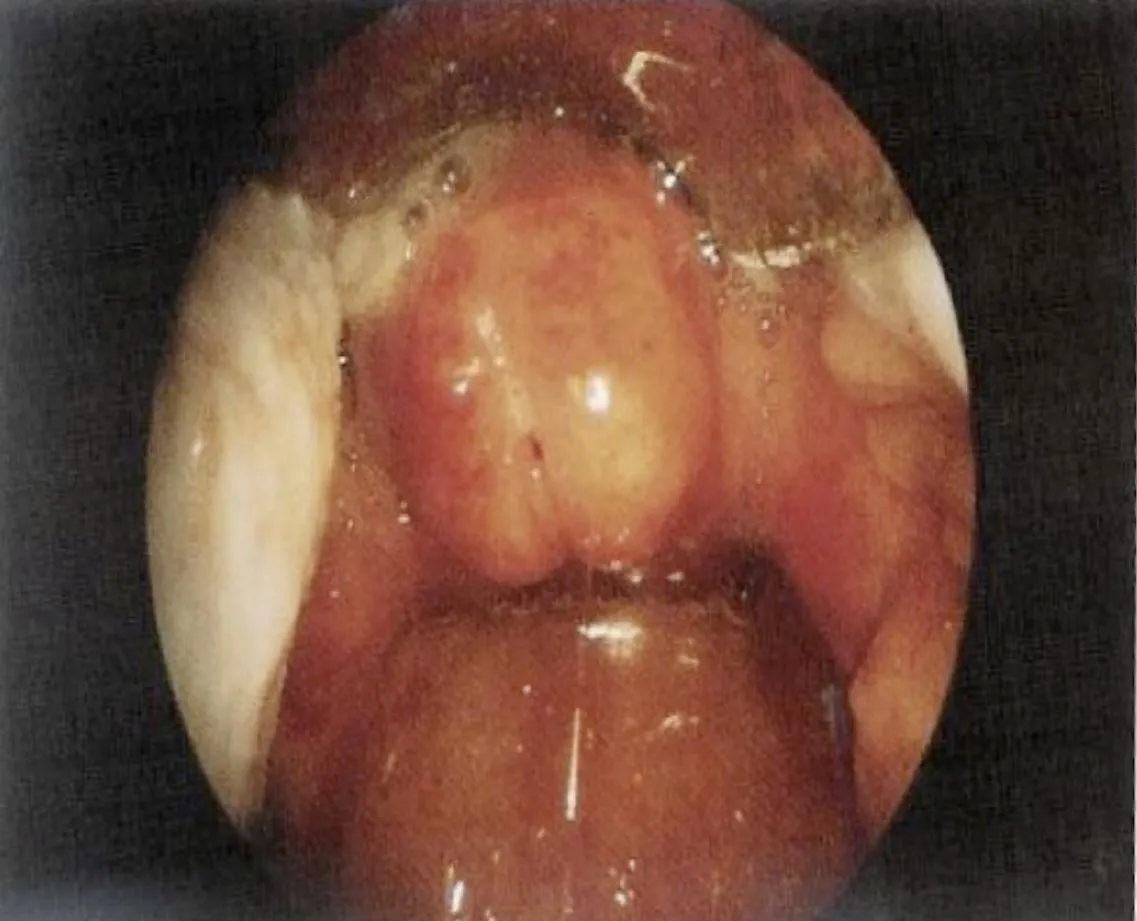
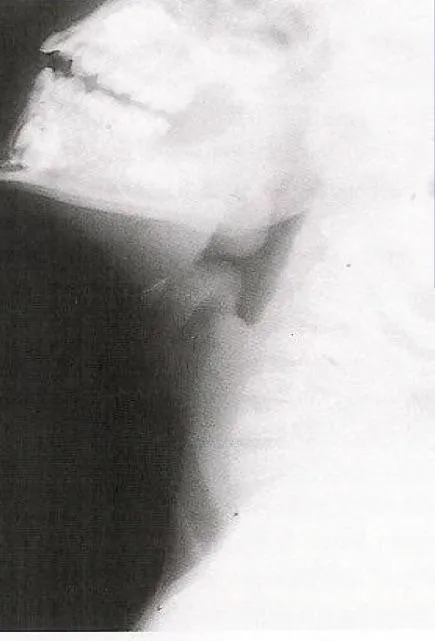
A 2-year-old unvaccinated child presented with a 6-hour history of high-grade fever, drooling, and odynophagia. The child appeared ill and irritable with inspiratory stridor. - Diagnosis: Epiglottitis. - Characteristic Sign on Neck X-ray: Thumb sign.
- : A 5-year-old child presented with fever and respiratory distress.
- Diagnosis: Acute epiglottitis.
- Management:
- Dont Examine the child in the OR.
- Intubation.
- IV antibiotics.
- Corticosteroids.
- Sign on X-ray: Thumbprint sign.

Vocal Nodules
A 34-year-old female teacher presented with a 1-year history of dysphonia and voice fatigue.
- A- What’s most likely the diagnosis?
- Vocal fold lesions secondary to vocal abuse and trauma
- B- What is the management?
- Voice therapy (voice rest), if no response surgical removal
- A- What is the diagnosis?
- Vocal Cord nodules
- B- What is the management?
- Speech therapy
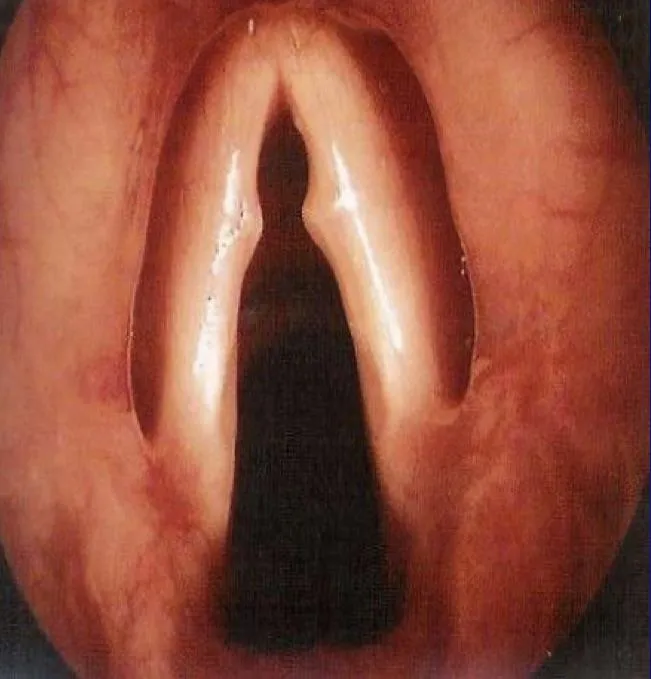
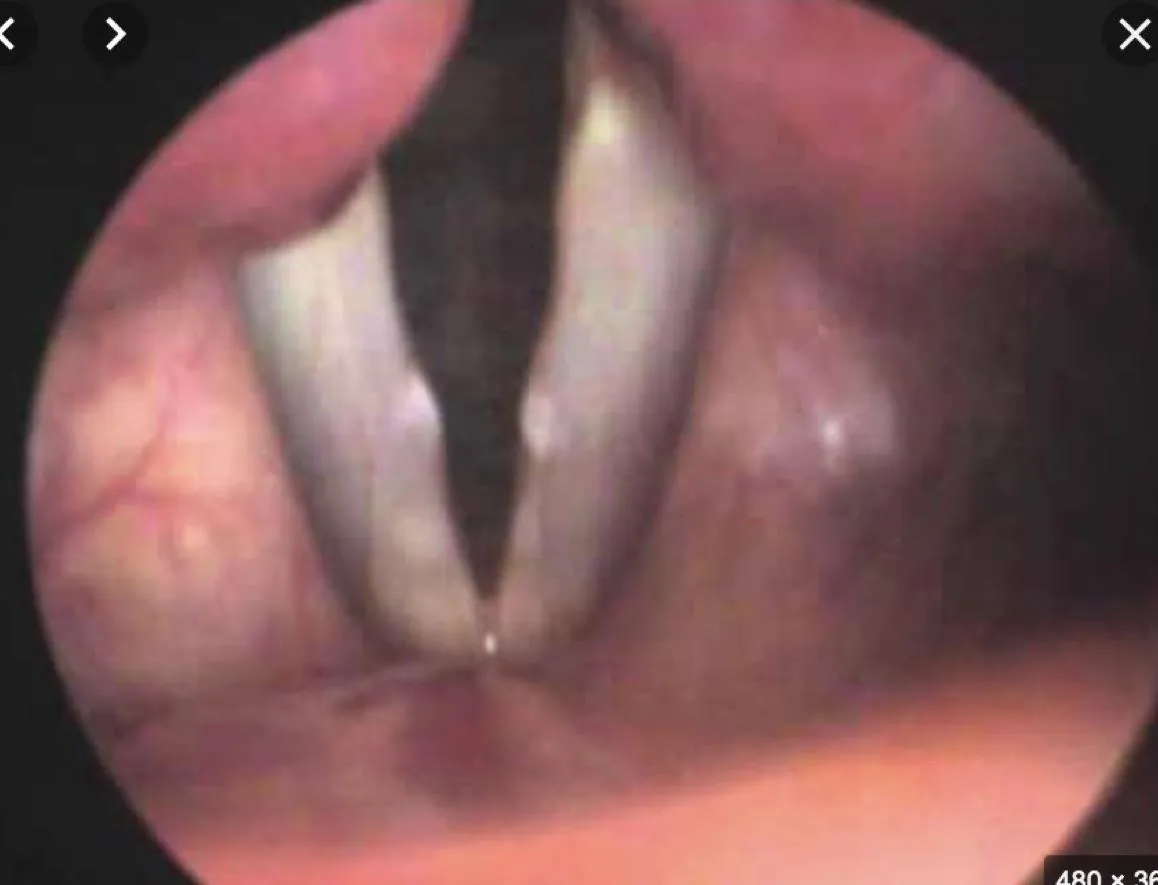
left Vocal Cord Nodule,
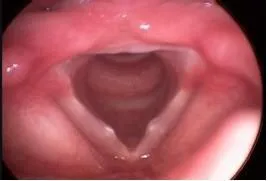 bilateral? CC
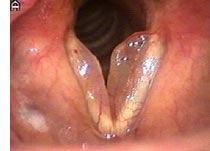
Reinke’s Edema
A 55-year-old male smoker presented with a 6-month history of hoarseness.
- Diagnosis: Reinke’s edema.
- Management: Elimination of the precipitating factor (smoking).
Risk of Malignancy:
- Yes, it’s a pre-cancerous lesion.
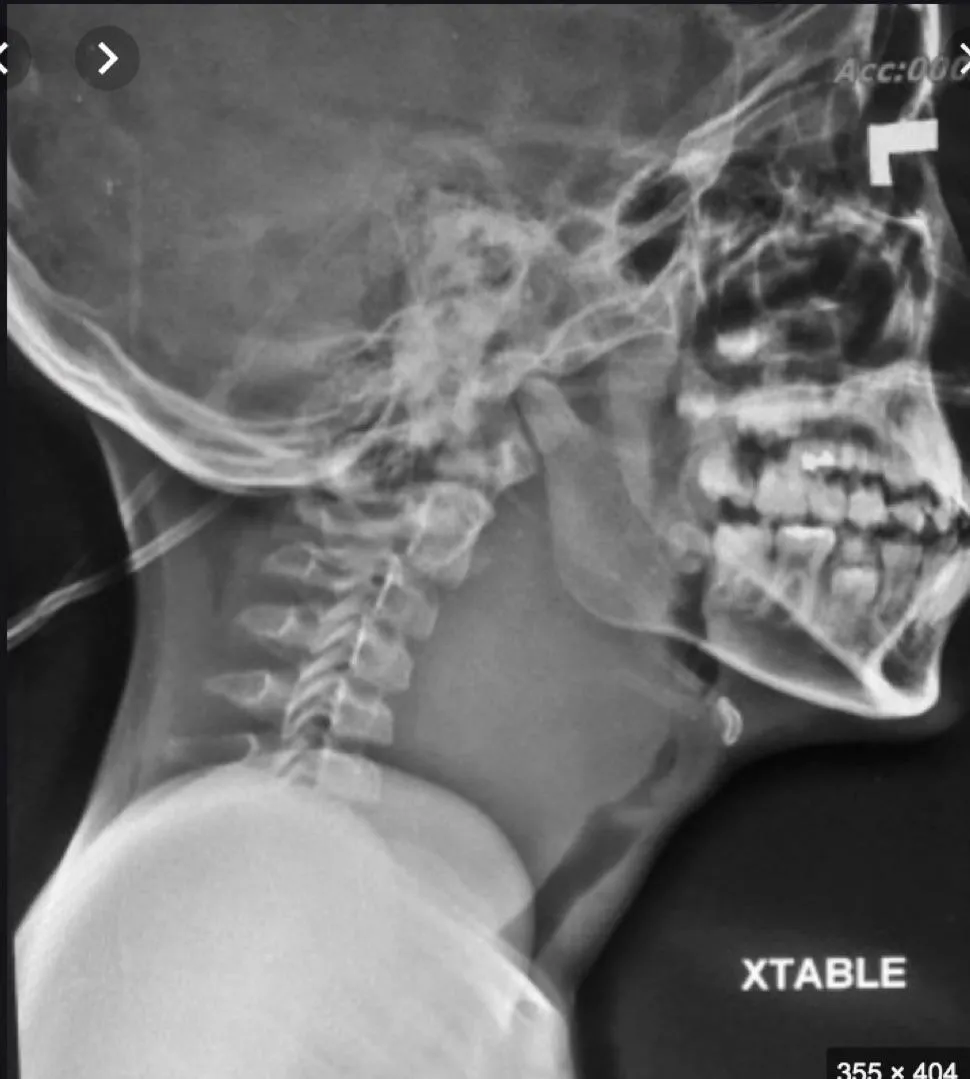
Retropharyngeal Abscess
A 12-year-old boy presented with a 1-week history of upper respiratory tract infection, followed by torticollis, odynophagia, and shortness of breath. - Diagnosis: Retropharyngeal abscess. - Management: Intraoral drainage + antibiotics.
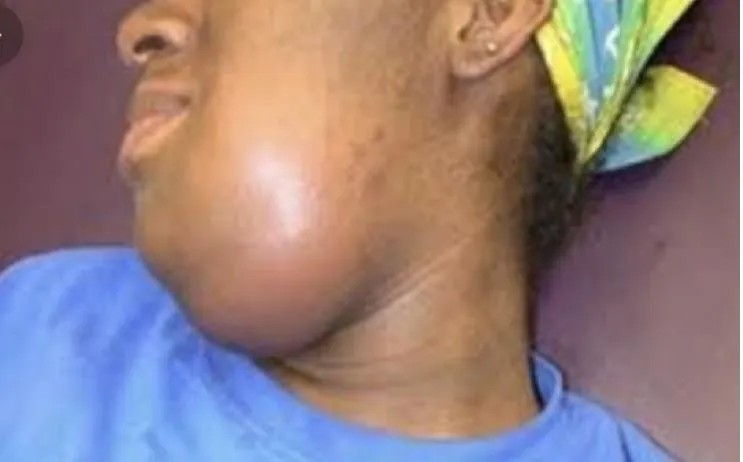
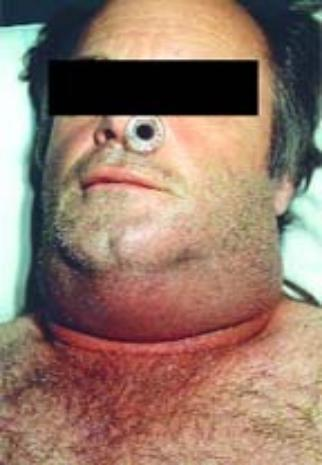
Ludwig Angina
A 33-year-old female, 2 weeks after dental abscess drainage, presented with a 2-day history of submandibular painful swelling and shortness of breath. - Diagnosis: Ludwig angina. - Management: Secure the airway (tracheostomy).
Neck Triangles
- Submandibular and Sublingual triangles.
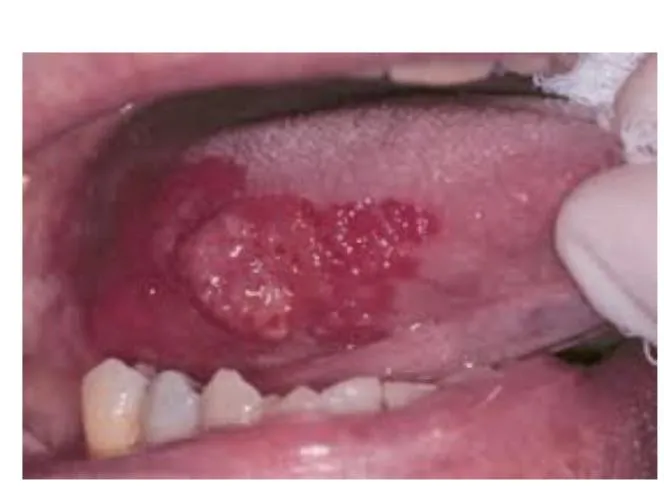
Oral Cavity Tumor
- Diagnosis: Oral cavity tumor (Erythroplasia).
- Possible Malignant Cells: Squamous cell carcinoma.
- Management: Observation, biopsy, surgical or laser excision.
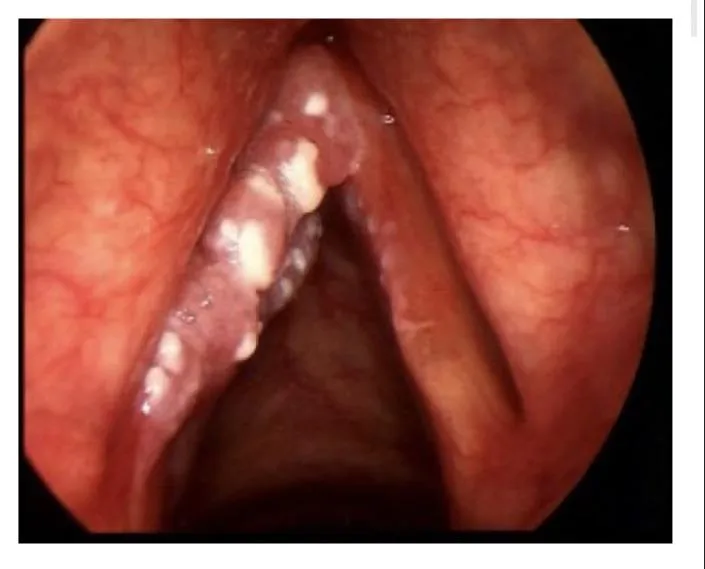
Glottic Carcinoma
A 65-year-old male presented with a 10-month history of hoarseness.
- Diagnosis: Glottic carcinoma.
- Risk Factors: Smoking, alcohol, age over 40, male.
- Management:
- CT or MRI.
- Direct laryngoscopy to get a biopsy.
- Laboratory (CBC, syphilis and sputum for TB, renal & liver function).
- Total excision and block dissection of the cervical lymph glands.
- Radiotherapy (T1-T2).
- For advanced cases: radiotherapy, cytotoxic drugs, sedatives as morphine, tracheotomy when indicated, gastrostomy for dysphagia.
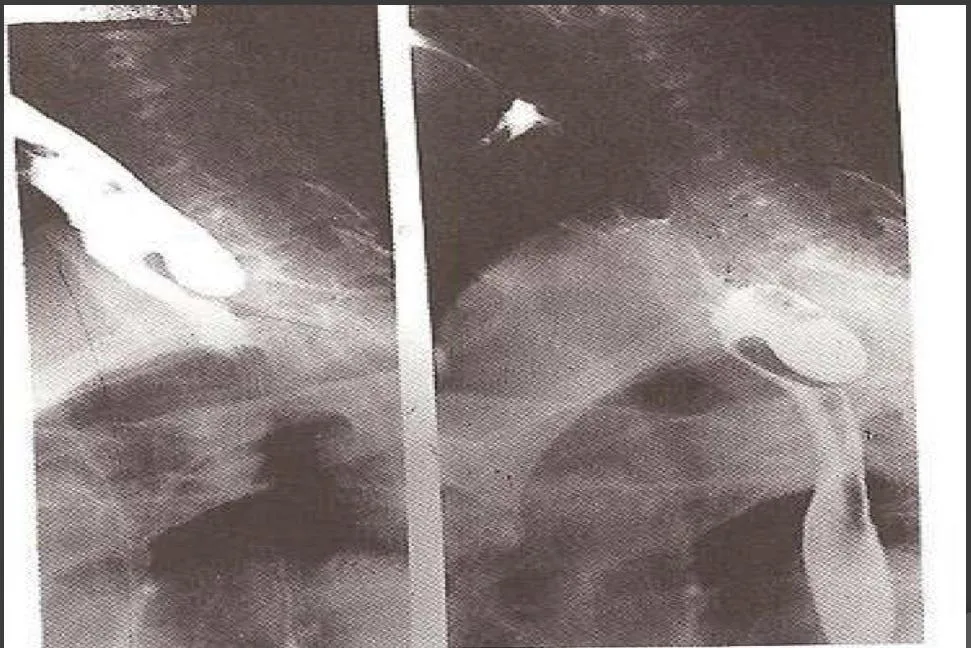
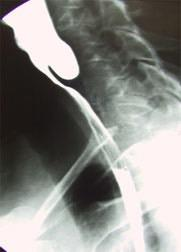
Pharyngeal Pouch or Zenker’s Diverticulum
An 80-year-old male presented with a 2-year history of dysphagia and food regurgitation. - A 62-year-old male with dysphagia, halitosis, and regurgitation of undigested food.
- Diagnosis: Pharyngeal pouch or Zenker’s diverticulum.
- Study: Barium swallow.
- Management: Cricopharyngeal myotomy, diverticulectomy.
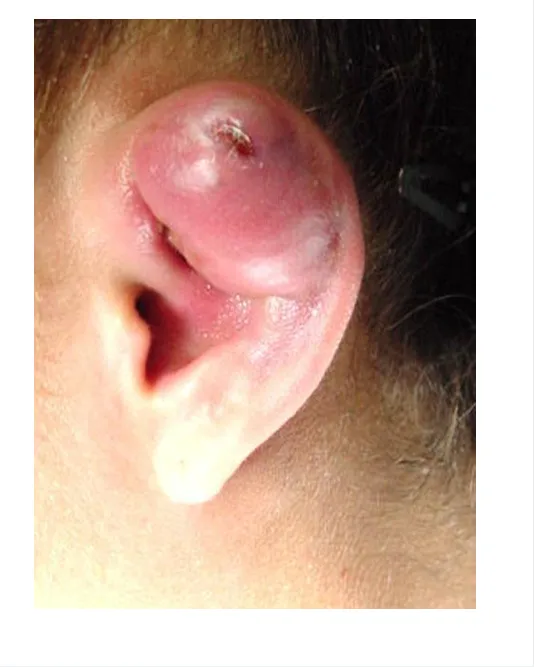
Perichondritis of the Pinna
A 28-year-old presented with left ear swelling, pain, and fever, with no history of trauma. - A 22-year-old female underwent right ear piercing one week ago and developed ear pain that is increasing in severity. Examination showed an inflamed auricle with no collection.
- Diagnosis: Perichondritis of the pinna.
- Complications if Left Undetected: Cauliflower ear, perichondritis.
- Treatment: IV APX, also oral APX according to the severity.
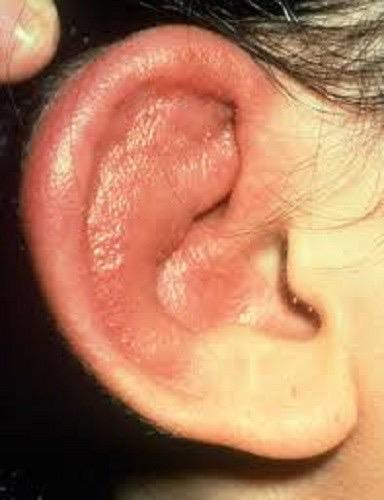
Diagnosis
- Perichondritis of the Pinna
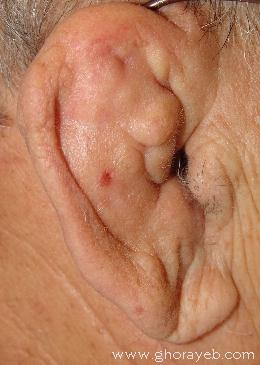
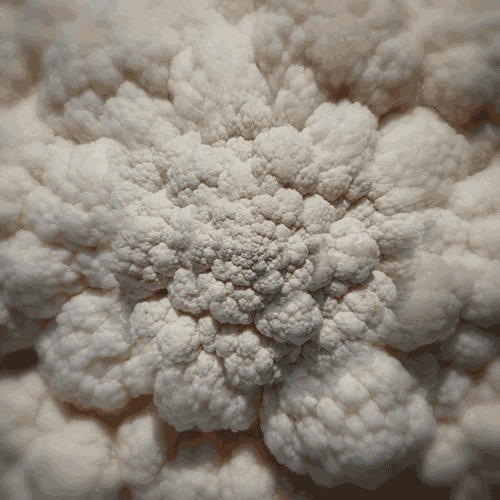
Flower
A 42-year-old male had a trauma to the ear 2 weeks prior, associated with ear swelling. The patient ignored his condition and went to the ER 5 days later due to persistent non-tender swelling. Examination showed fluctuation over the pinna with no signs of inflammation.
Deformity Name
- Cauliflower Ear is the name of the deformity
Q2: Peritonsillar Abscess
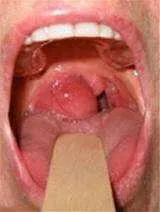
- Question: A 25 - years- old male presented with 3 days history of odynophagea and fever, patient gave history of incomplete course of antibiotics 2 weeks ago. the picture shows the finding of oral examination.
- Answer:
- B- What is the Definitive management?
- Incision and drainage
- A- What is the diagnosis?
- Right peritonsillar abscess (We must write the side affected)
- B- What is the DEFINITIVE management?
- 1. I.V Antibiotics, 2. Incision & driange, 3. Aspiration, 4. Later tonsillectomy
- 1. I.V Antibiotics, 2. Incision & driange, 3. Aspiration, 4. Later tonsillectomy
- B- What is the Definitive management?
Subglottic Stenosis
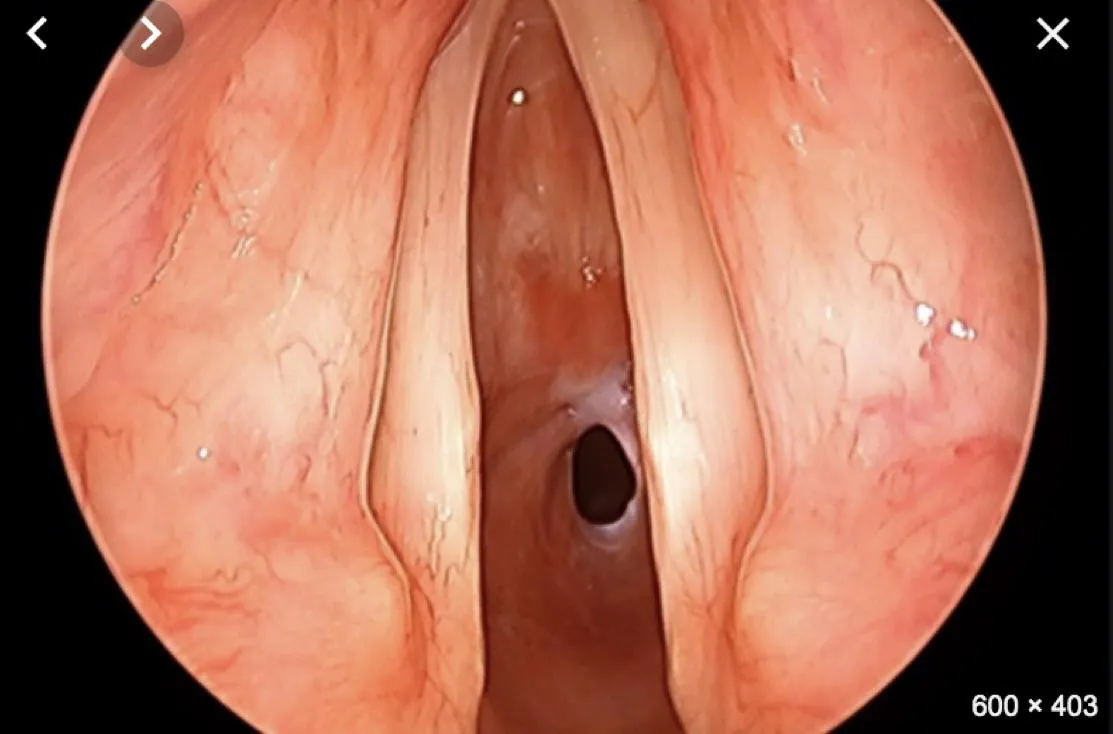
- Question: 8 months old baby post open heart surgery at age of 1 month, kept intubated for 1 week post operative referred to the clinic with stridor, underwent direct laryngobronchoscopy and the finding displayed in the picture.
- Answer:
- A- What is the diagnosis?
- Subglottic stenosis
- B- What is the type of stridor expected to be heard in this case?
- Biphasic
- Biphasic
- A- What is the diagnosis?
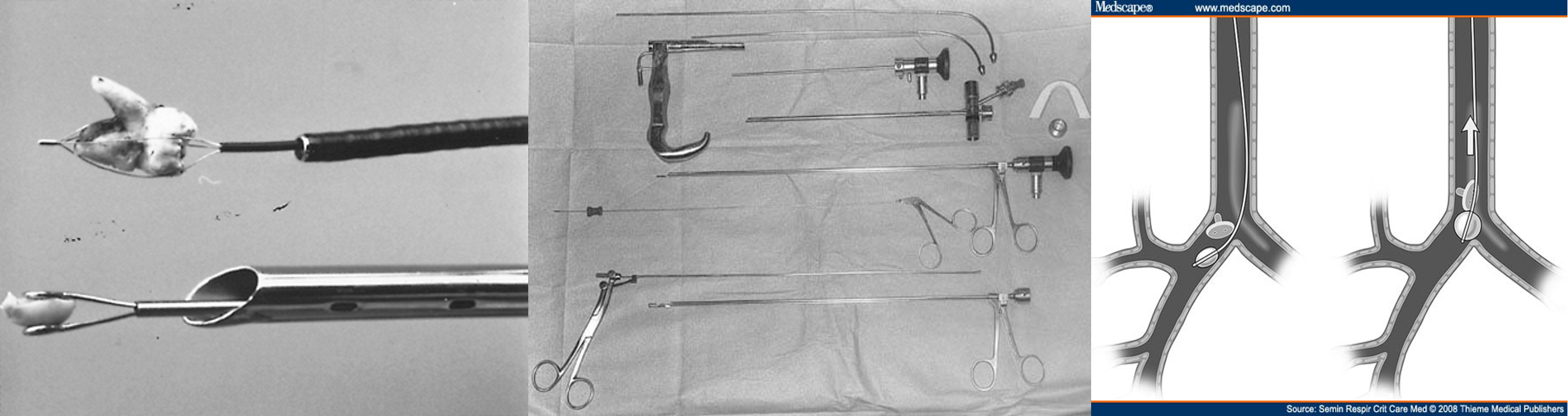
Rigid Scope/Endoscopy
- Question:
- Answer:
- A- What is the name of this examination?
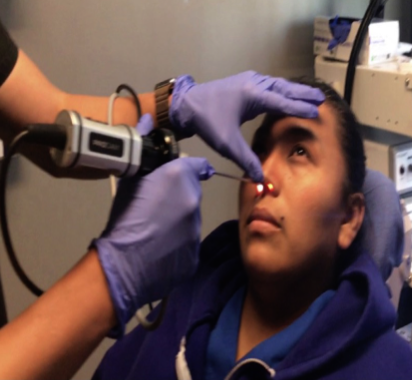
- Rigid scope / endoscopy
- B- Mention one disadvantage for this compared to the flexible scope?
- Show us only the pharynx, for using it there must be no blockage
- Show us only the pharynx, for using it there must be no blockage
- A- What is the name of this examination?
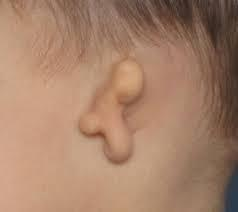
Anotia + Atresia of External Auditory Canal
- Question:
- Answer:
- A- What is the diagnosis?
- Anotia + atresia of external auditory canal
- B- What type of hearing loss he is having?
- Conductive hearing loss
- Conductive hearing loss
- A- What is the diagnosis?
Mother brought her 6-year-old child with a complaint of hearing loss.
Deformity Description
- A: Anotia, Atresia of external auditory canal.
- B: Microtia.
Type of Hearing Loss
- Conductive hearing loss is expected in such deformities.
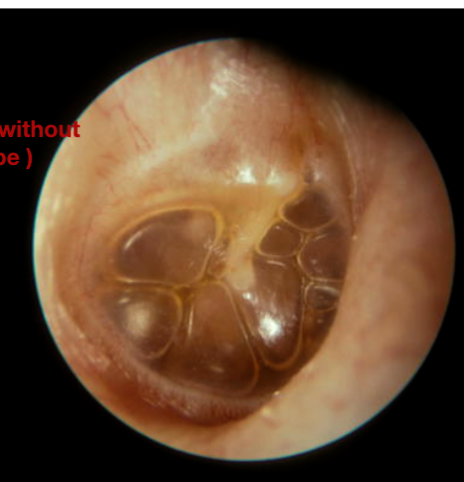
Effusion
- Answer: Serous Otitis Media (Otitis Media with Effusion)
- A- What is the treatment?
- If its bilateral observations for 3 month, if its unilateral observations for 6 mont, usually no need for treatment but if the pt complete the period without improvement we do (myringotomy + aspiration + ventilation tube)
- B- What will be the result of tympanogram?
- Type B
- Type B
- A- What is the treatment?
Congenital Cholesteatoma
- Question: 7 years old with hearing loss. No history or ear discharge or infection.
- Answer:
- A- What is the diagnosis?
- Congenital cholesteatoma
- B- What is the treatment?
- Reconstructive surgery and mastoidectomy
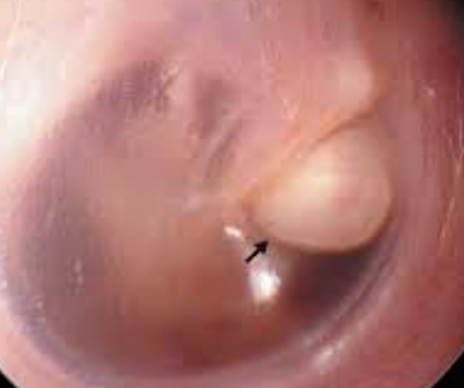
- Reconstructive surgery and mastoidectomy
- A- What is the diagnosis?
Fungal Sinusitis
- Question:
- Answer:
- A- What is the diagnosis?
- Fungal sinusitis
- B- What is the surgical treatment?
- Endoscopic sinus surgery
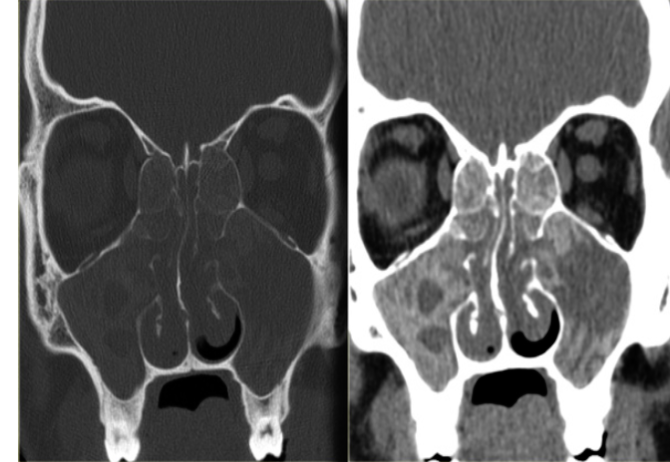
- Endoscopic sinus surgery
- A- What is the diagnosis?
QRetropharyngeal Abscess
- Question: A 6- year- old child presented with stridor, odynophagia and fever. on examination there was bulge in the posterior pharyngeal wall, lateral X-ray shown in the picture.
- Answer:
- A- What is the most likely diagnosis?
- Retropharyngeal abscess
- B- What is the best management for this condition?
- Intra oral drainage & incision, I.V antibiotics, Airway Management
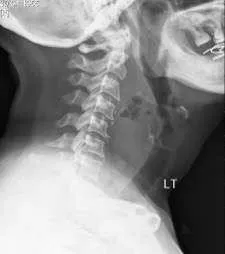
- Intra oral drainage & incision, I.V antibiotics, Airway Management
- A- What is the most likely diagnosis?
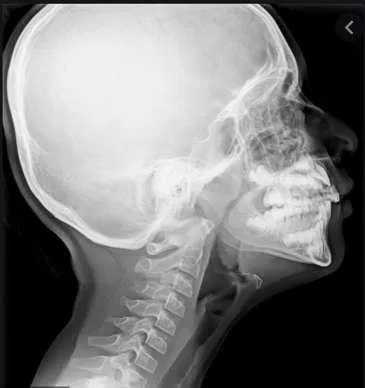
Adenoid Enlargement, ,
- Question: 3 years old came with snoring + sleep disturbance, in examination patient was mouth breather.
- Answer:
- Diagnosis?
- Severe Adenoid enlargement
- What’s the treatment?
- Conservative, Surgical: adenoidectomy
- Diagnosis?
Parapharyngeal Abscess
- Question: 25 years old male came with history of tonsillitis 2 weeks ago managed with Abx, developed 3 days history of SOB + odynophagia.
- Answer:
- Diagnosis?
- Parapharyngeal abscess
- What’s the treatment?
- External drainage (to avoid injury of internal structure), I.V antibiotics, Airway Management
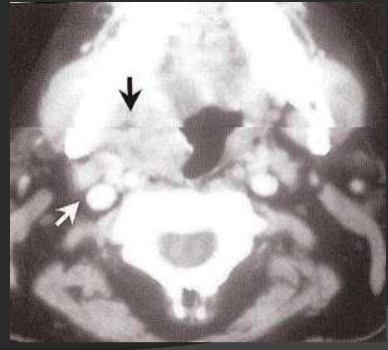
- External drainage (to avoid injury of internal structure), I.V antibiotics, Airway Management
- Diagnosis?
Ludwig angina
- Question: A 44 -years-old male presented with history of shortness of breath for 2 days. on examination patient was on distress, oral examination showed lower second molar abscess and bulge of the floor of the mouth.
- Answer:
- **A- What is the most likely
- Answer:
- A- What is the most likely diagnosis?
- Ludwig’s angina
- B- Which neck triangles are involved?
- Submandibular + sublingual
- C- What’s the treatment?
- 1. External drainage, 2. Tracheostomy (secure the airway), 3. I.V antibiotics
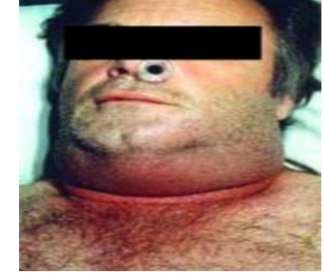
- 1. External drainage, 2. Tracheostomy (secure the airway), 3. I.V antibiotics
- A- What is the most likely diagnosis?
Zenker’s Diverticulum
- Question: A 62- year- old male with dysphagia, halitosis and regurgitation of undigested food.
- Answer:
- A-What is the name of the test?
- Barium swallow
- B-What is the diagnosis?
- pharyngeal pouch or Zenker’s Diverticulum
- C- What’s the treatment?
- Cricopharyngeal myotomy. (Botox) the issue of this is that we have to repeat the same thing after 4 months.
- Diverticulectomy (we can say surgical excision) more preferred due to less complications.
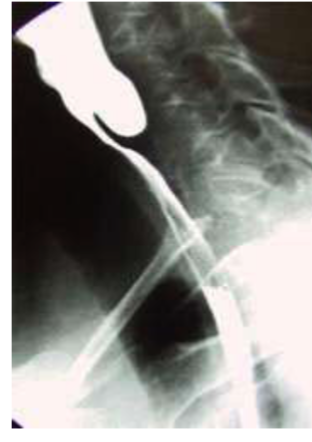
- A-What is the name of the test?
Tonsillectomy Bleeding,
- Question: 21 year old male, underwent tonsillectomy 4 days ago, came with bleeding.
- Answer:
- A- primary or secondary bleeding?
- Secondary
- B- what is your management?
- 1. Antibiotics, 2. Diathermy in case of active bleeding, 3. If bleeding stopped = observation.
- C- What’s the cause of secondary bleeding?
- infection
- A- primary or secondary bleeding?
Tracheostomy
- Question:
- Answer:
- A-What is the name the procedure?
- Tracheostomy
- B-Mention one late complication
- 1. Hemorrhage, 2. Infection, 3. Perichondritis, 4. Fisulta
- C- Mention immediate complication?
- 1. Bleeding, 2. Injury to the near structure (e.g. thyroid), 3. Pneumothorax in neonate
- A-What is the name the procedure?
Heimlich Maneuver
- Question:
- Answer:
- A- What is the name of the maneuver?
- Heimlich maneuver
- B- When to use it?
- In case of choking in adults
- C- What we do for pediatric?
- ?????? Slapping the back
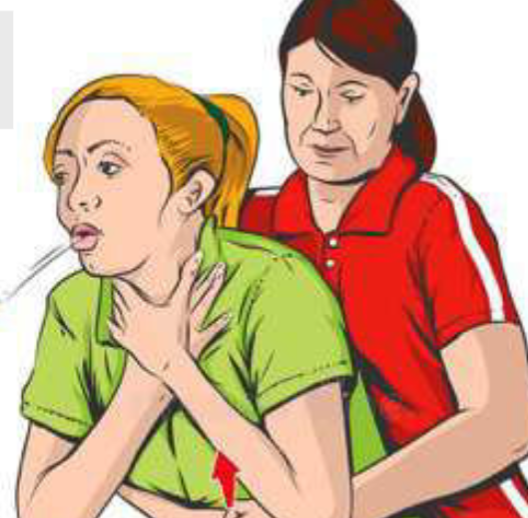
- ?????? Slapping the back
- A- What is the name of the maneuver?
Laryngocele,
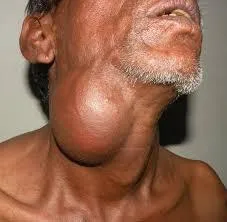
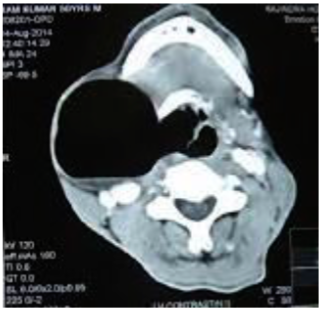
- Question: A 55- years- glass blower presented with right neck mass that increase with blowing, on examination theres cystic mass, non tender with normal skin overlying it.
- Answer:
- A- what is the diagnosis?
- Laryngocele
- B- what is the management?
- marsupialization -surgical excision -
- marsupialization -surgical excision -
- A- what is the diagnosis?
Laryngeal Web
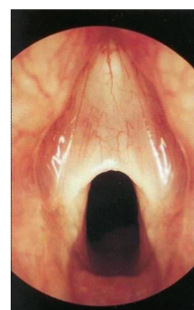
- Question: A 2 -month- old baby brought to the clinic by his parent with history of weak cry since birth and stridor, there was no chocking. on examination scope was performed and the finding is displayed in the picture.
- Answer:
- A- what is the diagnosis?
- laryngeal web
- B- what is the management?
- laser excision and stent
- laser excision and stent
- A- what is the diagnosis?
Q40: Subglottic Stenosis, Vocal Cord Cyst
-
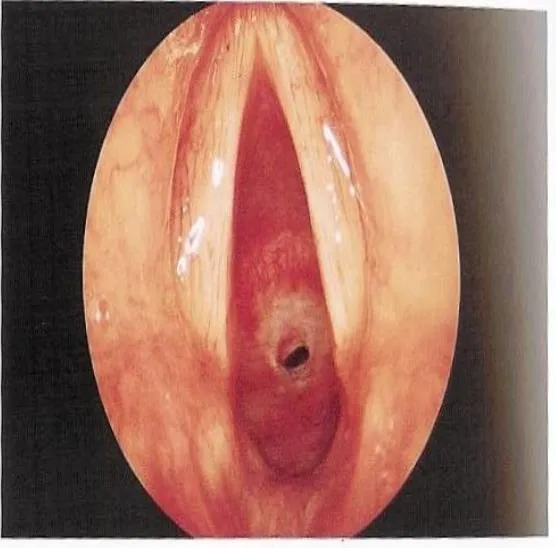
Question: An 18 -months- old child brought to the ER with history of continuous stridor and difficulties during sleeping.
-
Answer:
- A- What is the diagnosis based on the telescopic picture?
- Subglottic stenosis
- B- What is the grade?
- Grade 3
- Grade 3
- A- What is the diagnosis based on the telescopic picture?
-
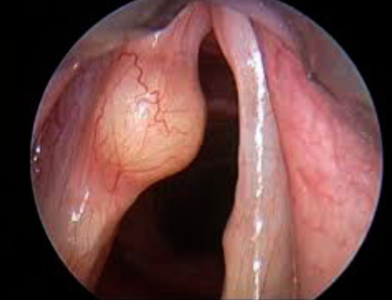
Question: A 33- year-old male presented with 6 months history pf breathy voice and voice fatigue, endoscopic picture showed below.
-
Answer:
- A- What is the diagnosis?
- vocal cord cyst
- B- What is the definitive management ?
- surgical excision
- surgical excision
- A- What is the diagnosis?
Temporal Bone Fractures
Motor Cycle Accident Victims
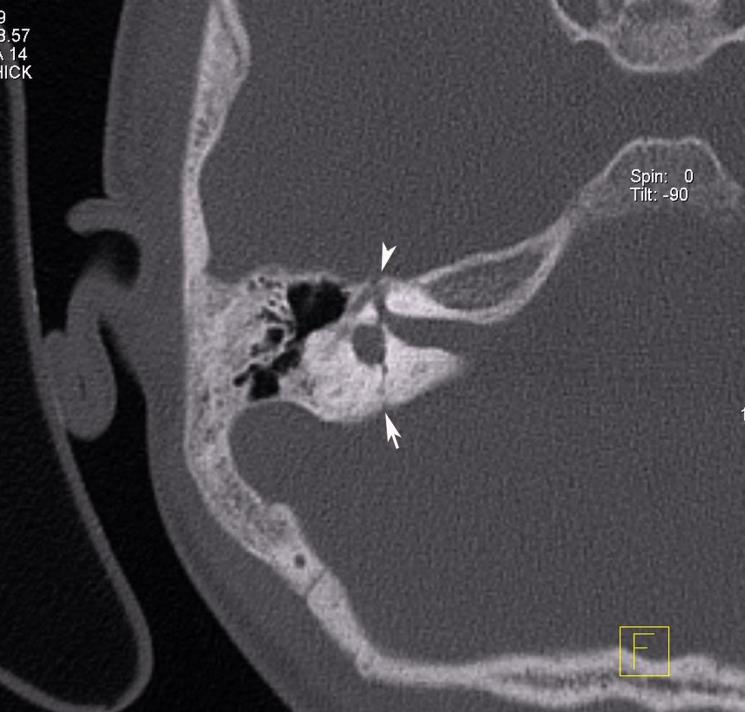
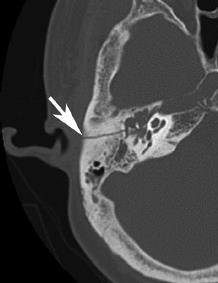
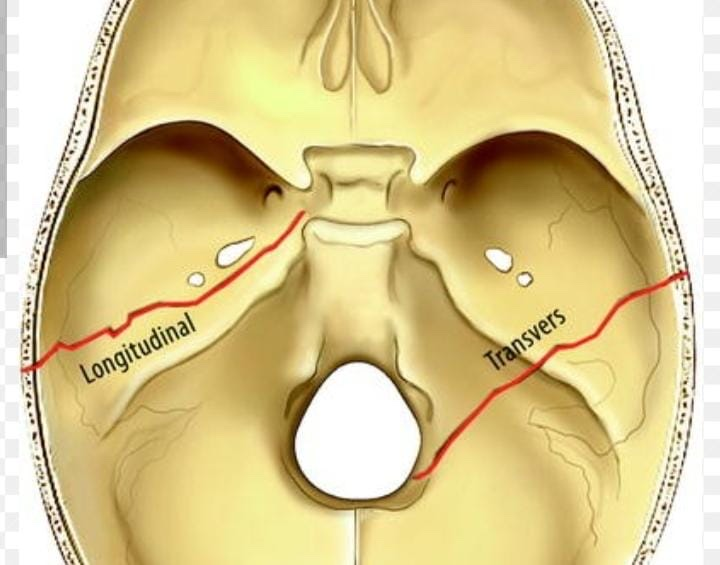
Two victims of motor cycle accidents were brought to the ER. After stabilization, both were sent for CT scans. Temporal Bone Fractures
Findings in CT Scans
- A: Transverse Fracture.
- B: Longitudinal Fracture.
Post-Trauma Nasal
Introduction
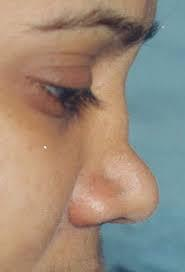
A 33-year-old female post-trauma to the nose one week ago presented with high-grade fever and bilateral nasal obstruction. Examination showed a bulge in the septum with inflamed friable mucosa.
Diagnosis
- Septal hematoma.
Deformity
- Saddle nose is a consequence of delayed management.
Sudden Facial Weakness
Introduction
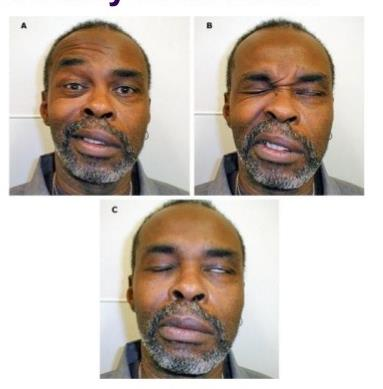
A 50-year-old male presented with sudden facial weakness with no other symptoms.
Affected Side
- Left side.
Type of Lesion
- LMNL (Lower Motor Neuron Lesion).
Cerebral Abscess
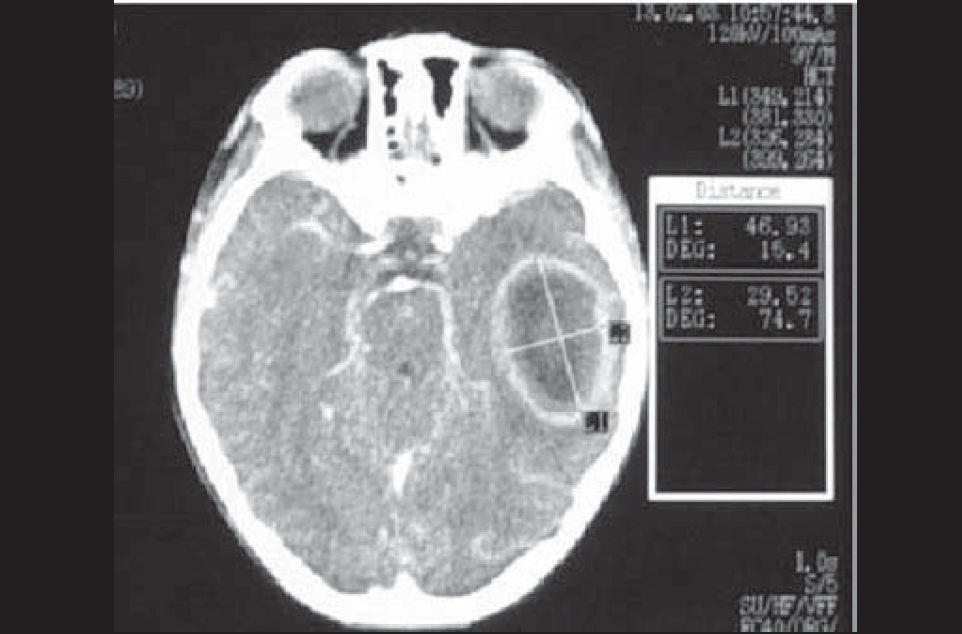
A 2-year-old child with vomiting, fever, and change in level of consciousness. The child had a visit to ER 2 weeks ago for acute otitis media but the mother didn’t give the medication.
CT Scan Finding
- Cerebral Abscess.
Usual Location
- Temporal lobe.
Eye Swelling and Sinusitis
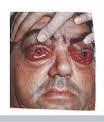
A 44-year-old male with fever, nasal congestion, facial pain, and unilateral eye swelling that progressed to involve the other eye.
Diagnosis
- Cavernous Sinus Thrombophlebitis.
Consequence
- Acute bacterial sinusitis.
Acute Otitis Media
Pediatric Ear Infection
A 9-month-old baby with fever, irritability, and pulling out his right ear. The child was given oral antibiotics without improvement. Examination showed a congested and bulged right tympanic membrane.
Diagnosis
- Acute Otitis Media.
Management
- Myringotomy + VT + APX.
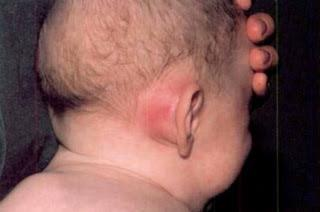
Nasal Deviation Post-Trauma
A 22-year-old male with trauma to the nose and bleeding that stopped spontaneously. The nose was tender and edematous. During follow-up, the nose was deviated externally.
Management at Presentation
- Nasal bone reduction.
Management After 4 Months
- Wait 2 months and do Rhinoplasty.
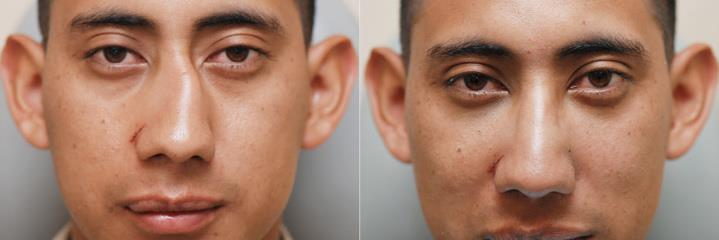
Nasal Bleeding
Introduction
A 12-year-old child presented with right nasal bleeding that failed to be controlled at home.
Next Step in Management
- Secure AW (Set forward), Call OR to control bleeding.
Common Area for Epistaxis
- Little Area.
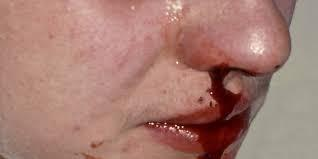
Nasal Septum Deviation
Post-Traumatic Nasal Obstruction
Introduction
A 32-year-old male presented with a 2-year history of left nasal obstruction after nasal trauma, not responding to nasal corticosteroids.
Diagnosis
- Displacement of Nasal Septum due to trauma.
Management
- Do Septoplasty.
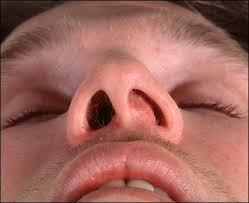
Clear Rhinorrhea Post-Trauma
Introduction
A 45-year-old female presented with clear rhinorrhea, a history of head trauma, fever, photophobia, and headache. Examination showed neck rigidity and positive Brudzinski’s sign.
Sign
- Halo Sign.
Complication
- Meningitis, Tention Pneumocephalus, Brain Abscess.
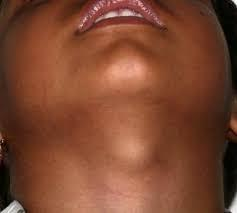
Midline Neck Swelling
A 6-year-old boy with a 3-month history of a midline swelling that increases with upper respiratory tract infection and improves with antibiotics. The swelling moves with swallowing and tongue protrusion.
Diagnosis
- Thyroglossal Cyst.
Surgical Operation
- Sistrunk Operation.