The Red Face
Dr Sami Aldaham
- YEASTS - Seborrheic dermatitis
- Rosacea - SYSTEMIC LUPUS ERYTHEMATOSUS (SLE)
- Atopic Dermatitis
- Allergic Contact Dermatitis (ACD)
- Acne vulgaris
Summary of the red face: likely causes by age
Red rashes on the face are common throughout life, but the causes differ by age
- In infants, atopic dermatitis is more likely
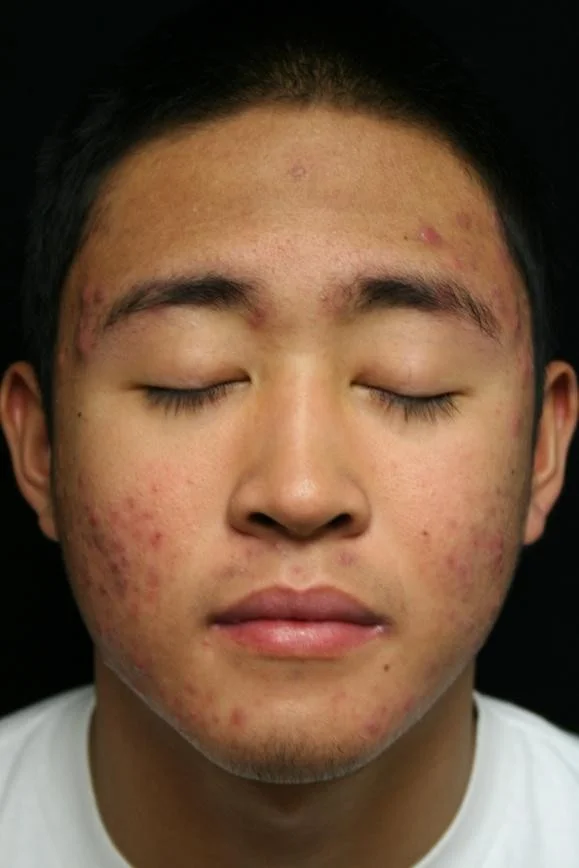
- In adolescents, acne vulgaris is very common
- Acne rosacea presents in the 30s-40s
- Seborrheic dermatitis occurs at any age
Summary of the red face: clues in the history
- Itch precedes onset: Allergic contact dermatitis, Atopic dermatitis
- Greasy scale and redness: Seborrheic dermatitis
- Tender papules: Acne vulgaris, Rosacea
- Worse with exercise, heat, hot foods, alcohol: Rosacea
Summary of the red face: clues by location
- Eyebrows, nasal creases, external auditory canals
- Seborrheic dermatitis
- Cheeks and chin:
- Acne vulgaris, acne rosacea, atopic dermatitis
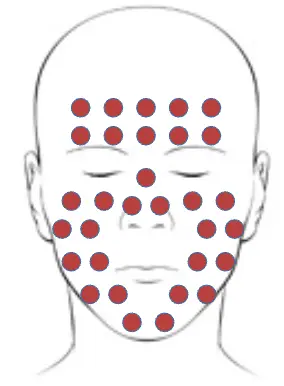
- Nose
- Involved in acne vulgaris, acne rosacea
- Spared in atopic dermatitis
Location
- Seborrheic dermatitis
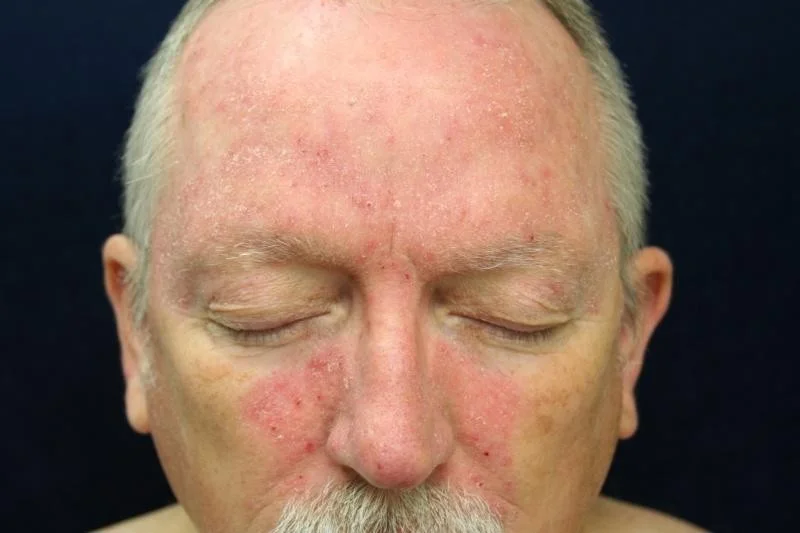
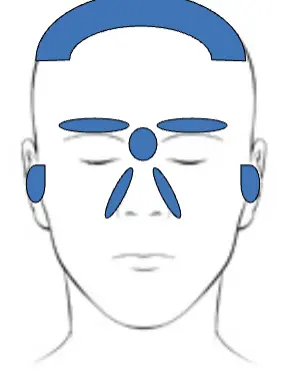
- Acne rosacea
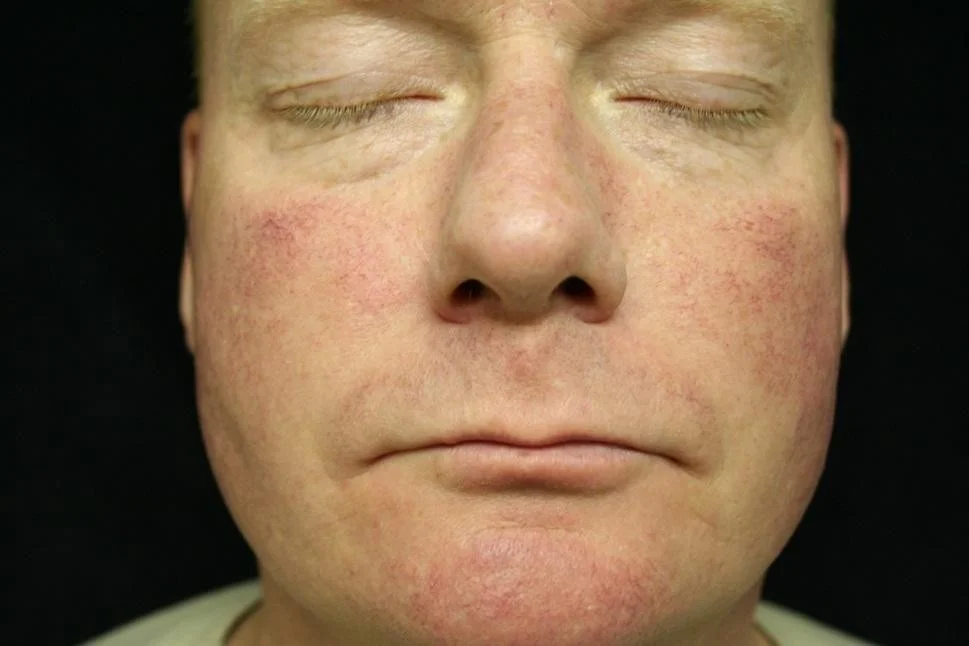
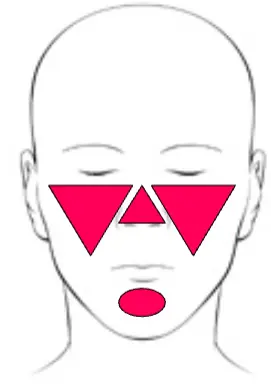
- Atopic dermatitis (infants)
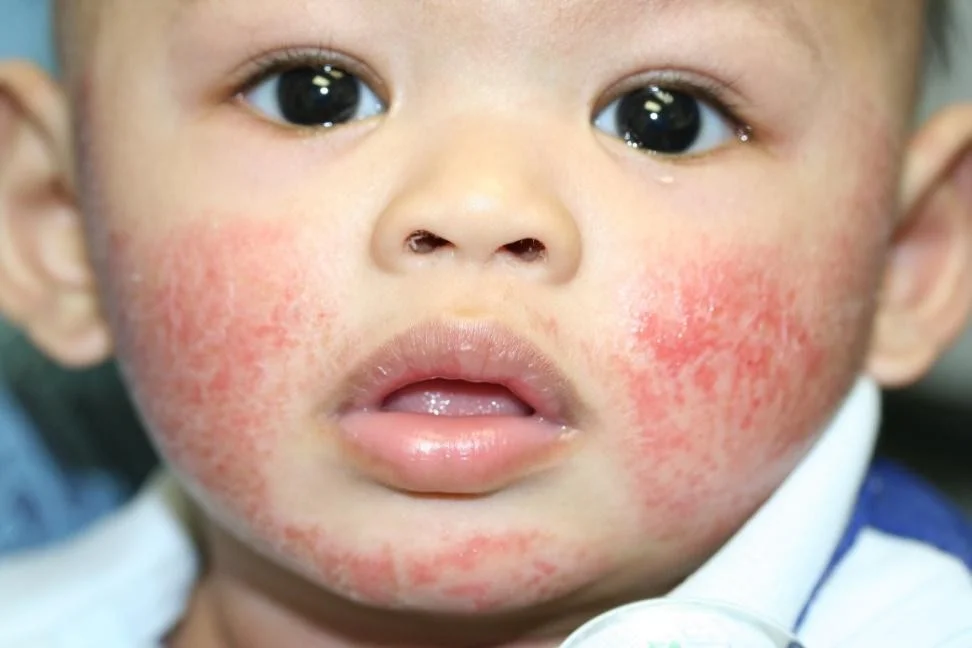
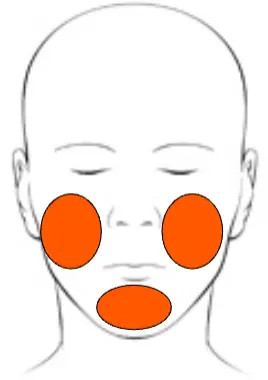
- Acne vulgaris
Take Home Points
-
Location, history, and age help differentiate red rashes on the face
-
Seborrheic dermatitis is common and chronic
- Ask about and inspect key locations: external auditory canals, eyebrows, scalp, behind ears, central chest
- Treatment with ketoconazole cream or dandruff shampoos or low-potency steroid like desonide cream for flares
-
Heat, exercise, hot liquids, spicy foods, and alcohol, are triggers for acne rosacea
-
Atopic dermatitis in infants often involves the face
-
Allergic contact dermatitis itches and mirrors the source of exposure
-
Acne vulgaris typically arises in puberty; see acne module for detailed management recommendations
-
Butterfly rash of connective tissue disease is most frequently seen in flares of SLE and often has other manifestations of lupus at that time